Left
Half
Left

Analyses Spéciales

L´AWID est une organisation féministe mondiale qui consacre ses efforts à la justice de genre, au développement durable et aux droits humains des femmes

La mémoire comme forme de résistance : un hommage

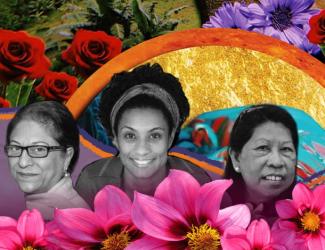
L’hommage se présente sous forme d’une exposition de portraits d’activistes du monde entier qui ne sont plus parmi nous qui ont lutté pour les droits des femmes et la justice sociale. 


En 2020, nous adoptons une démarche légèrement différente 

Cette année, tout en continuant à convoquer la mémoire de celleux qui ne sont plus parmi nous, nous souhaitons célébrer leur héritage et souligner les manières par lesquelles leur travail continue à avoir un impact sur nos réalités vécues aujourd’hui.

49 nouveaux portraits de féministes et de défenseur·e·s viennent compléter la gallerie. Bien que de nombreuses des personnes que nous honorons dans cet hommage sont décédé·e·s du fait de leur âge ou de la maladie, beaucoup trop d’entre iels ont été tué·e·s à cause de leur travail et de qui iels étaient.

Les histoires des activistes à l'honneur dans cet Hommage font vivre leur héritage et continuent d'inspirer le travail et l’action de nos mouvements.

Visiter notre exposition virtuelle

Les portraits de l'édition 2020 ont été illustrés par Louisa Bertman, artiste et animatrice qui a reçu plusieurs prix.

L’AWID tient à remercier nos membres, les familles, les organisations et les partenaires qui ont contribué à cette commémoration. Nous nous engageons auprès d’elleux à poursuivre le travail remarquable de ces féministes et défenseur·e·s et nous ne ménagerons aucun effort pour que justice soit faite dans les cas qui demeurent impunis.

« Ils ont essayé de nous enterrer. Ils ne savaient pas que nous étions des graines » - Proverbe mexicain

L'Hommage a été inauguré en 2012

Le premier hommage aux défenseur-e-s des droits humains a pris la forme d’une exposition de portraits et de biographies de féministes et d’activistes disparu·e·s lors du 12e Forum international de l’AWID en Turquie. Il se présente maintenant comme une gallerie en ligne, mise à jour chaque année.

Depuis, 467 féministes et défenseur-e-s des droits humains ont été mis·es à l'honneur.

Visiter notre exposition virtuelle

Contenu lié

Astitva Trust defends the rights of sexual minorities groups

Astitva Trust defends the rights of sexual minorities groups

In April 2014, the Astitva Trust along with its President Laxmi Narayan Tripathi, a prominent transgender rights activist, petitioned in support of an Indian Supreme Court judgement that would recognize a third gender. It was a landmark ruling, the Court granting all constitutional rights to transgender persons. "It is the right of every human being to choose their gender,” the Court stated.


Yet even though legally transgenders are equal citizens, they still face extreme discrimination in mainstream society. The Astitva Trust, a community-based organisation of sexual minorities (mainly hijras[1]), aims to eradicate stigma and discrimination of LGBTQ* and especially the transgender community. The organisation works with sexual minority groups, campaigning for their rights, promoting their health and general well-being, helping to improve their living standards and quality of life.
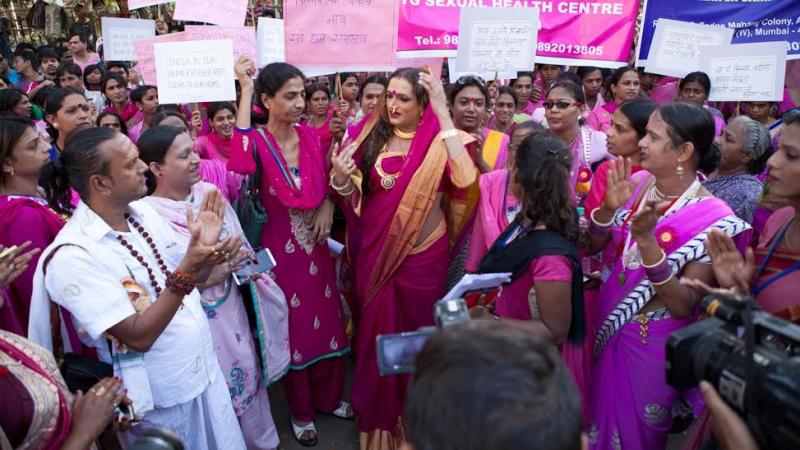
Some of the objectives of the Trust include raising awareness and increasing knowledge of HIV and AIDS and other sexually transmitted infections among sexual minorities; promoting safer sex; and increasing access to community friendly sexual health services. Astitva has so far registered 4652 transgender persons and has networked with 56 transgender organisations in India, providing support in numerous areas.

The organisation is a co-founder and part of the governing board of the Integrated Network for Sexual Minorities, a founder and working group member of Maharashtra Transgender Welfare Board, and a member of both the Asia - Pacific Transgender Network and the Asia Pacific Network of Sex Workers.

In April 2015, Astitva (along with Member of Parliament Trichy Shiva) pushed for a historical unanimous passing of the Rights of Transgender Persons Bill in Rajya Sabha,[2] calling for equal rights of transgender people. Next step is to have it passed in Lok Sabha[3] so the Bill can become law.


Listen to Laxmi Narayan Tripathi TEDx Talk


[1] Hijra is a term used particularly in India to refer to a transgender individual
[2] Upper House of Parliament of India
[3] Lower House of Parliament of India
Region
Asia
South Asia
Source
AWID