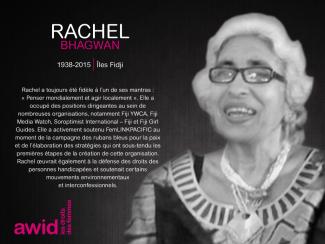
Rachel Bhagwan
Au cours des dernières années, nous avons observé une nouvelle tendance inquiétante dans les espaces internationaux consacrés aux droits humains. Les discours axés sur « la protection de la famille » sont en effet utilisés pour défendre des violations des droits de membres de la famille, pour renforcer et justifier l’impunité des auteurs de ces violations et pour restreindre l’égalité des droits au niveau de la vie familiale.
La campagne en faveur de la « Protection de la famille » est motivée par une volonté conservatrice d’imposer des conceptions « traditionnelles » et patriarcales de la famille et de priver les membres de la famille de leurs droits pour les transférer à « l’institution familiale ».
Depuis 2014, un groupe d’Etats travaille de front dans les espaces dédiés aux droits humains sous le nom de « Group of Friends of the Family » (Groupe des ami-e-s de la famille) ; des résolutions sur la « Protection de la famille » ont été adoptées chaque année depuis 2014.
Ce programme s’est propagé au-delà du Conseil des droits humains. Nous avons observé l’introduction d’un discours régressif autour de la « famille » à la Commission sur la condition de la femme, ainsi que des tentatives d’introduction dans les négociations sur les Objectifs de développement durable.
L’AWID travaille avec des partenaires et des allié-e-s pour s’opposer ensemble à la « Protection de la famille » et à d’autres programmes régressifs et défendre l’universalité des droits humains.
En réponse à l’influence croissante d’acteurs régressifs au sein des espaces dédiés aux droits humains, l’AWID a rejoint des allié-e-s afin de créer l’Observatoire sur l'Universalité des droits (OURs) (site en anglais). L’OURs est un projet de collaboration qui surveille, analyse et diffuse les informations concernant les initiatives anti-droits telles que la « Protection de la famille ».
Le premier rapport de l’OURs, Nos droits en danger, trace une cartographie des acteurs et actrices qui constituent le lobby mondial anti-droits et identifie leur réthorique et stratégies clés ainsi que leur impact sur les droits humains.
Le rapport précise que le programme de « Protection de la famille » a développé une collaboration entre un large éventail d’acteurs régressifs aux Nations Unies, qu’il décrit comme « un cadre stratégique abritant des positions anti-droits et patriarcales multiples, où le cadre vise entre autres à légitimer et institutionnaliser ces positions. »
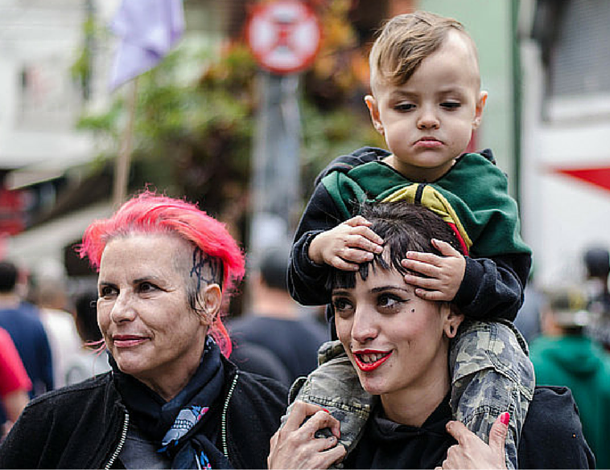
In this selection of films you will find the voices of filmmakers who are not content with simply recording the feminist realities that palpitate in every corner of this vast and diverse territory. These are works that from their very conceptualization are questioning for what, by whom, and how films and videos are made. They understand film to be an instrument of struggle, something more than images to be enjoyed on a screen. These are individual or collective filmmakers who see film and video making as an instrument to promote discussion, open a debate, and thus serve as a resource for popular and feminist pedagogies.
Nuestro poder colectivo, nuestra sabiduría y nuestro compromiso no tienen límites. Pero nuestras cuentas bancarias sí.
Las instantáneas de datos están basadas en las respuestas de 1.174 organizaciones feministas, por los derechos de las mujeres, LGBTQI+ y aliadas (en adelante «organizaciones feministas y por los derechos de las mujeres») de 128 países a ¿Dónde está el dinero para las organizaciones feministas?la encuestade AWID. Estas instantáneas reflejan experiencias de 2021 a 2023, analizadas en el contexto de las tendencias de desfinanciamiento que se han verificado en 2024 y 2025.
Aquí encontrarás lo que necesitas saber sobre el estado actual de la movilización de recursos para las organizaciones feministas.
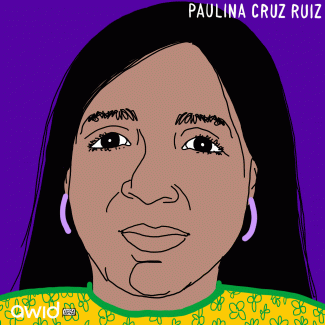
Paulina Cruz Ruiz, from the Rabinal, Baja Verapaz region of Guatemala, was an ancestral Maya Achí (Indigenous) authority and a human rights defender.
She was actively involved in community organizing and resistance, including legal measures against mining projects on Indigenous territory, projects that would severely affect and damage the socio-environmental fabric.
“The extractive industry model promoted by the Guatemalan government and the construction of large-scale development projects on indigenous lands without community consent has been a source of ongoing disputes with resistance movements.” - Minority Rights Group International
Paulina was also part of the March for Dignity, Life and Justice, in which on 1 May 2019 thousands of Guatemalans started a march of eight days against corruption and impunity in the prosecution and assassinations of human rights, peasant and Indigenous leaders and land defenders.
Paulina was murdered on 14 September 2019 near her home in the village of Xococ.
According to the Minority Rights Group International, “one of the major ongoing issues affecting Mayan communities is the increasing activity of the mining industry.”
Read more about the Mayans of Guatemala
Read more about the March for Dignity, Life and Justice
Check Out our Super Short Guide To Organising Global Feminist Festivals And Online Events!
Conférence internationale de suivi sur le financement du développement, Doha, Qatar
Donde les organizadores de la primera línea de defensa conducen y las corporaciones rinden cuentas.
📅 Martes 11 de noviembre de 2025
📍 En línea y en la Universidade Federal do Pará, Belém
Ven a conocer las economías feministas que AMAMOS.
Cuando hablamos de economía, hablamos de cómo organizamos nuestras sociedades, nuestros hogares y lugares de trabajo. ¿Cómo vivimos juntxs? ¿Cómo producimos alimentos, organizamos los cuidados y aseguramos nuestra salud? La economía también se trata de cómo accedemos y gestionamos recursos, cómo nos relacionamos con otras personas, con nosotrxs mismxs y con la Naturaleza.
Lxs feministas han estado construyendo alternativas económicas a los sistemas capitalistas explotadores durante siglos. Estas alternativas existen en el aquí y el ahora, y son los pilares de los mundos más justos y más sostenibles que necesitamos y merecemos.
Nos emociona compartir contigo una muestra de alternativas económicas feministas, con colectivos inspiradores de todo el mundo.
Launch of the Intergovernmental preparatory process for the 3rd Financing for Development Conference, October 2014
Sesiones adicionales para redactar el Documento Final de Adís Abeba
Para saber más sobre este proceso, puedes consultar la CSO Hitchhiker’s Guide (en inglés).
Dénoncer l’emprise des multinationales. Comprendre les fausses solutions. Construire des alternatives. Tout ce qu’il vous faut pour mener votre propre campagne « À qui appartient vraiment la COP ? ».
 |
 |
 |
 |
 |
 |
 |
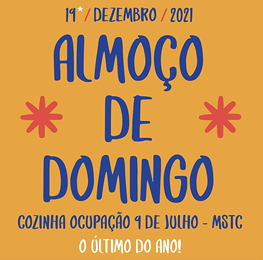 |
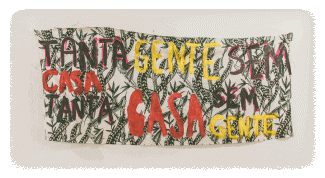
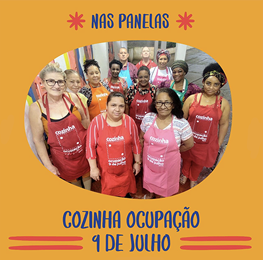
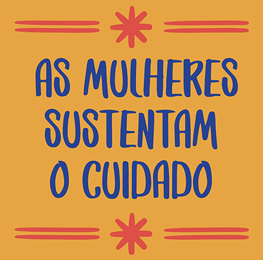
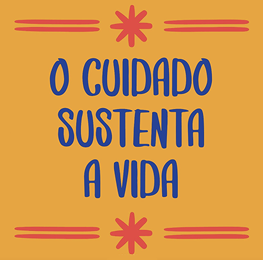
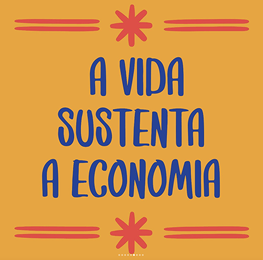
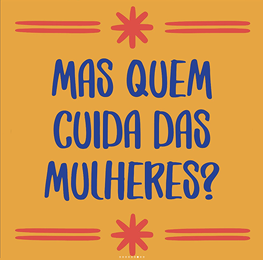
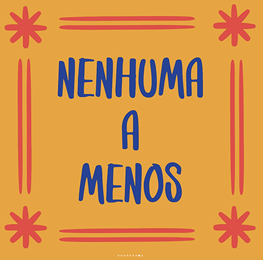
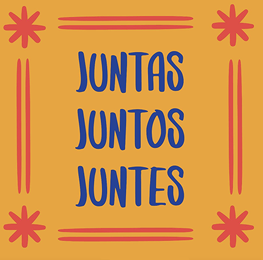
Women sustain Care | Care Sustains Life | Life Sustains Economy | Who takes care of women? | Not one less1 | Together | Sunday lunch
1Nenhuna a menos literally translates as “not one woman less” or “ni una menos” in Spanish - a famous feminist slogan in Latin America that emerged in Argentina as a response to increasing gender-based violence.
‘A geopolitical Analysis of Financing for Development’ by Regions Refocus 2015 and Third World Network (TWN) with DAWN.
The Zero Draft Language Map, by Regions Refocus
‘Addis Ababa financing conference: Will the means undermine the goals?‘ by RightingFinance
The in-focus section features the pressing issues affecting women, girls and transgender people around the world, and shines a spotlight on the critical work being carried out by women's rights movements.
AWID and Mama Cash are advisory partners who offer ideas to the Guardian editorial team and help link the Guardian team with diverse women’s rights advocates, organizations and movements around the world.
With the Guardian’s global reach of over 82 million unique browsers a month and its position of influence with policy makers, AWID and Mama Cash see this partnership as an important opportunity to:
If you would like to share suggestions for women’s rights issues, strategies, process or events that you would like to see covered by the in-focus section, you can pitch your ideas here. All suggestions collected through this online form will be shared directly with the Guardian editorial team.The Guardian is solely responsible for all journalistic output and all editorial content is strictly independent.
If you have questions about this project, email: contact@awid.org and/or hello@mamacash.org.