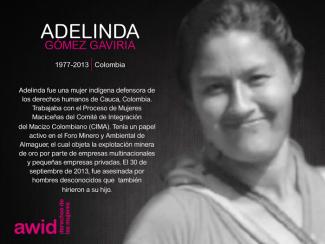
Adelinda Gomez
Au cours des dernières années, nous avons observé une nouvelle tendance inquiétante dans les espaces internationaux consacrés aux droits humains. Les discours axés sur « la protection de la famille » sont en effet utilisés pour défendre des violations des droits de membres de la famille, pour renforcer et justifier l’impunité des auteurs de ces violations et pour restreindre l’égalité des droits au niveau de la vie familiale.
La campagne en faveur de la « Protection de la famille » est motivée par une volonté conservatrice d’imposer des conceptions « traditionnelles » et patriarcales de la famille et de priver les membres de la famille de leurs droits pour les transférer à « l’institution familiale ».
Depuis 2014, un groupe d’Etats travaille de front dans les espaces dédiés aux droits humains sous le nom de « Group of Friends of the Family » (Groupe des ami-e-s de la famille) ; des résolutions sur la « Protection de la famille » ont été adoptées chaque année depuis 2014.
Ce programme s’est propagé au-delà du Conseil des droits humains. Nous avons observé l’introduction d’un discours régressif autour de la « famille » à la Commission sur la condition de la femme, ainsi que des tentatives d’introduction dans les négociations sur les Objectifs de développement durable.
L’AWID travaille avec des partenaires et des allié-e-s pour s’opposer ensemble à la « Protection de la famille » et à d’autres programmes régressifs et défendre l’universalité des droits humains.
En réponse à l’influence croissante d’acteurs régressifs au sein des espaces dédiés aux droits humains, l’AWID a rejoint des allié-e-s afin de créer l’Observatoire sur l'Universalité des droits (OURs) (site en anglais). L’OURs est un projet de collaboration qui surveille, analyse et diffuse les informations concernant les initiatives anti-droits telles que la « Protection de la famille ».
Le premier rapport de l’OURs, Nos droits en danger, trace une cartographie des acteurs et actrices qui constituent le lobby mondial anti-droits et identifie leur réthorique et stratégies clés ainsi que leur impact sur les droits humains.
Le rapport précise que le programme de « Protection de la famille » a développé une collaboration entre un large éventail d’acteurs régressifs aux Nations Unies, qu’il décrit comme « un cadre stratégique abritant des positions anti-droits et patriarcales multiples, où le cadre vise entre autres à légitimer et institutionnaliser ces positions. »
Tenemos el placer de presentarte a Sopo Japaridze, feminista feroz, líder sindical y presidenta del sindicato independiente de servicios Red de Solidaridad.
Dejó el país cuando era muy joven para ir a los Estados Unidos, donde se volvió políticamente muy activa como organizadora laboral. Siempre mantuvo a Georgia en su mente todo ese tiempo, hasta que un día, dos décadas después, decidió regresar.
La confederación sindical georgiana existente en este momento era menos que ideal. Entonces, equipada con sus habilidades, conocimientos y experiencia en organización laboral, Sopo regresó a Georgia y formó su propio sindicato.
También es una apasionada investigadora y escritora. Estudia relaciones laborales y sociales, escribe para varias publicaciones y es una de lxs editorxs de Left East, una plataforma analítica de Europa del Este. También cofundó la iniciativa y el podcast de historia política, Reimaginando la Georgia soviética, donde explora las complejidades y los matices de las experiencias del país bajo la Unión Soviética, para entender mejor su pasado y construir un futuro mejor.
Piensa en grande. Gracias a nuestro alcance internacional, podemos combinar el trabajo analítico con herramientas políticas y prácticas para la incidencia y la transformación, con el objeto de promover la causa de los movimientos feministas en todos los ámbitos.
Поскольку опрос посвящен исследованию реалий обеспечения феминистских организаций ресурсами, большинство вопросов касаются финансирования вашей организации в период с 2021 по 2023 год. Вам необходимо будет иметь при себе данную информацию для заполнения анкеты (например, годовые бюджеты и информацию об основных источниках финансирования).
by Gabrielle Tesfaye
When I created my short animation film, The Water Will Carry Us Home, my mind was plugged into a magical world of fearless resilience and ancestral mermaids who transformed their deepest scars into a new generation of life. Set during the time of the transatlantic slave trade, I was pulled to show this history of African enslavement in a different way than it has ever been told on screen. I wanted to give my ancestors the commemoration they never received. I was motivated to reclaim the history that continues to paint us as helpless victims. Essentially, I wanted to tell the truth. To reclaim and reimagine our history and perspective, means to simultaneously heal our generational traumas that exist today. It is this important work that so many women through the African continent and the African diaspora are doing today, igniting our collective Feminist Realities.
In the making of the film I researched religiously, and in what was written, I saw what was not. There were many times I felt I was hitting a wall trying to find something that was not there, and it was in those voided places that I realized the storytellers of today are filling the voids. I found the most useful stories in contemporary art, film, and African diaspora folklore.
“... a truly unique, raw and representation of feminist power in action.”
- Hers is Ours Collective, organizers of the Outsider Moving Art & Film Festival
The Water Will Carry Us Home carried itself around the world into the hearts of the Diaspora. It also led me here, as the curator of the African and Diaspora film screenings of AWID’s Co-Creating Feminist Realities initiative. Whilst curating this collection of films, I looked for stories that were completely unique, raw and representational of feminist power in action. Consisting of three shorts and one feature, they reveal stories through many communities in Africa and the diaspora, including Ethiopia, Uganda, The Democratic Republic of Congo, South Africa and Kenya. These films reposition African women as what they truly are- self governing and empowered through the unfiltered lens of their work.
“An incredibly beautiful, attentive, finely observed telling of the connection between Africa and its Diaspora formed form the trans Altantic slave trade. The visual universe it creates is just gorgeous… an echo of the fusion of spiritual traditions and non-linear time that speak to how we are still experiencing the moments of the past that formed 'new' worlds of diaspora blackness.”
- Jessica Horn, PanAfrican feminst strategist, writer and co-creator of the temple of her skin
Our short documentary film, Women Hold Up the Sky, created by the WoMin African Alliance, tells the story of women activists in Uganda and the Democractic Republic of Congo who are actively reclaiming their land rights, threatened by mining and other extractives in their homes. The film not only exposes the corruption of extractivism, but finally shares what we have been missing on screen - how grassroots African women are actively organizing, strategizing, and analyzing within their communities to create women-centred and community-driven alternatives. Margaret Mapondera of WoMin explains it beautifully, that they are the “custodians of lands, forests, waters, rivers and territories; the ways in which women hold and transmit the stories / herstories of our past and our futures; the powerful and transformative ways of being that women embody in their relationships to each other, to the environment and in themselves.”
“A refreshing and much-needed piece of cinema highlighting the many ways African women are coming together to create women-led and community-driven alternatives… The fight is on and
women hold the key.”
- Hers is Ours Collective, organizers of the Outsider Moving Art & Film Festival
Pumzi, created by critically acclaimed director Wanuri Kahiu, bridges Africa and science fiction around climate and environmentalism. Pumzi imagines a futuristic world where humankind has been forced to settle on another planet. While Pumzi seems afro-futuristic and new for Africa on the surface, Kahiu reveals the truth that science fiction and fantasy is something that has always existed in African storytelling, but never recognized. Kahiu creates a world where women are truth seekers and heroes who pioneer us into a new world, the opposite of images that position Africans as victims of war and destruction. Instead, Pumzi writes the narrative of African women being their own saviors and problem solvers, who stop at no cost to follow the cryptic visions they channel in their dreams.
“A pioneering African sci-fi film, situating women as scribes of the future and opening up our visions about other worlds, other universes we might occupy as Africans - always an important exercise as we imagine our way out of present crises.”
- Jessica Horn, PanAfrican feminst strategist, writer and co-creator of the temple of her skin
Our feature film of the program, Finding Sally is set in 1970’s Ethiopia during the time of The Red Terror war, documenting the striking history of director Tamara Mariam Dawit’s activist aunt, Sally Dawit. Throughout the film we learn of Sally’s incredible journey as a young and courageous woman activist navigating one of the most violent times of Ethiopian history. Sally’s story not only reveals the gravity of this time, but the reflection of her own personal evolution as a young woman. Dawit was intentional to tell the film through the lens of women, untouched by male voices. Due to so much Ethiopian history being told by men, the making of this powerful story preserved its reality of honoring the feminist perspective. Dawit explains, “Women in revolution and war are often only included as someone's spouse or someone who did cooking or typing work. I wanted to look at the activism around the revolution only through the memories and voices of women.” Finding Sally demonstrates the reclamation of history sought by current filmmakers today. It is an igniting of feminist power and our connected realities throughout time.
“The responsibility falls on us, to remember these women that came before us and their brilliant work so they are not forgotten like the thousands of women already forgotten while fighting the good fight. Sally is such a woman and may she never be forgotten.”
- Hers is Ours Collective, organizers of the Outsider Moving Art & Film Festival
Register here to watch this film from June 18-22
These films have became a part of my own psyche, empowering me to continue building powerful alternatives towards justice from within. They affirm that I am a woman among a world of women, holding up the skies and actively building indestructible Feminist Realities. These films are more than stories of African women - they are globally relatable, inspiring and set the example of Feminist Realities for all of us around the world.
Facebook: @AWIDWomensRights
Instagram: @awidwomensrights
Twitter ENG: @awid
Twitter ES: @awid_es
Twitter FR: @awid_fr
LinkedIn: Association for Women's Rights in Development (AWID)
Just like women have learned to avoid dark streets for their safety, women journalists are forced to avoid reporting certain stories as a result of online harassment.
Harassment is not part of the job description and should be called out and challenged at every turn to ensure these important voices are not silenced.
This tribute to journalists was made on behalf of IFEX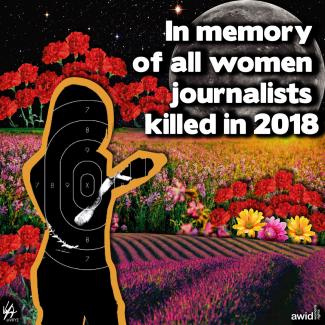
La plupart des États membres de l'Union européenne ont des lois et des pratiques qui pénalisent ou contrôlent de facon inacceptable le travail des travailleur·euses du sexe. La criminalisation des travailleur·euses du sexe et/ou de leurs client·e·s ne fait que contribuer à accroître la vulnérabilité des travailleur·euses du sexe, qui sont déjà confronté·es quotidiennement à la stigmatisation, à la discrimination et à l'exclusion de l'État et de la société, en particulier les femmes, les personnes trans, les migrant·e·s et/ou les travailleur·euses racialisés. En Espagne par exemple, le gouvernement essaie actuellement de faire passer une Loi pour l'Abolition de la Prostitution, ce qui entraînera plus de marginalisation et de violence. Venez entendre les histoires de travailleuses du sexe et d'organisatrices syndicales qui luttent pour décriminaliser le travail du sexe et promouvoir les droits et conditions de travail décentes pour les travailleur·euses du sexe.
nous croyons en une application complète du principe des droits, y compris ceux établis dans les lois internationales, et affirmons la conviction que tous les droits humains sont indissociables, interdépendants et indivisibles. Nous nous engageons à œuvrer pour l'éradication de toutes les discriminations fondées sur le genre, la sexualité, la religion, l'âge, les capacités, l'ethnicité, la race, la nationalité, la classe sociale ou d'autres facteurs.
É claro que sim. As suas respostas serão eliminadas no final do processamento e da análise dos dados, e só serão usadas para fins de investigação. Os dados NUNCA serão divulgados fora da AWID e serão processados apenas por colaboradores e consultores da AWID que trabalham no projeto WITM connosco. Damos prioridade à sua privacidade e ao seu anonimato. Consulte a nossa política de privacidade detalhada aqui.
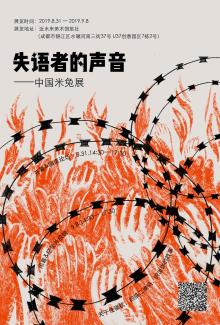
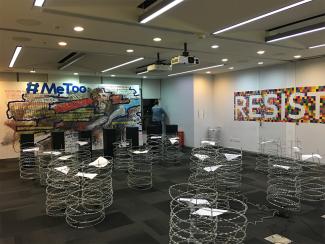
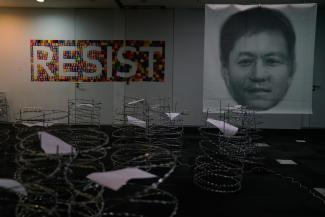
En China, el movimiento #MeToo [«Yo También»] se encendió en enero de 2018, empujado por el ímpetu del movimiento #MeToo de todo el planeta. Fue una respuesta a los problemas culturales y sistémicos relacionados con el género y el poder dentro de China. Las bases del movimiento habían sido establecidas durante décadas, y los muchos años de debate y promoción de la igualdad de género, finalmente, hicieron erupción con tremenda fuerza en toda la sociedad. El movimiento #MeToo fue impulsado fundamentalmente por jóvenes, que incluyen a innumerables mujeres anónimas y sus aliadxs, en busca de oportunidades para hacer realidad el principal «sueño chino»: transformar a China en un país con igualdad de género.
En China, el contexto para el movimiento #MeToo es extremadamente adverso: el Estado de derecho, la justicia y la transparencia de las acciones gubernamentales y la libertad de expresión no pueden darse por descontados, pero estos son precisamente los objetivos por los cuales lucha el movimiento. Ha sido, desde el principio, una lucha intensa, y cada víctima o activista que se visibiliza corre enormes riesgos: desde ser silenciadx o humilladx o de sufrir represalias hasta poner en peligro su seguridad. Todos los éxitos del movimiento #MeToo han sido logrados por quienes son lo suficientemente valientes como para asumir los costos de manifestarse y desafiar la censura.
La exhibición «#MeToo in China» fue inaugurada en 2019 y recorrió cinco ciudades. Su objetivo es dar mayor prominencia a las experiencias personales de lxs víctimas y lxs activistas, para inspirar al público a unirse a la lucha a través del contacto con estas historias. La exposición misma se ha convertido en parte de la lucha #MeToo: ha debido enfrentar desafíos en su itinerario por toda China y, en más de una ocasión, fue amenazada con la clausura.
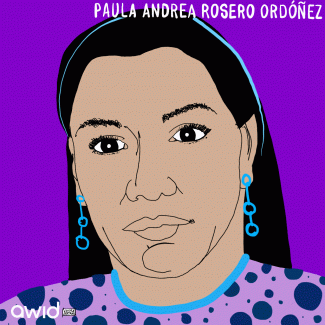
“[She] was a person who was characterized by her hard work in favor of the defense of human rights and the construction of peace in Nariño, especially in the municipality of Samaniego-Nariño.”
- Jorge Luis Congacha Yunda for Página10
She focused on civil and political rights, issues of impunity and justice, and contributed to uncovering the abuse of power, including corruption. She also participated in peacebuilding projects in her hometown Samaniego, such as the Municipal Peace Council and the Municipal Women’s Board.
Paula received death threats after exposing the irregular handling of resources and complaining about acts of corruption at the Lorencita Villegas Hospital in the Nariñense municipality. She was murdered on 20 May 2019, when two men approached and shot her at close range.
"Joining AWID, I hope I can help in the mobilization of the feminist movement. Not just for the privileged women, but for ALL women and feminist activists."
- Angelina Mootoo, Intersectional and Caribbean Feminist, Guyana/USA
نهدف للوصول الى 2000 رد، وهذا تقريباً ضعف الردود التي جمعناها من استطلاع "أين المال" الأخير عام 2021.
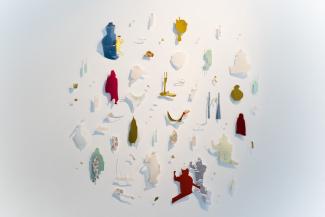
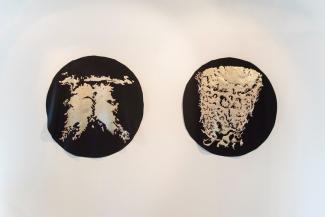
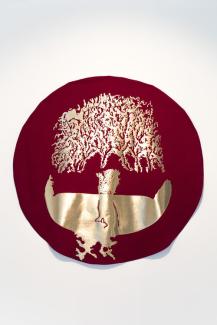
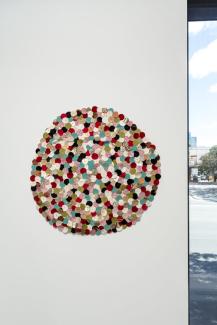
Une exposition de Nicole Barakat qui incarne sa reconnexion avec la diaspora d'objets provenant de ses terres ancestrales dans l'Asie du Sud-Ouest et l'Afrique du Nord.
Barakat présente une collection d'œuvres textiles en tant que manifestations de sa démarche consistant à travailler avec des objets déplacés, souvent volés, détenus dans les collections de musées occidentaux, notamment le Louvre, le British Museum et le Nicholson Museum.
Pour contourner les gardiens et pénétrer dans les vitrines contenant ces objets ancestraux, Barakat récupère des formes de connaissances précoloniales, non linéaires et réceptives qui sont souvent dévaluées et rejetées par les institutions coloniales et patriarcales. Elle utilise ainsi la cafédomancie, le travail du rêve, l'écoute intuitive et les conversations avec les objets eux-mêmes (source).
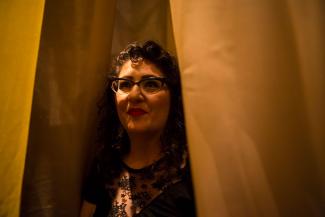
Ses œuvres comprennent des dessins en tissu et en papier cousus et découpés à la main, des formes sculpturales réalisées avec ses propres cheveux, du tissu et des matériaux végétaux, ainsi que des œuvres en direct où elle utilise sa voix comme matériau.
La pratique créative de Nicole s'enracine dans la re-mémoration et le re-couvrement de son savoir ancestral, y compris la cafédomancie et, plus récemment, le travail avec des plantes et des essences de fleurs pour le soin et la guérison de la communauté.
Carol Thomas fue una pionera en el trabajo por los derechos sexuales y reproductivos de las mujeres en Sudáfrica. Fue una ginecóloga de gran talento y la fundadora del WomenSpace [EspacioDeMujeres].
No sólo las empleó en su práctica, sino que también abogó por proporcionar formas no tradicionales de asistencia sanitaria a las mujeres, ofreciendo servicios de alta calidad, empáticos y accesibles.
"Ella recibió no sólo la alegría de los embarazos y la llegada de nuevxs bebés, sino también la ansiedad que puede generar la infertilidad, un parto prematuro, el cáncer femenino, así como también la angustia de los abortos espontáneos y lxs mortinatxs". Helen Moffett
Carol pensó en nuevos paradigmas cuyo centro de atención fuesen las necesidades de las mujeres con menor acceso a los servicios y derechos que puede aportar una sociedad:
"El entorno socioeconómico imperante en el que nos encontramos hoy se traduce en una carga desproporcionada de enfermedades y desempleo que las mujeres tienen que soportar... Como mujer negra, desfavorecida en el pasado, tengo una idea clara de lo que está sucediendo en nuestras comunidades". - Carol Thomas
La innovadora y multipremiada empresa social de Carol, "“iMobiMaMa”, utilizaba los quioscos móviles y la tecnología interactiva para conectar directamente a las mujeres con servicios de salud prenatal y reproductiva, información y apoyo en las comunidades de toda Sudáfrica.
Carol apoyó a las mujeres tanto en los embarazos deseados como en los no deseados, y fue mentora de muchxs enfermerxs y doctorxs a lo largo de su vida.
Fue calificada, además, como ginecóloga de referencia "para las personas trans que podían recibir de ella una atención afirmativa. Ella supo cómo manejarse cuando muchas personas no tenían todavía en claro el lenguaje o los pronombres. Sus mantas calientes, su capacidad para escuchar y decir lo que necesitabas oír eran muy reconfortantes." -Marion Lynn Stevens.
Carol Thomas falleció el 12 de abril de 2019 a causa de una serie de complicaciones tras un doble trasplante de pulmón, en el punto más álgido de su carrera profesional.
Los homenajes que llegaron después de su muerte inesperada se refieren a ella de muchas formas: como " modelo a seguir, mujer guerrera, innovadora, líder dinámica, rompe-moldes, dínamo, científica brillante, doctora compasiva".
Sin duda, Carol Thomas será recordada y honrada por ser todo esto y mucho más.