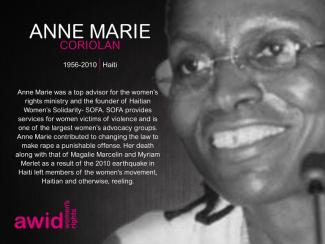
Anne Marie Coriolan
The climate summit by movements, for movements.
📅 November 12 - November 16, 2025
📍 Universidade Federal do Pará, Belém
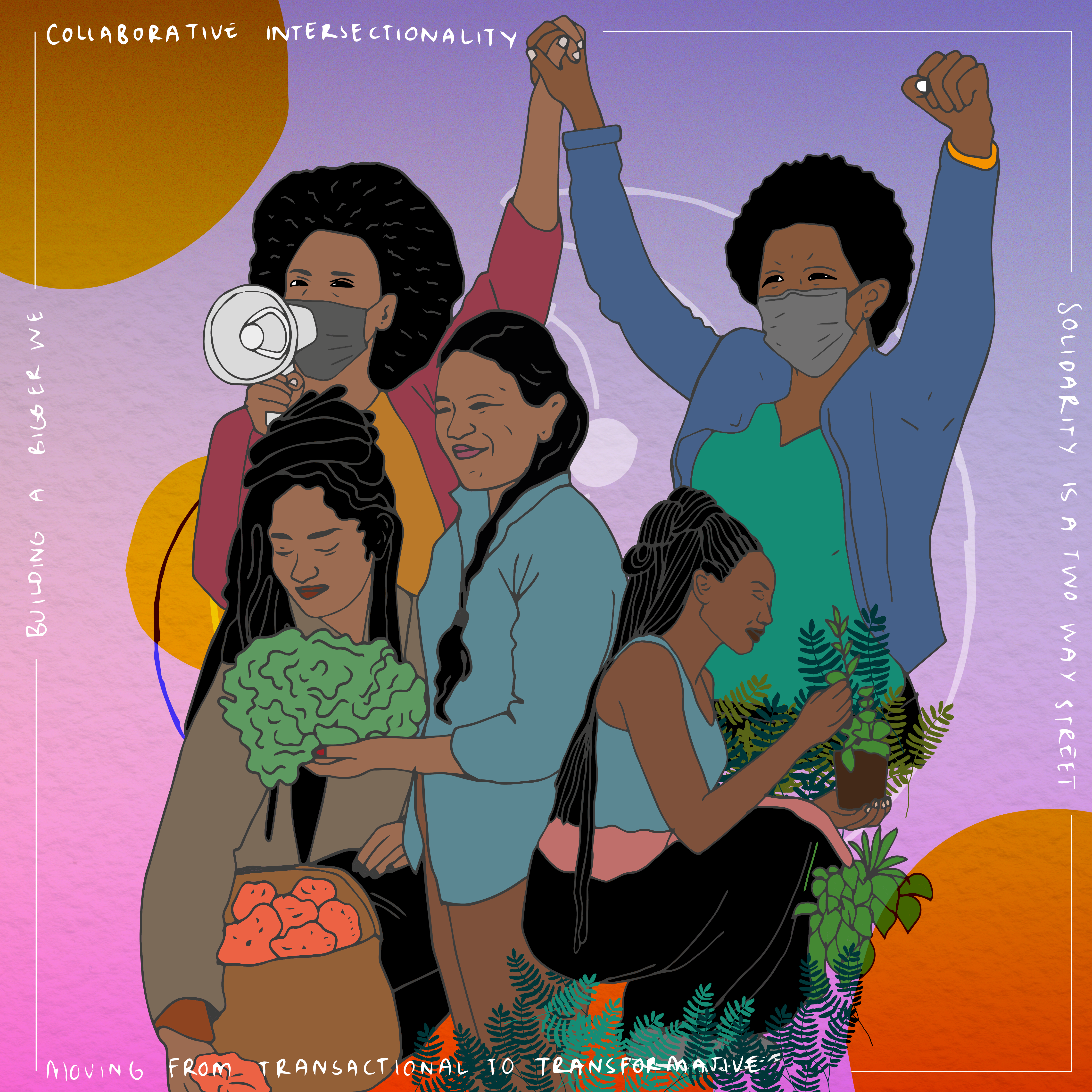
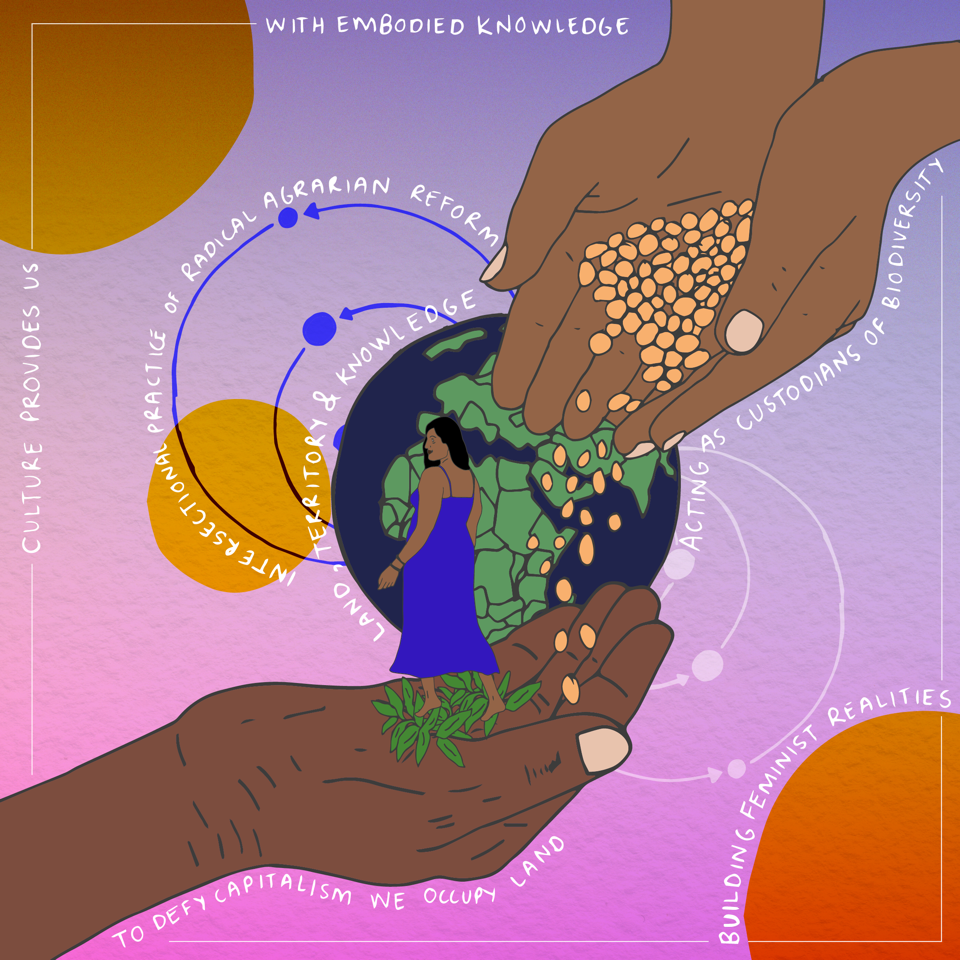
This collaborative zine originated from a series of sharing circles that brought together feminists from around the world throughout 2022. The purpose was to exchange ideas and mutually learn how communities are responding to the climate crisis in various local contexts.
Over the past few years, a troubling new trend at the international human rights level is being observed, where discourses on ‘protecting the family’ are being employed to defend violations committed against family members, to bolster and justify impunity, and to restrict equal rights within and to family life.
The campaign to "Protect the Family" is driven by ultra-conservative efforts to impose "traditional" and patriarchal interpretations of the family, and to move rights out of the hands of family members and into the institution of ‘the family’.
Since 2014, a group of states have been operating as a bloc in human rights spaces under the name “Group of Friends of the Family”, and resolutions on “Protection of the Family” have been successfully passed every year since 2014.
This agenda has spread beyond the Human Rights Council. We have seen regressive language on “the family” being introduced at the Commission on the Status of Women, and attempts made to introduce it in negotiations on the Sustainable Development Goals.
AWID works with partners and allies to jointly resist “Protection of the Family” and other regressive agendas, and to uphold the universality of human rights.
In response to the increased influence of regressive actors in human rights spaces, AWID joined allies to form the Observatory on the Universality of Rights (OURs). OURs is a collaborative project that monitors, analyzes, and shares information on anti-rights initiatives like “Protection of the Family”.
Rights at Risk, the first OURs report, charts a map of the actors making up the global anti-rights lobby, identifies their key discourses and strategies, and the effect they are having on our human rights.
The report outlines “Protection of the Family” as an agenda that has fostered collaboration across a broad range of regressive actors at the UN. It describes it as: “a strategic framework that houses “multiple patriarchal and anti-rights positions, where the framework, in turn, aims to justify and institutionalize these positions.”
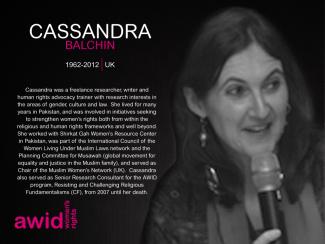

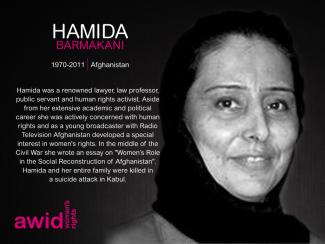
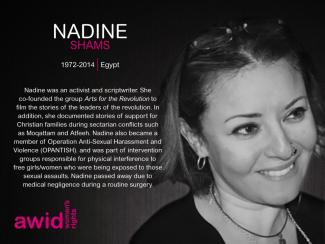
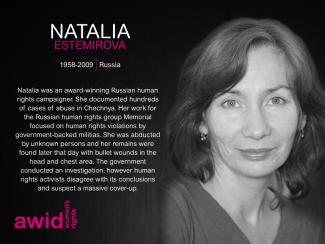


Share your stories and hear from others. By connecting our experiences, narratives and proposals we help co-create and amplify Feminist Realities.
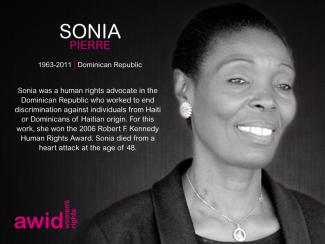
What if we reimagined ways of caring for our communities?
What if the economy was not about someone else’s profit but about care for our individual and collective wellbeing? These stories are about building communities of care with and for people who are historically and presently excluded, disenfranchised and dehumanized by both state and society. These are the stories of feminists centering care in the economy.
The AWID Forum will be organized around 6 interconnected topics. These ‘anchors’ center feminist realities.
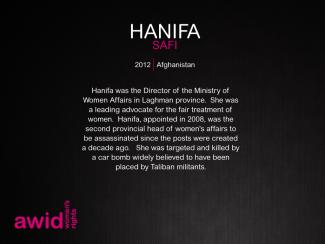
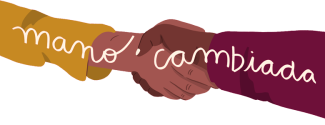
("exchange hand")
Term of the black communities of the Northern Cauca for the minga, the collective work based on solidarity and mutual support.