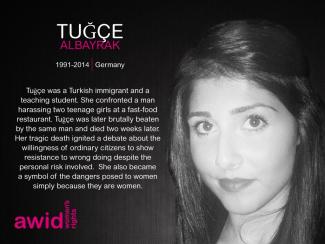
Tuğçe Albayrak
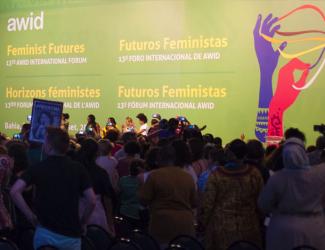
In September 2016, the 13th AWID international Forum brought together in Brazil over 1800 feminists and women’s rights advocates in a spirit of resistance and resilience.
This section highlights the gains, learnings and resources that came out of our rich conversations. We invite you to explore, share and comment!
One of the key takeaways from the 2016 Forum was the need to broaden and deepen our cross-movement work to address rising fascisms, fundamentalisms, corporate greed and climate change.
With this in mind, we have been working with multiple allies to grow these seeds of resistance:
And through our next strategic plan and Forum process, we are committed to keep developing ideas and deepen the learnings ignited at the 2016 Forum.
AWID Forums started in 1983, in Washington DC. Since then, the event has grown to become many things to many peoples: an iterative process of sharpening our analyses, vision and actions; a watershed moment that reinvigorates participants’ feminisms and energizes their organizing; and a political home for women human rights defenders to find sanctuary and solidarity.
J’ai l’intime conviction que des femmes puissantes peuvent donner à d’autres femmes la possibilité d’être puissantes, c’est pourquoi je suis ravie d’être membre de l’AWID. La visibilité que j’ai reçue en faisant partie de la Street Team de la communauté AWID a élargi mes connaissances et ma façon d’envisager le Féminisme et l’intersectionnalité. J’espère que davantage de femmes se joindront à nous et porteront des thématiques et des idées qui aideront d’autres femmes..- Loyiso Lindani, Afrique du Sud.
Linda Porn es una otra heroína de la organización sindical feminista y del activismo de las trabajadoras sexuales a nivel nacional (en España) y transnacional.
Originaria de México, vive en España desde los años 2000. Es trabajadora sexual, activista, madre soltera y artista multidisciplinar.
Partiendo de estas diferentes identidades, utiliza la performance, el videoarte y el teatro para visibilizar las luchas en las intersecciones del transfeminismo, el trabajo sexual, la migración, el colonialismo y la maternidad. Combina el arte y el trabajo sexual mientras cuida a su hija como madre soltera.
Linda también pertenece a colectivos de trabajadoras sexuales que luchan por sus derechos, como el sindicato OTRAS y CATS Murcia. También cofundó el grupo 'Madrecitas' - que visibiliza y denuncia la violencia institucional racista contra las familias migrantes. Violencia de la que ella y su hija fueron objeto por ser trabajadora sexual y madre soltera migrante.
¡No te pierdas su trabajo artístico aquí!
Patience is a global human resources professional with over a decade of experience in human resources (HR) management in the not-for-profit sector. Patience previously worked at Mercy Corps as the Global HR Officer for Africa supporting the full employee life cycle for expatriates in the Eastern and Southern African region and provided HR technical guidance to Human Resources leaders in country offices within the African region. Before joining the global people team, she was the Country Human Resources and Safeguarding Focal Point, she was part of the senior management team leading on all human resources and safeguarding matters. Prior to Mercy Corps she led the HR and Operations department at SNV Netherlands Development Organization and was a member of the country management team. She also has HR Consultancy experience which she gained while she was still studying for her BSc Honors degree in Human Resource Management. She has a passion for HR, loves working with people and she takes wellbeing and safeguarding as her core values and in her professional work. As someone who loves sports, you can also find Patience at the basketball court, the tennis court or on the soccer field.
El Foro de AWID estará organizado alrededor de 6 tópicos interconectados. Estos «ejes» se centran en las realidades feministas.
Florence était une militante des droits des personnes handicapées qui travaillait avec plusieurs organisations de femmes handicapées en Ouganda.
Elle a également occupé le poste de présidente de l’Association des femmes handicapées du district de Lira, ainsi que du caucus des conseillères du district de Lira. Formée en tant que conseillère pour personnes handicapées et parents d'enfants handicapés, elle a soutenu de nombreux projets appelant à une plus grande représentation des personnes handicapées.
Elle est morte dans un accident de moto.

"Creemos que este es el momento para continuar organizándonos desde la solidaridad, la esperanza y la imaginación radical."
- Beijing+30 & CSW: La construcción de significados feministas en tiempos de policrisis

Durante sus 38 años de carrera, Debbie Stothard ha trabajado con diferentes comunidades y activistas para involucrar en los derechos humanos y la justicia a los Estados, organizaciones intergubernamentales y otras partes interesadas a lo largo de Asia, África, Europa y las Américas. Su trabajo está enfocado en las prioridades temáticas de las empresas y en los derechos humanos, en la prevención de las atrocidades y en el liderazgo de las mujeres. Por ello, ha sido facilitadora o persona de referencia en casi 300 eventos de capacitación durante los últimos 15 años. La mayoría fueron talleres orientados a las bases, desarrollados en el terreno, centrados en la incidencia en derechos humanos, alfabetización económica, en empresas y derechos humanos, y en justicia transicional y prevención de las atrocidades. Su trabajo en justicia transicional y prevención de las atrocidades ha estado enfocado principalmente en Burma/Myanmar, aunque también ha proveído asesoramiento para responder a situaciones de otros países alrededor del mundo.
Entre 1981 y 1996, Debbie trabajó como periodista especializada en crímenes, activista estudiantil, analista política, académica, consejera de gobierno y proveedora de comida en Malasia y Australia, mientras era voluntaria en causas de derechos humanos. En 1996, fundó ALTSEAN-Burma, que encabezó una variedad de programas de innovación y empoderamiento en derechos humanos. Entre ellos, el programa intensivo permanente de liderazgo de ALTSEAN para diferentes mujeres jóvenes de Burma, que, durante los últimos 22 años, ha ayudado a fortalecer y ampliar el liderazgo de las mujeres en las zonas afectadas por el conflicto. Se desempeñó como integrante de la Junta de la Federación Internacional de Derechos Humanos (FIDH) durante 9 años como secretaria general adjunta (2010-2013) y secretaria general (2013-2019), durante los cuales promovió la misión y el perfil de la FIDH en, aproximadamente, 100 reuniones y conferencias por año.
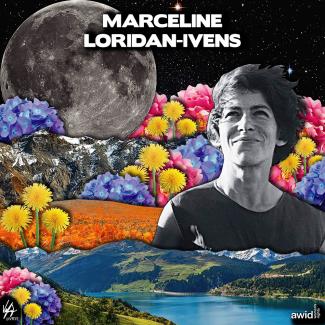
Born in 1928, Marceline worked as an actress, a screenwriter, and a director.
She directed The Birch-Tree Meadow in 2003, starring Anouk Aimee, as well as several other documentaries. She was also a holocaust survivor. She was just fifteen when she and her father were both arrested and sent to Nazi concentration camps. The three kilometres between her father in Auschwitz and herself in Birkenau were an insurmountable distance, which she writes about in one of her seminal novels “But You Did Not Come Back.”
In talking about her work, she once said: "All I can say is that everything I can write, everything I can unveil — it's my task to do it.”
ترجمة رولا علاء الدين
 |
جوريما آراوْخو، معلّمة وشاعرة من ريو دي جانيرو. ساهمت في مجلة Urbana التي حرّرها الشاعران برازيل باريتو وسامارال، وفي كتاب Amor e outras revoluções “الحب والثورات الأخرى” مع العديد من الكتّاب الآخرين. بالتعاون مع أنجليكا فيراريس وفابيانا بيريرا، شاركت في تحرير O livro negro dos sentidos “الكتاب الأسود للحواس”، وهو مختارات إبداعية عن الحياة الجنسية للمرأة السوداء في البرازيل. جوريما عمرها 54 سنة. لديها ابنة وثلاثة كلاب وقطة والعديد من الأصدقاء. |

مَن يودّ المصّ معي؟المانغو هي الثمرة المفضّلة عندي. |
يومَ دعتني أنجليكا وفابي لأكون القَيِّمة على تشكيلة نصوص شبقية من تحرير نسوة سود لم أكن أعرف ما يعنيه عملُ القيِّم. الشبق ومشتقاته، هذه فهمتها جيداً، لكن عمل القَيِّم... ابتسمت تحت وطأة الخجل والإطراء. أظن أنّي شكرتهما، على الأقلّ آمل أنّي شكرتهما، وقلت في ذاتي: ماذا تعني هذه الكلمة اللعينة؟! حسناً، سأضطر إلى سَبر معاني هذا اللقب المُبهرَج وأنا أطبّقه.
اليوم، أنا على دراية بما يعينه عمل القيِّم. هو بمثابة ممارسة الحبّ مع نصوص شخصٍ آخر، مع فنّ شخصٍ آخر، بغية تجميع كتاب وتنظيمه. وهذا تماماً ما قمت به. عرّيت بشهوانية أدبية كلّ نصّ لكلٍّ من الكاتبات. تعمّقت في كلمات وحواس الآخرين. ولَجَتني قصائدُ لم أكتبها. حكايات ما كنت لأجرؤ على تخيّلها قلبتني رأساً على عقب وأربكت مشاعري وعبثت بشهوتي الجنسية. وكانت نشوةٌ رائعة وفريدة: سماويّة وجسمانيّة وسامية في آنٍ واحد، فكريّة وحسّيّة.
تنبض هذه النصوص كالبظر المنتصب رغبةً، رطبةٌ، ينسال منها الفرح مع كلّ قراءة. كلمات ابتلعتني بإيحاءتها اللعوبة، تأخذني أعمق فأعمق في هذا العالم الرّطب.
غطست هذه النسوة السود إلى قعرِ هَيْجِهنّ وحوّلن أعمق تخيّلاتهنّ الشبقيّة إلى فنٍّ.

أُخْصِبَت هذه الأعمال بأسلوبِ كلٍّ من الكاتبات الخاصّ في التجربة الجنسانية، بحريّة، بسوداوية، بأنفسنا، بطريقتنا الخاصّة، بتمكّن.
اخترت أن أوزّع هذه النصوص في مختلف أجزاء الكتاب ونظّمتها بحسب محتواها الأكثر رقّة أو انفعالية أو بديهية أو ضمنيّة.
استهلالاً لهذا «اللبّ الأسود المفترج»، تأتي أقسام ’التمهيدات‘ (Preliminaries) بنصوصها التي تقدّم لمحةً للقرّاء عن عالم الأطايب هذا، وهي بمثابة لمسَة شاملة رقيقة تُعرِّف بالمواضيع التي تطرحها النصوص في باقي الكتاب.
يلي ذلك لهيبُ ’اللمس‘ (Touch) وهو جزءٌ يُعنى بكلّ ما تشعر به البشرة. تلك الطاقة التي تحرق أو تُثلِج أجسادنا، التي تفجّر هُرموناتنا وتوقظ حواسنا الأخرى. صحيحٌ أنّ كثيرين بيننا يستمتعون بشهوة التلصُّص، لكنّ ملامسة البشرة بالفم الدافئ والرّطب مثيرٌ، وهو كالتطواف في نعومة الآخر. تُغرينا اللمسة اللطيفة أو الحازمة وتجتاحنا القشعريرة، وذلك التوتّر الجميل الذي يسري من العنق إلى الظهر ولا يختفي إلا اليومَ التالي. ودفء الشفاه والفم واللسان الرّطب على البشرة، آه من حلاوة لسانٍ ينساب داخل الأذن، أو احتكاك الجلد بالجلد، والملابس تتموّج على الجسد وكأنّها امتدادٌ لليدّ. ولمّا يكون التروّي جزءاً من المتعة، وتعصف بك الإثارة بفعل قبضة مُحْكَمة وبعضٍ من الألم – أو الكثير منه، من يدري؟
أمّا ’الصوت‘ (Sound) – أو اللحن؟ – فيبيّن لنا أنّ الانجذاب يحصل أيضاً عبر حاسّة السمع: صوت الشخص، الهمسات، الموسيقى التي تشعل التواصل بين جسدٍ وآخر وقد تمسي محورَ الرغبة. فبالنسبة لبعضٍ منّا، لا يتطلّب الأمر إلّا الأوتار الصوتية لشخصٍ ذي صوتٍ جميل، فذاك الصوت الأجشّ أو العميق أو الرخيم يكون كممارسة الجنس سمعياً. أن نسمع سِبابَهم الصارخ أو كلامهم المعسول همساً في الأذن يكفي لتجتاحنا قشعريرة الإثارة من الرأس إلى أخمص القدميْن.
في ’المذاق‘ (Flavor)، نأتي إلى اللسان وهو الخبير في استكشاف الخبايا يجول هائماً على جسد الآخر ويتلذّذ. وأحياناً يُقحَم اللسان قحماً لتذوُّق رحيق الآخر. فكرة أن يُشاركنا أحدٌ فراولته أو مانغته الشهيّة الملأى، بالعضّ واللحس، أو اللحس ثم العضّ، فكرةٌ كفيلة بإذابتنا. لكن لا شيء يعلو على حلاوة تذوُّق جسد الآخر بكهوفه وتلاله. إقحامُ اللسان في العمق لتذوُّق الثمرة، أو قضاءُ ساعاتٍ في تذوُّق رأس القضيب في الفم، أو رضعُ ثدي شهيّ لتذوُّق الحلمة... كلّها أفعال تسعى إلى حفظ ’مذاق‘ الآخر في الذاكرة.
نجد أيضاً نصوصاً تصف كيف تُستثار الرغبة عبر الأنف. ’الرائحة‘ (Smell)، أعزائي القرّاء، قد توقظ فينا شهوات الرغبة. أحياناً نلتقي شخصاً رائحته عبقة لدرجة أننا نودّ التهامه بأنفنا. يريد الأنف أن يجول في أنحاء الجسد ويبدأ من العنق وآهٍ من الرعشة الحلوة التي تصيبنا وتعرّي الروح! يقلّ حياء الأنف فيتعمَّق ويلفّ حول العنق ليلتقط عَبَق رائحة الآخر فيحفظها. وفي غياب هذا الشخص، إن إلتقط الأنف رائحة شبيهة يحضر الشخص في ذاكرتنا، أو إن استحضرته الذاكرة تجتاحنا الرائحة والإثارة.
نصل إلى ’النظر‘ (Look)، وهو برأيي غدّار الحواس، ومن خلاله ندرك الرغبة من وجهة «نظر». هنا النصوص تصف الرغبة والإثارة عبر حاسة النظر التي توقظ باقي الحواس. أحياناً، ابتسامةٌ تكفي لِنُصاب بالجنون. تبادُل النظرات؟ تلك النظرة التي تقول «أريدك الآن». نظرة التملّك تلك التي لا تنكسر إلا مع انتهاء المضاجعة، وقد تدوم بعدها. هذه نظرة فريدة من نوعها، تجذب الآخر فيعجز عن إشاحة نظره لوقتٍ طويل. والنظرات المُسترَقة حيث يشيح واحدٌ بنظره ما أن يلتفت إليه الآخر كأنّهما في مطاردة كالقط والفأر. وما أن تلتقي الأعين وينفضح أمرنا جُلّ ما يمكننا فعله هو أن تنفرج أساريرنا بابتسامة فاغرة.
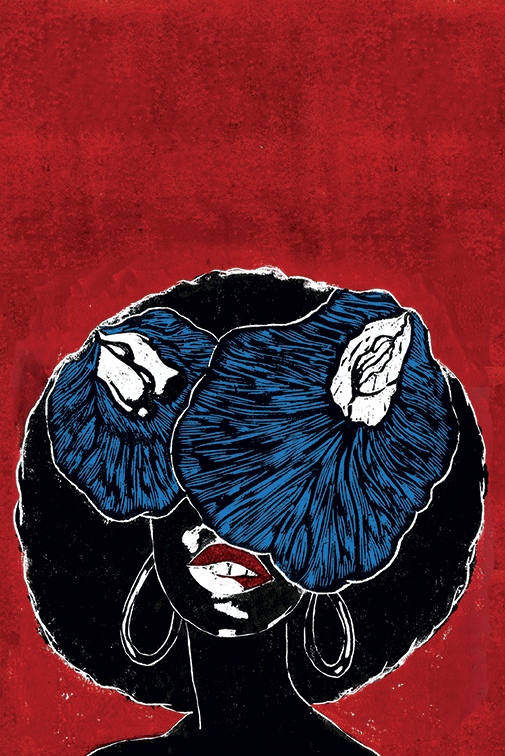
ختاماً، يأتي الانفجار في جزء ’الحواس كافة‘ (All Senses) حيث النصوص تمزج المشاعر لتبدو كحالة تأهّب لنصل إلى اللذة القصوى، إلى النشوة.
طبعاً، لا شيء يفصل بوضوح بين هذه القصائد والحكايات. بعضها رقيقٌ بتلميحه. الإثارة تُشغِل الحواس كافّة، والأهمّ أنّها تُشغِل الرأس، فهُنا مقام كلّ ما يحدث والجسد بكامله يستجيب. لقد نظَّمتُ القصائد وفقاً لما أثارته فيّ عند قراءتها، ولكم الحريّة في مخالفة رأيي هذا. لكن بالنسبة لي، الرغبة تنبع من حاسّة معيّنة ومن ثم تنفجر، وثمّة لذّة في تتبّع مسار الرغبة وتحديد أيٍّ من الحواس استقلّت.
إنّ القدرة على تحويل الإثارة إلى فنّ تعني تحرير أنفسِنا من الأحكام المسبقة والسجون ووصمات العار كلّها التي حبَسَنا فيها هذا المجتمع المُتمَحوِر حول العرق الأبيض.
كلّما تقوم كاتبة سوداء بتحويل الشبقيّ إلى فنّ فهي تخلع السلاسل العنصرية المؤذية التي تشلّ جسدها وتقمع جنسانيتها وتجعل منّا غرضاً لجشع الآخرين. إنّ كتابة الشعر الشبقيّ هي استعادة لسلطتها على جسدها وهي التنقّل بلا خوف بين ملذّات الرغبة من أجل ذاتها ومن أجل الآخرين ومن أجل الحياة.
الكتابات الأدبية الشبقيّة هي نحن عندما نتّخذ الشكل الفنّي. الشكل الذي يتيح لنا إظهار أفضل ما لدينا وآرائنا في الحبّ الملأى لذّة والمتبّلة بشهوة أجسادنا والتي تُترجَم عبر وَعْينا الفنّي. نحن متنوّعات، وهنا نشارككم هذا التنوّع في الأحاسيس عبر الكلمات المُشبَعَة إثارة. صحيح، حتّى كلماتنا ترشَح برغبتنا الجنسية وترطّب آياتنا وتجعل من شهواتنا قصائدَ. النشوة، بالنسبة لنا، إنجاز.
أن تكون عقولنا وأجسادنا وجنسانياتنا سوداء هو أمرٌ ضروري لاستئناف لذّتنا واستعادة نشوتنا. عندها فحسب نصير أحراراً. هذه العملية برمّتها إنجازٌ وهي لا تخلو من الألم. لكنّه من المفرح أن نجد أنفسنا في مكان مختلف جداً عن حيث تمّ وضعنا.
أشعر أنّي لكنّ/لكم، أنّي لنا. تذوّقوا هذه الكلمات العذبة معنا، تلذّذوا بها، ولْتَكُن وليمة.
هذا النص مقتبس من مقدمة كتاب «O Livro Negro Dos Sentidos» وهي تشكيلة قصائد شبقيّة لثلاثٍ وعشرين كاتبة سوداء.

This journal edition in partnership with Kohl: a Journal for Body and Gender Research, will explore feminist solutions, proposals and realities for transforming our current world, our bodies and our sexualities.
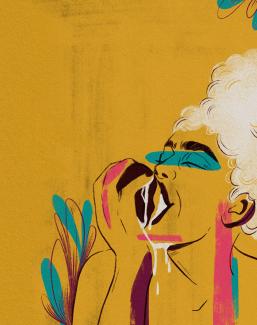
نصدر النسخة هذه من المجلة بالشراكة مع «كحل: مجلة لأبحاث الجسد والجندر»، وسنستكشف عبرها الحلول والاقتراحات وأنواع الواقع النسوية لتغيير عالمنا الحالي وكذلك أجسادنا وجنسانياتنا.
✉️ Solo con invitación
📅 Martes 11 de marzo de 2025
🕒 De 02:00 a 04:00 p.m., EST
🏢 Chef's Kitchen Loft with Terrace, 216 East 45th St 13th Floor New York
Organiza: Consorcio Observatorio sobre la Universalidad de los Derechos (OURS)
Simone has 20 years’ experience working in management support and administration in non-profit organizations, in particular post-graduate medical education and ICT training. She has qualifications in Management Support and Paralegal studies. She is based in South Africa, enjoys traveling and is an amateur Genealogist.
by Amal Amer
I pray with my family for the first time in six years while wrapped in a keffiyah I scavenged from a dumpster. (...)
artwork: “Angels go out at night too” by Chloé Luu >
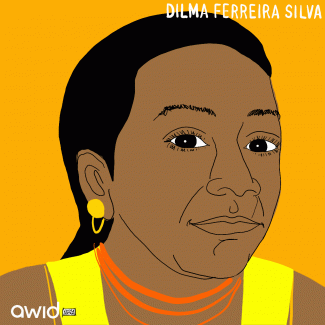
She herself was among the 32,000 people displaced by the Tucuruí, a mega-hydroelectric power plant, built in Brazil during the 1964-1985 military dictatorship.
In 2005 Dilma was invited to join the Movement of Dam-Affected Peoples in Brazil (MAB), and in 2006 she formed the women’s collective, eventually becoming regional coordinator of the movement.
In speaking about her activism, her colleagues commented:
“She stood out very fast because she was always very fearless in the struggle.”
Dilma lived in the rural settlement of Salvador Allende,50 kilometers from Tucuruí, and dedicated her life to better protect communities and the land affected by the construction of mega projects. She was especially concerned with the gendered impacts of such projects and advocated for women’s rights.
At a national MAB meeting in 2011, Dilma spoke to women affected by the dams, saying:
“We are the real Marias, warriors, fighters who are there, facing the challenge of daily struggle”.
In the following years, Dilma organized grassroots MAD groups and worked with the community to form farming cooperatives that created a better distribution of food for the community. They improved the commercialization of fishing, and developed a cistern project for safe drinking water. She was also an advocate for farmers whose lands were being coveted by ‘grileiros’ (land grabbers).
On 22nd March 2019, at the age of 48, Dilma, her husband and their friend were all brutally murdered. The three killings came as part of a wave of violence in the Amazon against the Movimento dos Trabalhadores Sem Terra (translates as ‘landless workers’ movement’), environmental and indigenous activists.