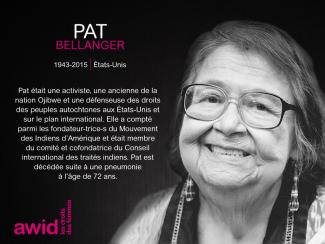
Pat Bellanger
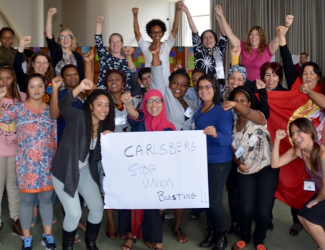
Women human rights defenders (WHRDs) worldwide defend their lands, livelihoods and communities from extractive industries and corporate power. They stand against powerful economic and political interests driving land theft, displacement of communities, loss of livelihoods, and environmental degradation.
Extractivism is an economic and political model of development that commodifies nature and prioritizes profit over human rights and the environment. Rooted in colonial history, it reinforces social and economic inequalities locally and globally. Often, Black, rural and Indigenous women are the most affected by extractivism, and are largely excluded from decision-making. Defying these patriarchal and neo-colonial forces, women rise in defense of rights, lands, people and nature.
WHRDs confronting extractive industries experience a range of risks, threats and violations, including criminalization, stigmatization, violence and intimidation. Their stories reveal a strong aspect of gendered and sexualized violence. Perpetrators include state and local authorities, corporations, police, military, paramilitary and private security forces, and at times their own communities.
AWID and the Women Human Rights Defenders International Coalition (WHRD-IC) are pleased to announce “Women Human Rights Defenders Confronting Extractivism and Corporate Power”; a cross-regional research project documenting the lived experiences of WHRDs from Asia, Africa and Latin America.
"Women Human Rights Defenders confronting extractive industries: an overview of critical risks and Human Rights obligations" is a policy report with a gender perspective. It analyses forms of violations and types of perpetrators, quotes relevant human rights obligations and includes policy recommendations to states, corporations, civil society and donors.
"Weaving resistance through action: Strategies of Women Human Rights Defenders confronting extractive industries" is a practical guide outlining creative and deliberate forms of action, successful tactics and inspiring stories of resistance.
The video “Defending people and planet: Women confronting extractive industries” puts courageous WHRDs from Africa, Asia, and Latin America in the spotlight. They share their struggles for land and life, and speak to the risks and challenges they face in their activism.
Challenging corporate power: Struggles for women’s rights, economic and gender justice is a research paper outlining the impacts of corporate power and offering insights into strategies of resistance.
AWID acknowledges with gratitude the invaluable input of every Woman Human Rights Defender who participated in this project. This project was made possible thanks to your willingness to generously and openly share your experiences and learnings. Your courage, creativity and resilience is an inspiration for us all. Thank you!
✉️ Requiere inscripción previa. Regístrate aquí
📅 Miércoles 12 de marzo de 2025
🕒 De 05:00 a 07:00 p.m., EST
🏢 Chef's Kitchen Loft with Terrace, 216 East 45th St 13th Floor New York
Organizan: Women Enabled International y AWID
par Prinka Saraswati
Les cycles menstruels sont généralement d’une durée de 27 à 30 jours. Pendant cette période, les règles elles-mêmes ne durent que 5 à 7 jours. L’épuisement, les sautes d’humeur et les crampes sont le résultat de l’inflammation qui se produit alors. (...)
< illustration : « Mouvement féministe », Karina Tungari
ترجمة رولا علاء الدين
كلمة العددفقدان الكلام |
 |
 |
|
غوى صايغ |
تشينيلو أونوالو |
«لمّا نكون مُستَقتِلين للتغيير، لِكوننا في حالة مرضٍ وتمرّدٍ في آنٍ واحد، تخلو لغتنا من التعقيد وتنصقل لتعكس أبسط ركائزها. (...) لكن، ومع استمرار المرض والثورة، تصبح اللغة المُصاغة في هذه الحالة وعنها أكثرَ عمقاً وأكثرَ تعبيراً عن الفوارق الدقيقة، وتكون منغمسة انغماساً شديداً في التجربة الإنسانية التي يواجه فيها المرءُ حدودَه عند نهاية العالم».
- جوانا هيدفا
بدأنا التخطيط لعدد المجلّة هذا مع نانا داركوا قُبيل مهرجان «ابدعي، قاومي، غيٍّري: مهرجان للحراكات النسوية» لجمعية «حقوق المرأة في التنمية» AWID، وانطلقنا وقتها من سؤالٍ هو بالأحرى ملاحظة حول حالة العالم، ورغبة في تغيير الاعتقادات السائدة: لماذا لا تزال جنسانيّاتنا وملذّاتنا تخضع للترويض والتجريم مع أنّه يتمّ تذكيرنا مراراً وتكراراً بأنّها لا تأتي بأيّ قيمة أو تطوّر؟ واستنتجنا أنّ جنسانيّاتنا، لمّا تتجسّد، فيها ما يتعارض مع النظام العالمي الذي ما زال يتجلّى من خلال ضوابط الحدود، والتمييز العنصري في توزيع اللقاح، والاستعمار الاستيطاني، والتطهير العرقي، والرأسمالية المُستشرية. هل يمكننا إذاً القول إنّ لجنسانيّاتنا قدرةٌ تعطيليّة؟ وهل يصحّ هذا القول عندما ننظر إلى واقع حركاتنا التي يتمّ الاستيلاء عليها ومأسستها في سعيها للتزوّد بالموارد؟
عندما يصبح عملنا المتجسّد مادةً ربحية في أيدي الأنظمة التي نسعى إلى إزالتها فلا عجب أنّ جنسانيّاتنا وملذّاتنا توضَع جانباً من جديد، لا سيّما أنّها ليست مُربِحة بما فيه الكفاية. لقد تساءلنا، في مواقف عدّة خلال إنتاج هذا العدد، ما الذي سيحدث إذا رفضنا مراعاة خدمات الرأسمالية الأساسية؟ لكن هل نجرؤ على هذا التساؤل وقد أنهكنا العالم؟ ربما يتمّ تجاهل جنسانيّاتنا بهذه السهولة لأنها لا تُعتَبَر أشكالاً من أشكال الرعاية. ربما ما نحتاجه هو أن نعيد تصوّر الملذّة كشكلٍ من أشكال الرعاية الجذرية، تكون أيضاً مناهضة للرأسمالية وللمؤسساتية.
بدأنا العام الثاني على التوالي لحالة الجائحة العالمية وكان لا بدّ أن تركّز مقاربتنا للتجسيدات العابرة للحدود القومية على ملاحظة سياسيّة واحدة: أنّ الرعاية هي شكل من أشكال التجسيد. وبما أنّ جزءاً كبيراً من عملنا يتمّ حالياً من دون أيّ اعتبار للحدود بيننا وفينا فنحن جميعاً متجسّدون بشكلٍ عابرٍ للحدود القومية، ونحن جميعاً نفشل. نحن نفشل في رعاية ذاتنا، والأهمّ أننا نفشل في رعاية الآخرين.
هذا الفشل ليس من صنع أيدينا.
إنّ الكثير من أهالينا اعتبروا العملَ مقايضةً، أي أنّه شيءٌ يُعطى مقابل أجرٍ وضمانة بالحصول على الرعاية. صحيحٌ أنّه تمّ الإخلال بهذه المقايضة أحياناً، لكنّ أهالينا ما كانوا يأملون أنّ عملهم سيوفّر لهم الرِضا الذاتي، وكانوا يعتمدون لهذا الغرض على نشاطهم الترفيهي وهواياتهم ومجتمعاتهم. أمّا اليوم، فنحن، أولادهم الذين تمّت تهيأتنا لنعتبر العمل متشابكاً مع الشغف، توقّعاتنا مختلفة تماماً. نحن لا نفرّق بين العمل والترفيه ونعتبرهما عنصراً واحداً، وبالنسبة للكثيرين بيننا، العمل بات يجسّد الذات بكاملها.
إنّ الرأسمالية القائمة على الأبويّة والمغايَرة الجنسية لا ترى لنا أيّ قيمة، ناهيك عن عملنا وجنسانيّاتنا. إنّه نظامٌ سيستمر في طلب المزيد والمزيد منك إلى يوم مماتك، وبعدها سيستبدلك بشخصٍ آخر. يُنتَظَر منّا أن نكون على اتصال بالإنترنت في كلّ الأوقات، ما يعني أنّه لا يمكننا الانصراف عن العمل حتى لو شئنا ذلك. إنّ هذا التَتْجير للعمل وفصله تماماً عن الشخص قد تسلّل إلى كلّ ناحية من نواحي حياتنا، ويتمّ ترسيخ هذا التَتْجير حتى في الأوساط الأكثر نسويّة والأكثر تمرّداً وتشدّداً.
لطالما حمَلَت تطلّعات الرأسمالية ضرراً كبيراً بالأجساد التي لا تتوافق مع النموذج المثالي، وأولئك الذين يسعون إلى ترسيخ سلطتهم استغّلوا الجائحة كفرصة لاستهداف النساء والأقلّيات الجنسية وكلّ مَن يعتبرونه دون المستوى.
تمّ إعداد هذا العدد الخاص بفعل هذا الواقع، وطبعاً، رغماً عن هذا الواقع.
لقد قدّم المساهمون/ المساهمات والعاملون/ العاملات كلّهم تقريباً مجهوداً يفوق طاقاتهم، وكلٌّ من الأعمال الواردة هنا هو نتاجُ سعيٍ شغوف ولكن أيضاً نتاج حالة إنهاكٍ شديد.
يشكّل هذا العدد، بطريقة غايةً في الواقعية، تجسيداً للعمل العابر للحدود القومية، علماً أنّ أيّ عمل في عصرنا الرقمي أصبحَ عابراً لتلك الحدود. وفيما فُرِضَ علينا تقبّل حدود جديدة، وهي حدود لا تخالف النظام القائم سابقاً بل تعزّزه، اختبرنا مباشرةً، إلى جانب مساهمينا، كيف تستنزف الرأسمالية طاقاتنا القصوى – كيف يصبح من الصعب بناء الحجج المتماسكة لا سيّما حينما تكون خاضعة لموعد التسليم. إننا نعاني بشكلٍ جَماعي من فقدان الكلام لأننا أساساً نعاني من فقدان العوالم.
الشعور بالضياع والوحدة في عالم الرأسمالية القائمة على الأبوية والمغايَرة الجنسية هو بالتحديد ما يجعل من الضروري أن نعيد تقييم أنظمة الرعاية التي نتّبعها وأن نُعيد النظر فيها. لقد حوّلنا هذا العدد بوسائل عدّة إلى مهمّة لإيجاد الملذّة في الرعاية. فبما أنّه بات من الصعب بناء الحجج المتماسكة، برزت الوسائط البصرية والمبتكرة وقد لجأ كثرٌ ممن اعتادوا الكتابة إلى هذه الوسائط كطرقٍ لإنتاج المعرفة واختراق الضباب الفكريّ الذي أحاط بنا. لقد ضمّينا في هذا العدد أصواتاً أخرى، بالإضافة إلى أصواتٍ عدّة استمعتم إليها في المهرجان، كوسيلة لإطلاق حوارات جديدة وتوسيع آفاقنا.
بما أنّ كلماتنا قد سُرِقَت منّا، يقضي واجبنا السياسي بأن نستمر في إيجاد الوسائل للحفاظ على أنفسنا والآخرين والاهتمام بأنفسنا وبالآخرين. بالتالي، يصبح تجسّدنا نوعاً من المقاومة إذ هو بداية إيجادنا لسبيل الخروج من الذات ودخولها.

This journal edition in partnership with Kohl: a Journal for Body and Gender Research, will explore feminist solutions, proposals and realities for transforming our current world, our bodies and our sexualities.
نصدر النسخة هذه من المجلة بالشراكة مع «كحل: مجلة لأبحاث الجسد والجندر»، وسنستكشف عبرها الحلول والاقتراحات وأنواع الواقع النسوية لتغيير عالمنا الحالي وكذلك أجسادنا وجنسانياتنا.
Juli Dugdale était une féministe australienne pratiquant un leadership intergénérationnel ancré dans les principes du féminisme, de l’inclusion et de l’égalité. Elle était une leader, une pair et une encadrante pour de nombreuses femmes, et particulièrement des jeunes femmes du monde entier.
Juli a été une membre dévouée de l’équipe de l’Association des jeunes femmes chrétiennes (YWCA), bénévole et fervente défenseure du leadership des jeunes femmes pendant plus de 30 ans.
Elle assurait un lien très fort entre le mouvement australien du YWCA et le bureau international. Sa confiance dans les capacités de leadership des jeunes femmes a entre autres donné lieu à un partenariat pluriannuel avec le ministère australien des Affaires étrangères et du Commerce, de même qu’à la rédaction du manuel Rise Up, un guide mondial pour le leadership transformationnel des jeunes femmes, lancé en 2018.
Juli est décédée à Genève, en Suisse, le 12 août 2019.
« Pour celles et ceux qui ont travaillé avec Juli, ce fut un privilège. Pour celles et ceux qui n’ont pas travaillé avec elle, sachez que son héritage perdure dans le travail que nous faisons tous les jours, et dans la mission du mouvement des YWCA. » – YWCA Australie
« Juli Dugdale occupera toujours une place privilégiée dans le cœur de nombreuses personnes du mouvement du YWCA, particulièrement ici en Aotearoa et dans le Pacifique. Juli entretenait une relation particulière avec le Pacifique, et soutenait de manière remarquable les jeunes femmes de la région. De nature humble, aimable, aimante, affectueuse, dévouée et passionnée, elle avait un cœur généreux. Elle incarnait la vision du « leadership transformationnel » du YWCA avec une vision et une clairvoyance extraordinaires, et a de plus aidé à renforcer les capacités de générations de jeunes femmes leaders dans le monde. » – YWCA Nouvelle-Zélande
✉️ Sur inscription pour les grands groupes. Espace ouvert pour les petits groupes. Inscrivez-vous ici
📅 Mercredi 12 mars 2025
🕒 14.00h-16.00h EST
🏢 Chef's Kitchen Loft with Terrace, 216 East 45th St 13th Floor, New York
Organisé par : AWID
by Sophia Armen
Like it or not fierce ungerhouis have been part and parcel to our histories of resistance and are here to stay. (...)
By Michel’le Donnelly
The Crear | Resister | Transform Feminist Festival in September was such a breath of fresh air in these uncertain, turbulent and painful times.
The space created by this festival has been so necessary. Necessary for the souls of those who are seeking comfort during these bleakest of times. Necessary for those craving community in what feels like an increasingly isolating world and above all, necessary for those fighting against the very systems that have brought many of us to our knees, especially over the past two years.
“Crisis is not new to feminist and social movements, we have a long history of surviving in the face of oppression and building our communities and our own realities.”
Advocating for alternative visions and alternative realities to the one we are currently living in is a fundamental building block of the feminist agenda. So many amazing people are doing the work of exploring different ways for us to exist in this world. These alternatives are people-centred. They are equitable and just. These worlds are filled with love, tenderness and care. The visions outlined are almost too beautiful to imagine, yet we must force ourselves to imagine because this is the only way we can continue.
Over the past 10 months, I have been incredibly fortunate to be working with a feminist collective that is not just imagining an alternative reality but actively living it. We are inspired by the work of so many other feminist movements across the globe who have not let the white supremacist, capitalist patriarchy deter their visions. This collective has held me together when all I wanted to do was fall apart. Much like the story shared by Maria Bonita on Day 4 of the festival, the liberation I have found in feminist movements is far too great to only be experienced by me. This is something we need to share, that we need to shout from the rooftops as we invite others to join.
Day 4 of the festival brought with it a captivating conversation between Felogene Anumo, Dr Dilar Dirik, Nana Akosua Hanson and Vandana Shiva who encouraged festival attendees to believe that not only is an alternative future possible - but that it is indeed urgent. Feminists have been talking about alternative worlds for so many years and hearing about these from the panellists was not just eye-opening but also comforting. Comforting in the sense that it made me feel safe to know that there are indeed strong, global feminist networks working across international and national borders, seeking to decolonise the established frameworks of our current realities.
During the session, Dr Dirik highlighted the fact that belief, sacrifice and patience are most needed to abolish the oppressive systems we currently live in. Collaboration, partnership, creativity, solidarity and autonomy. These are key pillars to building a global feminist society and they should be embraced by all feminist movements around the world.
Practical examples of these realities can be found across the globe, including the Soulaliyate Women's Land-Use Rights Movement. Referring to the tribal women in Morocco who live on collective land, the Soulalyate Women’s Movement is the first grassroots nationwide mobilisation for land rights in Morocco. Whilst initially the movement was quite small, it grew into a nationwide agenda that challenged the gendered nature of laws regulating land in the country. In 2019, the group contributed to overhauling the national framework legislation on the management of community property through the adoption of three sets of laws guaranteeing the equality of women and men.
Another practical example is Zuleymi Trans House in Peru. Operating since 2016, the house is a refuge for migrant trans women, girls and teens who the state has left behind. It has provided safe shelter for 76 migrant trans women from Venezuela, along with 232 from jungle areas, Indigenous communities and the north coast of Peru.
Knowing about these feminist movements who are doing the work to make alternative futures a reality is incredibly inspiring and just what is needed, especially as I struggle to grapple with the neverending stream of bad news that seems to flow uninterrupted.
“Capitalist patriarchy is like a cancer. It doesn’t know when to stop growing” - Dr Vandana Shiva
AWID has always been a movement inspired by the feminist realities that we can live in. Through their festivals, as well as feminist realities magazine and toolkit, we have been shown a different way of doing things. We can imagine a world where care is prioritised, where feminist economies and gender justice are the norm. Creating alternative futures is how we fight back, it’s how we resist the violence that is perpetrated against our bodies every day.
The Crear | Resister | Transform Festival has allowed me to feel so connected to a global community, many of whom I will never meet. Knowing that we are all working towards and claiming another world has lit a fire in my soul and I cannot wait to see what the next festival will have in store.
If you missed it, make sure to watch the: "She is on her way: Alternatives, feminisms and another world" session from Day 4 of the festival below. And remember, as Dr Shiva said so eloquently: “Women’s energies will continue life on earth. We will not be defeated.”
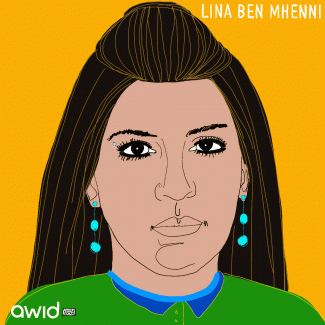
“I want to tell all Tunisians: We have to unite to say no to censorship and opinion trials.” - Lina Ben Mhenni (2013 interview)
“It’s true that information and the internet are important but being on the ground is crucial for a revolution. Some people here in Tunisia think that change can occur just by clicking like on the internet. I believe you have to be active on the ground. And of course, join actions on the field with the action on the web.” - Lina Ben Mhenni (Interview in POCIT)
In 2010, she co-organized a protest that challenged the government suppression of media and internet censorship. Lina was widely known for her blog “A Tunisian Girl” and recognized for her work during the Tunisian revolution in 2011. In her blog, she reported on the news from the uprising, shared images documenting protests and was among the few voices who spoke about the killings and crackdown on protesters in Sidi Bouzid. Lina blogged using her real name instead of a pseudonym to protect her identity, one of only a few bloggers to do so.
“Our freedom of expression is in real danger. I am afraid that we are losing the unique fruits of the revolution: the disappearance of fear and our freedom of speech. We have to keep on fighting to protect and preserve this right.” — Lina Ben Mhenni (2013 interview)
Lina was only 36 years old when she passed away on 27 January 2020, as a result of complications from an autoimmune disease.
"Freedom, better education and health - that's all we wanted. When we failed, she pushed us." Lina’s school teacher Hala.
In response to these challenges, we collaborated with Impactmapper to co-create a comprehensive resource that combines two powerful tools to strengthen the funding ecosystem for social justice movements.
por Ana María Belique
El Batey Naranjo es una comunidad un poco retirada de la ciudad, pero repleta de personas trabajadoras, llenas de entusiasmo. (...)
< arte: «Tejedoras de sueños», Diana Mar
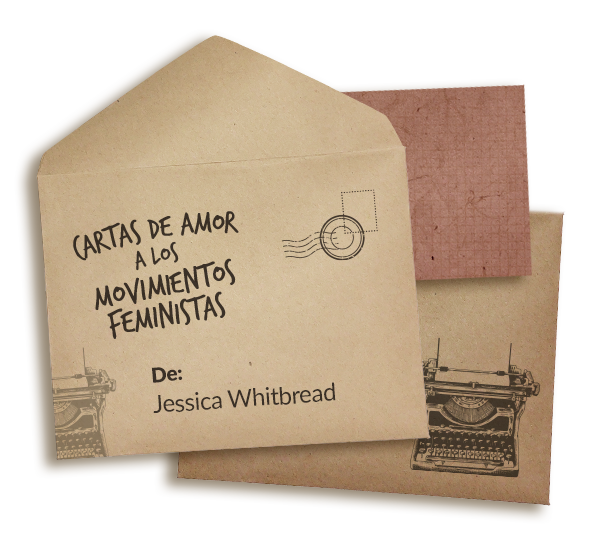
Llevamos juntxs más de 20 años; el amor y apoyo de ustedes me es muy entrañable. Es interesante pensar que ustedes también tienen una edad similar a la de AWID, que somos contemporáneas, tratando de descubrir cómo comprometernos y apoyar a la comunidad. A las madres del movimiento: sus liderazgos y orientación han sido inigualables. Pienso en Prudence Mabele, Kate Thompson, Darien Taylor, Patricia Pérez, Martha Tholanah, Deloris Dockery, Iris De La Cruise, Doris Peltier, Cecilia Chung y tantxs otras. Aunque no son perfectxs (ya que ningunx de nosotrxs lo es), ustedes siempre ponen a su comunidad en primer lugar y abogan por la inclusión de TODXS lxs mujeres que viven con el VIH en los espacios feministas.
Amo la forma en que me sostuvieron cuando nadie más había podido hacerlo, pero lo más importante es cómo nos sostuvimos mutuamente. Ustedes comprenden el estigma, la discriminación, la violencia y el dolor, y también comprenden la alegría, el amor y el perdón. Como feministas que vivimos con el VIH, somos gloriosas y poderosas en nuestra interseccionalidad. Entendemos que el feminismo incluye y que está liderado por comunidades — las de nuestras hermanas negras, marronas e indígenas, las comunidades trans y de género diverso, lxs trabajadorxs sexuales, lxs queer/lesbianas, lxs que han sido encarceladxs y lxs que usan drogas —, tal y como se establece en los principios de la MPPVS (mayor participación de las personas que viven con el VIH y el sida). Practicamos un feminismo incluyente. Hablamos de los temas difíciles y de las comunidades criminalizadas, porque como personas que vivimos con el VIH, nosotrxs mismxs estamos criminalizadxs.
Sería muy desconsiderada si no le enviara un cariño especial a lxs mujeres jóvenes que viven con el VIH, que son el latido del movimiento. Lxs veo, Kia Lebejia, Keren Dunaway, Liz Onyango, Faith Ona, Sara Thapa Maga, Doreen Moraa, Yana Panfilova y millones de otrxs increíbles activistas que viven con el VIH. Ustedes son la energía que nos seguirá impulsando y que nos permitirá ser consideradxs importantes en los movimientos feministas hegemónicos. Gracias por hacer avanzar cada vez más a nuestro movimiento para incluir SIEMPRE a las personas trans y de género diverso, para hablar de las relaciones entre el cambio climático y la salud y los derechos sexuales y reproductivos.
Lxs quiero, quiero, quiero mucho. Para bien o para mal, avancemos juntxs porque esta es nuestra comunidad, esta es mi comunidad.
Con amor,
Jessica Whitbread
Gloria Chicaiza, una activista social y ambiental ecuatoriana, fue una ferviente defensora de la tierra y el agua. Desafió el statu quo, al luchar contra un modelo de desarrollo basado en la extracción, y trabajó incansablemente por la justicia ecológica y los derechos de las comunidades afectadas por la minería.
Gloria participó en las acciones de resistencia para la protección del ecosistema en distintas áreas de Ecuador. Con pasión y dedicación, Gloria apoyó al movimiento indígena y ambiental, a sus comunidades y a las organizaciones que se oponen a los proyectos de minería y protegen sus territorios y sus proyectos de vida colectivos. En foros locales e internacionales, se pronunció contra la criminalización del disenso y la resistencia, contra la presión y la violencia ejercidas contra lxs activistas comunitarixs (y, en particular, contra las defensoras de derechos humanos), y a favor de los esfuerzos comunitarios por la soberanía alimentaria y la sustentabilidad.
Fue Coordinadora del Área de Justicia Minera de Acción Ecológica, participó en la Red Latinoamericana de Mujeres Defensoras de Derechos Sociales y Ambientales, e integró la Junta Directiva del Observatorio de Conflictos Mineros de América Latina (OCMAL).
En octubre de 2010, la compañía minera Curimining/Salazar Resources S.A. (con sede en Vancouver, Canadá) acusó a Gloria de auspiciar un acto de terrorismo, sabotaje y asociación ilícita para delinquir. Acción Ecológica consideró que esto fue «en represalia por su trabajo de denuncia de los impactos de las actividades mineras en el país».
En 2014 Gloria apoyó la coordinación de una delegación a la Conferencia Internacional sobre Cambio Climático (COP 20) de la ONU. El grupo estuvo integrado por veinticinco mujeres indígenas de América Latina.
Gloria falleció el 28 de diciembre de 2019 por complicaciones de un trasplante de pulmón. Es recordada por su resistencia y su incansable trabajo.
«El camino más rápido para llegar a la sustentabilidad sigue siendo la resistencia.» - Gloria Chicaiza (entrevista de 2010)
«Para GLORIA. GLORIA Agua. GLORIA Tierra. GLORIA Madre. GLORIA Revolución. GLORIA Hermana. GLORIA Cielo. GLORIAmiga. GLORIAstral. Gracias por entretejernos.» - Liliana Gutiérrez
«Gracias Glorita, por sostener la esperanza, por mantener el tejido fuerte, por conectar la comunidad, por las manos unidas, por la solidaridad, gracias Glorita por acompañarnos en los momentos más difíciles. Gracias por enseñarnos que, a lo largo de la vida, nadie se cansa.» - Chakana News
«Fue más intrépida, más audaz y más generosa que su cuerpo; ese cuerpo que enfrentó toletes y bombas lacrimógenas, que paseó bajo la cadencia de los tambores y las batucadas, que incubó otra vida, hermosa y digna, como la suya. Haz dejado de toser, querida amiga, pero hoy, más que nunca, tu voz me quema adentro.» - Pablo Ospina Peralta
«Gloria Chicaiza valoraba ser una de muchxs, y así prosperaba. Y, humilde como era, tenía una extraordinaria capacidad para llevar y mantener un ritmo sostenido y estruendoso, un pulso de afirmación de la vida que guiaba, movilizaba e inspiraba a las comunidades y a las redes para la protección de la Madre Tierra. Se oponía a toda forma de violencia contra los cuerpos-territorios. Apoyaba el buen vivir.» - Gabriela Jiménez, Coordinadora de Asociaciones para América Latina, KAIROS
«Gracias Gloria Chicaiza, desde el infinito estamos seguros de que seguirás apoyando nuestra lucha.. Tú, que continuaste acompañándonos en la lucha a pesar de que tu salud fallara. Vivirás en los bosques y en el agua que defendiste con tanta valentía, vivirás en nuestros corazones.» - Comunidad de Intag, Ecuador
El Foro es un ejemplo vivo de lo que el más grande NOSOTRXS podemos hacer. Vamos al Foro, somos semillas, luego nos sembramos. Esto lo tenemos que celebrar.
- Sara Abu Ghazal, Líbano