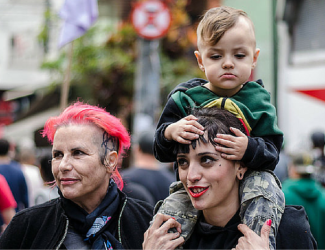
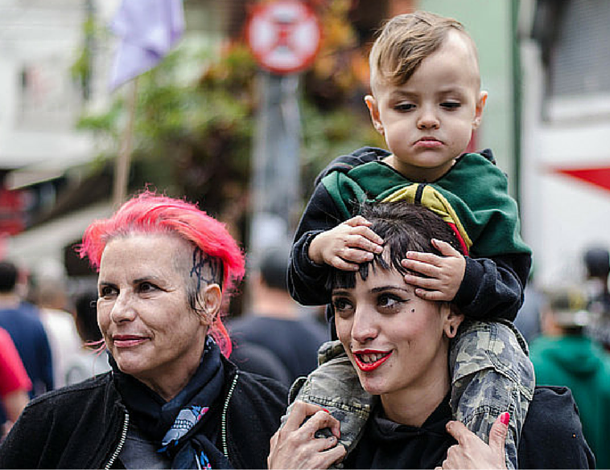
Flickr/Leonardo Veras (CC BY 2.0)

Special Focus

AWID is an international, feminist, membership organisation committed to achieving gender equality, sustainable development and women’s human rights

Protection of the Family

The Issue

Over the past few years, a troubling new trend at the international human rights level is being observed, where discourses on ‘protecting the family’ are being employed to defend violations committed against family members, to bolster and justify impunity, and to restrict equal rights within and to family life.

The campaign to "Protect the Family" is driven by ultra-conservative efforts to impose "traditional" and patriarchal interpretations of the family, and to move rights out of the hands of family members and into the institution of ‘the family’.

“Protection of the Family” efforts stem from:

  • rising traditionalism,
  • rising cultural, social and religious conservatism and
  • sentiment hostile to women’s human rights, sexual rights, child rights and the rights of persons with non-normative gender identities and sexual orientations.

Since 2014, a group of states have been operating as a bloc in human rights spaces under the name “Group of Friends of the Family”, and resolutions on “Protection of the Family” have been successfully passed every year since 2014.

This agenda has spread beyond the Human Rights Council. We have seen regressive language on “the family” being introduced at the Commission on the Status of Women, and attempts made to introduce it in negotiations on the Sustainable Development Goals.


Our Approach

AWID works with partners and allies to jointly resist “Protection of the Family” and other regressive agendas, and to uphold the universality of human rights.

In response to the increased influence of regressive actors in human rights spaces, AWID joined allies to form the Observatory on the Universality of Rights (OURs).  OURs is a collaborative project that monitors, analyzes, and shares information on anti-rights initiatives like  “Protection of the Family”.

Rights at Risk, the first OURs report, charts a map of the actors making up the global anti-rights lobby, identifies their key discourses and strategies, and the effect they are having on our human rights.   

The report outlines “Protection of the Family” as an agenda that has fostered collaboration across a broad range of regressive actors at the UN.  It describes it as: “a strategic framework that houses “multiple patriarchal and anti-rights positions, where the framework, in turn, aims to justify and institutionalize these positions.”
 

Related Content

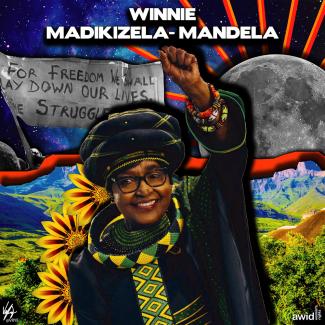
Winnie Madikizela- Mandela

A Winnie la han descripto como una «militante agitadora» que luchó contra el régimen  del apartheid en Sudáfrica.

Fue encarcelada numerosas veces y en varias ocasiones fue encerrada en celdas de aislamiento. Ma’Winnie, como la recuerdan afectuosamente, era conocida por hablar abiertamente sobre los desafíos que las mujeres negras enfrentaron durante y después del apartheid, habiendo sido ella misma sometida a esas brutalidades como madre, esposa y activista durante la lucha. Fue más allá del concepto erróneo que sostiene que el liderazgo está basado en el género, la clase o la raza. A pesar de haber sido una figura controvertida, es recordada por muchxs por su nombre en xhosa, «Nomzamo», que significa «la que soporta las pruebas».

Ma’Winnie sigue siendo una inspiración para muchxs, especialmente las jóvenes sudafricanas.

Su muerte incentivó un creciente movimiento bajo el lema: «Ella no murió, se multiplicó».


Winnie Madikizela-Mandela, South Africa

على من يجب تعبئة الاستطلاع؟

المجموعات، المنظمات والحركات التي تعمل خصوصاً وبالأساس على حقوق النساء، حقوق الفتيات، العدالة الجندرية، حقوق مجتمعات الميم - عين وحلفائها/يفاتها في جميع المناطق وعلى جميع المستويات، إن كانت مجموعات جديدة أو قديمة.

Je suis novice dans ce domaine et beaucoup de concepts me semblent déroutants. Pouvez-vous m’aider ?

Snippet intro text_Festival (EN)

¡Nuestro festival tuvo 130 presentadorxs, facilitadorxs y artistas, de 43 países, a lo largo de más de 40 sesiones!

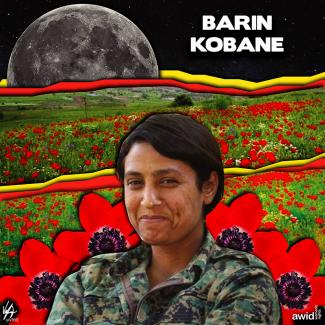
Barin Kobane

Barin était membre de l’unité de combat exclusivement féminine des Unités de protection du peuple kurde (YPG).

Elle a été tuée alors qu’elle était en service actif.

La journaliste libanaise Hifaa Zuaiter a écrit : « Barin représente tout ce que nous avons entendu à propos du courage des femmes kurdes et sa mort représente bien plus que le meurtre d’un-e rival-e ou une perte résultant d’une lutte politique ou ethnique. L’exhibition monstrueuse de sa dépouille par un groupe de rebelles syriens  provient du fait qu’en tant que femme combattant sur un champ de bataille réservé aux hommes, elle a osé menacer l’hégémonie masculine ».


Barin Kobane, Kurdistan

Что подразумевается под внешним финансированием?

Внешнее финансирование включает гранты и другие формы финансирования от благотворительных фондов, правительств, двусторонних, многосторонних или корпоративных спонсоров и индивидуальных доноров – как внутри вашей страны, так и из-за рубежа. Сюда не входят ресурсы, которые группы, организации и/или движения генерируют самостоятельно, такие как, например, членские взносы, добровольные взносы "сотрудниц(-ков), участниц(-ков) и/или сторонниц(-ков), сборы через сообщество, сдача помещений в аренду или продажа услуг. Для удобства в опрос включены определения различных видов финансирования и краткие описания различных доноров.

I am a women human rights defender (WHRD) and am currently under threat. Where can I go for help?

Snippet SM CTA_Fest (ES)

Síguenos en las redes sociales y comparte sus momentos favoritos de nuestro festival:

Facebook: @AWIDWomensRights
Instagram: @awidwomensrights
Twitter ES: @awid_es
LinkedIn: Association for Women's Rights in Development (AWID)

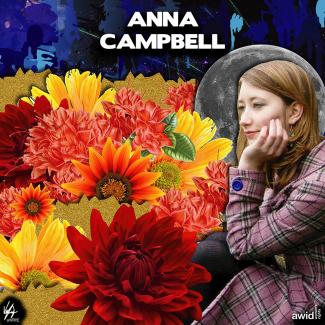
Anna Campbell (şehid Hêlîn Qerecox)

Anna grew up in Lewes, Sussex (UK) and, after deciding not to pursue her English degree at Sheffield University, she moved to Bristol and became a plumber.

She spent much of her time defending the marginalised and under-privileged, attending anti-fascist rallies, and offering support to the women of Dale Farm when they were threatened with eviction. A vegan and animal lover, she attended hunt sabotages and her name is honoured on PETA's 'Tree of Life' Memorial. Anna went to Rojava in May 2017 with a strong commitment to women's empowerment, full representation of all ethnicities and protection of the environment.

Anna died on March 15, 2018 when she was hit by a Turkish airstrike in the town of Afrin, northern Syria. Anna was fighting with the Women's Protection Forces (YPJ), when she was killed.


Anna Campbell (şehid Hêlîn Qerecox), UK

O meu idioma não é um dos oficiais do inquérito, e estou a ter dificuldades a preencher o mesmo. O que posso fazer?

A AWID compromete-se a alcançar a justiça linguística e lamentamos que, neste momento, não seja viável disponibilizar um inquérito do WITM em mais idiomas. No entanto, caso precise de apoio com traduções ou queira preencher o inquérito em qualquer outro idioma, entre em contacto connosco através de witm@awid.org.

2008: la Conferencia Internacional de Doha se lleva a cabo con resultados limitados

Conferencia Internacional de Seguimiento sobre la Financiación para el Desarrollo, Doha, Qatar

  • La Conferencia de Doha se propuso examinar la aplicación del Consenso de Monterrey. Retomó las seis áreas de la financiación para el desarrollo, pero los progresos sustantivos alcanzados fueron mínimos.
  • Si bien el Documento Final de Doha fue más allá que el de Monterrey en cuanto a la igualdad de género, tampoco avanzó lo suficiente. En su declaración, el WWG subrayó que los compromisos de la Declaración de Doha en materia de igualdad de género solo tendrán sentido si se abordan decididamente las cuestiones sistemáticas que subyacen a la pobreza y la distribución desigual de poder y recursos en la economía política global.
  • Además de la conferencia central, en Doha se desarrolló un foro paralelo de la sociedad civil organizado por el Doha NGO Group for Financing for Development [Grupo de ONG en Doha por la Financiación para el Desarrollo, DNG en inglés] que exigió cambios estructurales en la economía global, así como políticas que dieran prioridad a los derechos de los pueblos, respetaran y promovieran los derechos humanos.

Snippet Video C&H (FR)

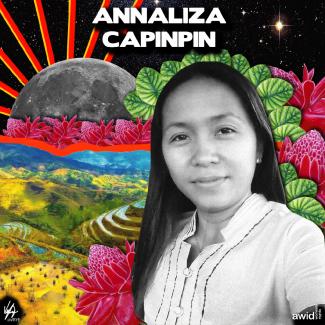
Annaliza Dinopol Gallardo Capinpin

Conocida como «Ate Liza», Annaliza era la presidenta del Consejo de la Reforma Agraria para lxs Pionerxs de Mindanao, un grupo coodinador general en Tacurong City, Filipinas.

Querida madre de cuatro hijxs, maestra y líder comunitaria, Annaliza es recordada por su comunidad como «la que lidera cuando nadie quiere liderar, la que habla cuando nadie quiere hablar, la que se puso de pie con coraje para ayudar a lxs beneficiarxs de la reforma agraria a ser dueñxs de sus tierras».

Atacantes desconocidos la ultimaron a balazos en frente de la Universidad Estatal Sultán Kudarat (SKSU), mientras se dirigía a la Escuela Secundaria Nacional Salabaca, en Esperanza.

Su familia ha dicho: «Naghihintay pa rin kami ng hustisya para sa kanya» (todavía estamos esperando justicia para ella).


لم تتلق مجموعتنا التمويل بشكل متواصل بين الأعوام 2021-2023. هل علينا تعبئة الاستطلاع؟

نعم. نريد السماع منكم/ن دون أي علاقة ان حصلتم/ن على تمويل لثلاثة أعوام أو عامين أو عام واحد في السنوات 2021-2023.

2014: lacement du processus préparatoire de la 3ème Conférence sur le FdD

Lancement du processus préparatoire intergouvernemental de la troisième Conférence sur le financement du développement, octobre 2014

  • Un processus préparatoire, co-facilité par l’ambassadeur guyanais George Wilfred Talbot et l’ambassadeur norvégien Geir O. Pedersen, a été instauré pour mener des discussions préliminaires relatives à la troisième Conférence sur le FdD prévue en juillet 2015 à Addis Abeba, en Éthiopie.
  • Dans le cadre de ces préparations, deux séries de séances de fond informelles ont été organisées au siège  de l’ONU à New York  afin d’apporter des éléments d’information pouvant servir aux sessions de rédaction du futur document final.
  •  À cette occasion, le WWG sur le FdD a été réactivé dans le but d’intégrer les perspectives féministes et de défense des droits des femmes aux discussions et délibérations, avant et pendant la troisième Conférence sur le FdD. À l’heure actuelle, le groupe est co-animé par l’AWID, Development Alternatives with Women for a New Era (DAWN) et la Feminist Task Force (FTF).
  • Le WWG sur le FdD a prononcé deux déclarations  lors de la première série de sessions et présenté un document écrit lors de la seconde. Il a, dans les deux cas, souligné l’invisibilité des inégalités entre les genres dans ce processus préparatoire, tout comme celle de l’inclusion d’autres formes de discrimination et d’inégalité. Le travail du WWG met en lumière les rapports de pouvoir entre les genres et leurs points d’intersection avec d’autres catégories, telles que la race, le handicap, l’appartenance ethnique, l’âge, la richesse et l’identité sexuelle, ce qui accentue la répartition inégale des chances et des ressources dans toutes les sociétés de la planète.
  •  Les organisations de la société civile se sont dites inquiètes de l’étroitesse de l’espace qui leur a été accordé pour prendre part aux deux sessions de fond informelles. Elles ont notamment évoqué le risque que l’espace de participation de la société civile aux négociations portant sur le document final de janvier 2015 ne soit lui aussi limité.

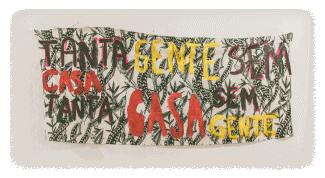
Snippet FEA Tanta Gente sem casa (EN)

A graphic with green feather patterns on a beige background, text on it in Portuguese says “Tanta Gente sem casa. tanta casa sem gente” which means "So many people without a home,  so many homes without people"

So many people without a home, so many homes without people.