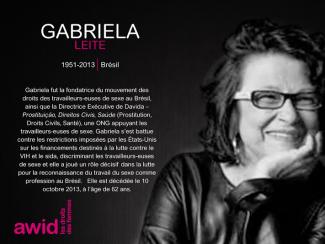
Gabriela Leite
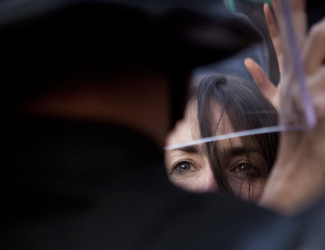
WHRDs are self-identified women and lesbian, bisexual, transgender, queer and intersex (LBTQI) people and others who defend rights and are subject to gender-specific risks and threats due to their human rights work and/or as a direct consequence of their gender identity or sexual orientation.
WHRDs are subject to systematic violence and discrimination due to their identities and unyielding struggles for rights, equality and justice.
The WHRD Program collaborates with international and regional partners as well as the AWID membership to raise awareness about these risks and threats, advocate for feminist and holistic measures of protection and safety, and actively promote a culture of self-care and collective well being in our movements.
WHRDs are exposed to the same types of risks that all other defenders who defend human rights, communities, and the environment face. However, they are also exposed to gender-based violence and gender-specific risks because they challenge existing gender norms within their communities and societies.
We work collaboratively with international and regional networks and our membership
We aim to contribute to a safer world for WHRDs, their families and communities. We believe that action for rights and justice should not put WHRDs at risk; it should be appreciated and celebrated.
Promoting collaboration and coordination among human rights and women’s rights organizations at the international level to strengthen responses concerning safety and wellbeing of WHRDs.
Supporting regional networks of WHRDs and their organizations, such as the Mesoamerican Initiative for WHRDs and the WHRD Middle East and North Africa Coalition, in promoting and strengthening collective action for protection - emphasizing the establishment of solidarity and protection networks, the promotion of self-care, and advocacy and mobilization for the safety of WHRDs;
Increasing the visibility and recognition of WHRDs and their struggles, as well as the risks that they encounter by documenting the attacks that they face, and researching, producing, and disseminating information on their struggles, strategies, and challenges:
Mobilizing urgent responses of international solidarity for WHRDs at risk through our international and regional networks, and our active membership.
Anna creció en Lewes, Sussex (Reino Unido) y se mudó a Bristol, donde se hizo plomera, luego de decidir que no iba a continuar con su carrera de Inglés en la Universidad de Sheffield.
Dedicó mucho de su tiempo a defender a las personas marginadas y sin privilegios, a participar de marchas antifascistas y a ofrecer apoyo a las mujeres de la Granja Dale cuando estuvieron bajo amenaza de desalojo. Vegana y amante de los animales, participó en sabotajes a partidas de caza y su nombre es honrado en el Monumento «Árbol de la vida», de PETA. En mayo de 2017, Anna se trasladó a Rojava llevada por su fuerte compromiso con el empoderamiento de las mujeres, la plena representación de todas las identidades étnicas y la protección del ambiente.
Murió el 15 de marzo de 2018, al ser alcanzada durante un bombardeo aéreo de fuerzas turcas a la ciudad de Afrin, en el norte de Siria. Anna cayó combatiendo junto a las Unidades de Protección de las Mujeres (YPJ).

Absolutamente, estas perguntas são opcionais, e valorizamos o seu direito de permanecer anónimo. Queira preencher o inquérito independentemente da sua decisão de partilhar o nome do seu grupo, organização e/ou movimento e as respetivas informações de contacto connosco.
The AWID Forum is just one stop in the Feminist Realities journey. Let’s travel this path together and explore our power in action!
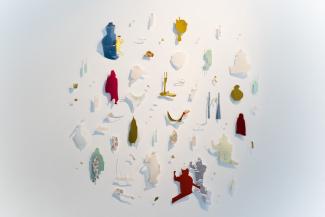
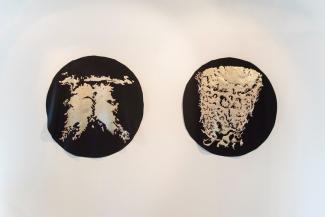
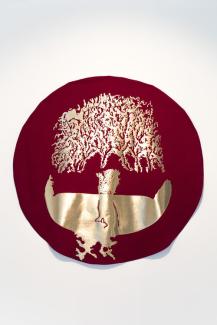
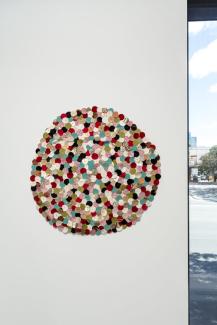
An exhibition by Nicole Barakat, embodying her reconnection with the diaspora of objects from her ancestral homelands in the South West Asia and North Africa (SWANA) region.
Barakat presents a collection of textile works as manifestations of her practice of engaging with displaced, and often stolen objects held within Western museum collections including the Louvre, British Museum and Nicholson Museum.
To by-pass the gatekeepers and breach the vitrines holding these ancestral objects, Barakat reclaims pre-colonial, non-linear, receptive forms of knowing that are often devalued and dismissed by colonial and patriarchal institutions - engaging with coffee cup divination, dream-work, intuitive listening and conversations with the objects themselves (source).
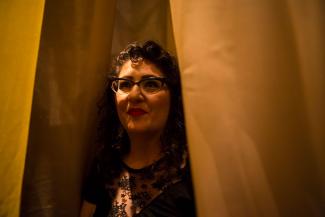
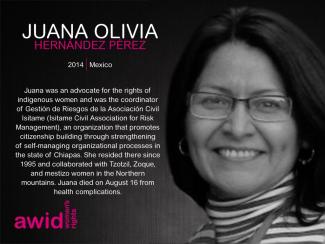
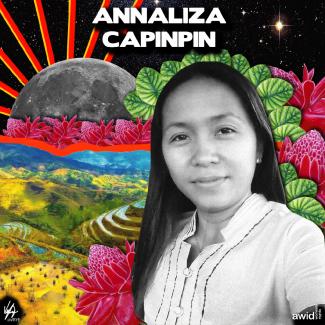
Annaliza était la présidente du Conseil de réforme agraire des pionniers de Mindanao, un groupe de coordination de la ville de Tacurong, aux Philippines.
Mère aimée de quatre enfants, sa communauté se souvient d’Annaliza comme de « celle qui dirige quand personne ne veut diriger, qui parle quand personne ne veut parler, qui a eu le courage d'aider les bénéficiaires de la réforme agraire à acquérir des terres ».
Annaliza a été abattue par des assaillants inconnus devant l'Université d'État de Sultan Kudarat (SKSU) alors qu'elle se rendait au lycée national Salabaca à Esperanza.
Sa famille a déclaré : « Naghihintay pa rin kami ng hustisya para sa kanya » (nous attendons toujours que justice lui soit rendue).

سنقوم بتحليل الردود على الاستطلاع للوصول للاستنتاجات الأساسية والنتائج خلال المنتدى العالمي ل AWID في بانكوك، وعن طريق الانترنت في ديسمبر (كانون الأول) 2024. الرجاء التسجيل هنا لحضور المنتدى.
En la Comisión Africana y en el Sistema Interamericano, los actores antiderechos impulsan nociones esencialistas de cultura y género para impedir el avance de los derechos y socavar las responsabilidades. Como vemos, los actores anti-derechos están ejerciendo su influencia sobre los sistemas regionales de derechos humanos, así como en los espacios internacionales.
La Comisión Africana de Derechos Humanos y de los Pueblos ha comenzado a definir a los derechos sexuales y de las mujeres como un menoscabo a su capacidad de ocuparse de los «derechos reales» y como contrarios a los «valores africanos», con lo cual se establece un precedente anti-derechos preocupante. La anulación del estatus de observador de la Coalición de Lesbianas Africanas es un ejemplo de esta tendencia y muestra la forma en que el espacio para el involucramiento feminista panafricanista está siendo restringido.
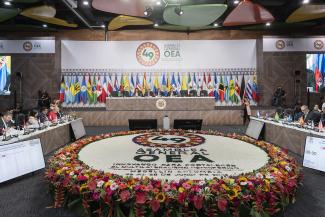
En la Organización de Estados Americanos (OEA) y en el Sistema Interamericano de Protección de los Derechos Humanos, las estrategias anti-derechos incluyen la oenegización de grupos religiosos, la utilización de discursos seculares, y la cooptación de marcos de discriminación. La influencia antiderechos se ha materializado de diversas maneras, que incluyen la intimidación de activistas trans y la obstrucción de la introducción de lenguaje progresista en las resoluciones.
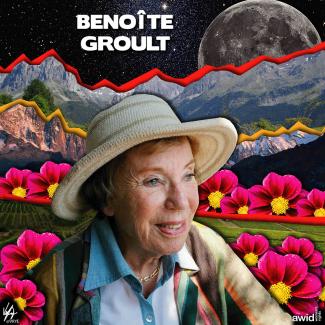
Benoîte was a French journalist, writer, and feminist activist.
She published more than 20 novels as well as many essays on feminism.
Her first book “Ainsi Soit-Elle” (loosely translated as “As She Is”) was published in 1975. The book explored the history of women’s rights as well as misogyny and violence against women.
Her last book, “Ainsi Soit Olympe de Gouges,” explored women’s rights during the French Revolution, centering on the early French feminist Olympe de Gouges. De Gouges was guillotined in 1793 for challenging male authority and publishing a declaration of women’s rights (“Déclaration Des droits de la Femme et de la Citoyenne”) two years earlier.
Cette communauté est un endroit de connexions, où l’on comprend nos combats individuels comme faisant partie de luttes mondiales, et où l’on peut même parfois danser ! Il n’existe aucun endroit de la sorte en ligne, où être en contact avec des activistes de terrain, qui viennent du monde entier, et forger de la solidarité et de la sororité..- Paz Romero, Argentina
par Karina Ocampo
C’est dans un recoin caché du Chiapas, au Mexique, que nous sommes arrivées, femmes et dissidentes sexuelles, pour organiser nos actions. (...)
< illustration : « La muerte sale por el Oriente » [la mort se lève à l’Est], par Sonia Madrigal
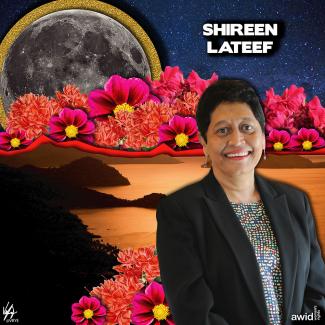
Shireen fue una inspiración para muchas feministas en Fiyi y una aliada poderosa del movimiento de mujeres.
Abogó incansablemente por la igualdad de género tanto a nivel local como regional. Comenzó su carrera como especialista junior en género en el Banco de Desarrollo Asiático e introdujo profundos cambios en las políticas de género de la institución. Su investigación «Gobernar mediante lxs danda: violencia doméstica entre lxs indo-fiyianxs» fue uno de los primeros trabajos de investigación sobre violencia doméstica, matrimonio y mujeres en Fiyi. Este trabajo fundacional ha sido un catalizador para el trabajo feminista en esta área.
El legado de Shireen sigue vivo porque son muchxs lxs que recuerdan su influencia, su compromiso y su apoyo al movimiento de mujeres de Fiyi y del Pacífico.