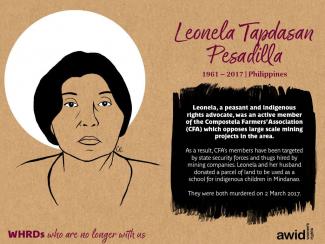
Leonela Tapdasan Pesadilla
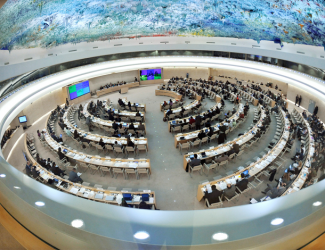
The Human Rights Council (HRC) is the key intergovernmental body within the United Nations system responsible for the promotion and protection of all human rights around the globe. It holds three regular sessions a year: in March, June and September. The Office of the UN High Commissioner for Human Rights (OHCHR) is the secretariat for the HRC.
Debating and passing resolutions on global human rights issues and human rights situations in particular countries
Examining complaints from victims of human rights violations or activist organizations on behalf of victims of human rights violations
Appointing independent experts (known as “Special Procedures”) to review human rights violations in specific countries and examine and further global human rights issues
Engaging in discussions with experts and governments on human rights issues
Assessing the human rights records of all UN Member States every four and a half years through the Universal Periodic Review
AWID works with feminist, progressive and human rights partners to share key knowledge, convene civil society dialogues and events, and influence negotiations and outcomes of the session.
This year, we, alongside feminist activists from across the world, will be at CSW68 in New York, to challenge capitalist, neoliberal narratives and false solutions around poverty, development and financing. Through in-person events, lives on our socials, an exhibit booth and more; we are showing up to convene, amplify and support the voices and participation of our members, partners and allies.
Learn more about our program this year below.
 |
 |
 |
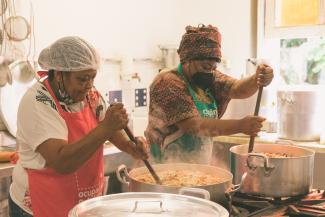
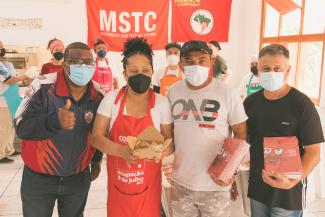 Mujeres y colaboradorxs en la cocina de Ocupação 9 de Julho |
 |

La première session de rédaction du document final de la troisième Conférence sur le financement du développement
✉️ Sur invitation uniquement
📅Mardi 12 mars
🕒14 h - 15 h 30 HNE
Organisateur : Consortium de l'Observatoire sur l'universalité des droits (OURs)
🏢Blue Gallery, 222 E 46th St, New York
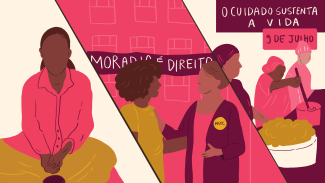
Le logement est un droit | Les soins soutiennent la vie
The United Nations (UN) Financing for Development (FfD) process seeks to address different forms of development financing and cooperation. As per the Monterrey Consensus it focuses on six key areas:
Through in-person events, lives on our socials, an exhibit booth and more; we are showing up to convene, amplify and support the voices and participation of our members, partners and allies.
Together we will Reclaim Feminist Power by uplifting feminist alternatives and visions around economies that center collective systems of care and nurture both the planet and people.
Follow us on social media for more details on how to participate! Be part of the conversations using the hashtags #AWIDatCSW68 and #ReclaimFeministPower.
Instagram | Facebook | LinkedIn | X (Twitter)
 |
 |
 |
 |
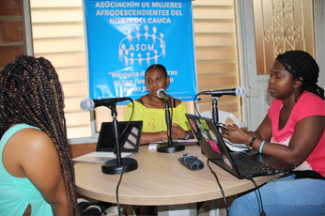 |
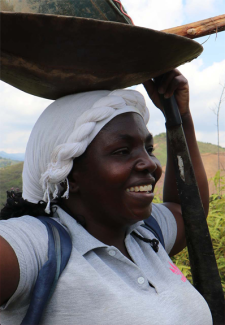
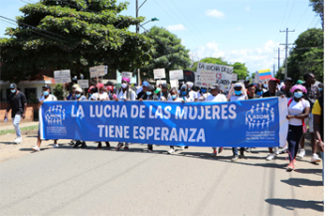
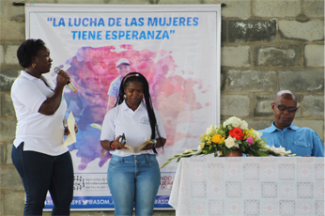
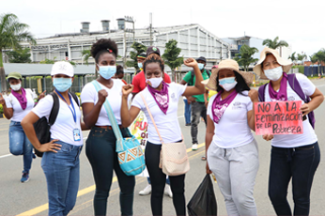
ASOM’s activists in encounters, parades and events
The call for session proposal is now closed.
We launched a Call for Activities on November 19 2019 and the last date to receive proposals was February 14, 2020.

To share your lived experience with mobilizing funding for your organizing
Ven a conocer a Aura Roig, activista feminista visionaria, antropologa y directora-fundadora de la cooperativa Metzineres.
Dedicó las últimas dos décadas a la investigación, el diseño y la implementación de políticas con perspectivas de reducción de daños, derechos humanos y feminismo interseccional.
Después de experimentar y aprender de comunidades que usan drogas a través del mundo, volvió a Barcelona y creó la Xarxa de Dones que Usen Drogues (la Red de Mujeres que Usan Drogas, XADUD). XADUD era un espacio de apoyo mutuo y de solidaridad con la lucha por los derechos de los grupos marginalizados que, más tarde, se convirtió en la cooperativa Metzineres.
Actualmente, Aura está trabajando para expandir el modelo Metzineres y brindar apoyo a grupos más grandes, al mismo tiempo que documenta ampliamente su prolífico viaje y aprendizaje.
Related content
Reporters without Borders: India: Prominent woman journalist gunned down in Bangalore
BBC: Gauri Lankesh: Indian journalist shot dead in Bangalore
Committee to Protect Journalists: Gauri Lankesh Killed
BBC: Gauri Lankesh: Murdered Indian journalist in her own words
The Guardian: The murder of journalist Gauri Lankesh shows India descending into violence
Financial Times - Gauri Lankesh, journalist and activist, 1962-2017
The New York Times: Why was Gauri Lankesh killed?