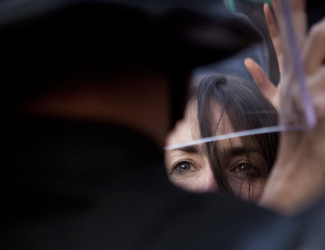
Philippe Leroyer | Flickr (CC BY-NC-ND 2.0)

Women Human Rights Defenders

WHRDs are self-identified women and lesbian, bisexual, transgender, queer and intersex (LBTQI) people and others who defend rights and are subject to gender-specific risks and threats due to their human rights work and/or as a direct consequence of their gender identity or sexual orientation.

WHRDs are subject to systematic violence and discrimination due to their identities and unyielding struggles for rights, equality and justice.

The WHRD Program collaborates with international and regional partners as well as the AWID membership to raise awareness about these risks and threats, advocate for feminist and holistic measures of protection and safety, and actively promote a culture of self-care and collective well being in our movements.


Risks and threats targeting WHRDs  

WHRDs are exposed to the same types of risks that all other defenders who defend human rights, communities, and the environment face. However, they are also exposed to gender-based violence and gender-specific risks because they challenge existing gender norms within their communities and societies.

By defending rights, WHRDs are at risk of:

  • Physical assault and death
  • Intimidation and harassment, including in online spaces
  • Judicial harassment and criminalization
  • Burnout

A collaborative, holistic approach to safety

We work collaboratively with international and regional networks and our membership

  • to raise awareness about human rights abuses and violations against WHRDs and the systemic violence and discrimination they experience
  • to strengthen protection mechanisms and ensure more effective and timely responses to WHRDs at risk

We work to promote a holistic approach to protection which includes:

  • emphasizing the importance of self-care and collective well being, and recognizing that what care and wellbeing mean may differ across cultures
  • documenting the violations targeting WHRDs using a feminist intersectional perspective;
  • promoting the social recognition and celebration of the work and resilience of WHRDs ; and
  • building civic spaces that are conducive to dismantling structural inequalities without restrictions or obstacles

Our Actions

We aim to contribute to a safer world for WHRDs, their families and communities. We believe that action for rights and justice should not put WHRDs at risk; it should be appreciated and celebrated.

  • Promoting collaboration and coordination among human rights and women’s rights organizations at the international level to  strengthen  responses concerning safety and wellbeing of WHRDs.

  • Supporting regional networks of WHRDs and their organizations, such as the Mesoamerican Initiative for WHRDs and the WHRD Middle East and North Africa  Coalition, in promoting and strengthening collective action for protection - emphasizing the establishment of solidarity and protection networks, the promotion of self-care, and advocacy and mobilization for the safety of WHRDs;

  • Increasing the visibility and recognition of  WHRDs and their struggles, as well as the risks that they encounter by documenting the attacks that they face, and researching, producing, and disseminating information on their struggles, strategies, and challenges:

  • Mobilizing urgent responses of international solidarity for WHRDs at risk through our international and regional networks, and our active membership.

Related Content

هل سيفتح الباب لتقديم المقترحات؟

"نعم! يرجى قراءة الدعوة للمشاركة والتقدم هنا . الموعد النهائي هو 15 يناير 2024" .

No encontré la respuesta a mi pregunta aquí

Para preguntas adicionales, por favor escríbenos utilizando nuestro formulario de contacto. Selecciona «14o Foro de AWID» como asunto de mensaje.

Contáctanos


Molara Ogundipe

"Pero, ¿ fue el maestro alguna vez 
seducido por el poder?
¿Alguna vez se rompió
 un sistema con aceptación ?
¿Cuándo el JEFE te entregará el poder con amor?
¿En Jo'Burg, en Cancún o en la ONU? - Molara Ogundipe

En una entrevista, realizada en la Feria Internacional del Libro de Ghana de 2010, Molara Ogundipe se presentó con estas palabras "...Soy una nigeriana. He vivido, posiblemente, en todo el mundo, excepto en la Unión Soviética y China".

A través de los diferentes continentes y países, la profesora Ogundipe enseñó literatura comparada, escritura, género y filología inglesa, y utilizó la literatura como vehículo para la transformación social y el replanteamiento de las relaciones de género.

Molara Ogundipe, como pensadora, escritora, editora, crítica social, poeta y activista feminista, logró combinar el trabajo teórico con la creatividad y la acción práctica. Se la considera una de las principales voces críticas de los feminismos africanos, los estudios de género y la teoría literaria.  

Molara acuñó el concepto de "estiwanismo" a partir de las siglas STIWA (Social Transformations in Africa Including Women) [Transformaciones Sociales en África Incluyendo a las Mujeres], con el fin de reconocer la necesidad de “alejar la definición del feminismo y los feminismos en relación con Euro-América u otro lugar, y declamar lealtades o deslealtades". Con su obra fundamental, "Recreándonos Nosotras Mismas", de 1994, Molara Ogundipe (publicada bajo el nombre de Molara Ogundipe-Leslie) dejó tras de sí un inmenso cuerpo de conocimientos que descolonizó el discurso feminista y "re-centró a las mujeres africanas en sus completas y complejas narrativas... guiadas por una exploración de la liberación económica, política y social de las mujeres africanas y la restauración de la agencia femenina en las diferentes culturas de África".

Comentando los retos a los que se enfrentó como joven académica, dijo:

"Cuando empecé a hablar y escribir sobre el feminismo a finales de los años sesenta y en los setenta, se me veía como una chica buena y admirable que se había extraviado, una mujer cuya cabeza se había arruinado con un exceso de aprendizaje".

Molara Ogundipe se destacó por su liderazgo a la hora de combinar el activismo con el mundo académico; en 1977 fue una de las fundadoras de la Asociación de Mujeres en la Investigación y el Desarrollo, AAWORD (por sus siglas en inglés),. En 1982 fundó Mujeres en Nigeria, WIN (por sus siglas en inglés), con el fin de abogar por un acceso pleno a los "derechos económicos, sociales y políticos" para las mujeres nigerianas. Posteriormente, estableció y dirigió la Fundación Internacional para la Educación y el Monitoreo y pasó muchos años en el consejo editorial del periódico The Guardian.

Luego de haber crecido con el pueblo yoruba, sus tradiciones, cultura e idioma, dijo una vez:

"Creo que la celebración de la vida, de las personas que mueren después de una vida llena de logros, es uno de los aspectos más hermosos de la cultura yoruba".

El nombre de alabanza yoruba 'Oiki' de Molara era Ayike. Molara nació el 27 de diciembre de 1940 y falleció el 18 de junio de 2019 a la edad de 78 años, en Ijebu-Igbo, Estado de Ogun, Nigeria.
Snippet FEA Intro (EN)

Come meet the feminist economies we LOVE.

The economy is about how we organize our societies, our homes and workplaces. How do we live together? How do we produce food, organize childcare, provide for our health? The economy is also about how we access and manage resources, how we relate with other people, with ourselves and with nature.

Feminists have been building economic alternatives to exploitative capitalist systems for ages. These alternatives exist in the here and now, and they are the pillars of the just, fairer and more sustainable worlds we need and deserve.

We are excited to share with you a taste of feminist economic alternatives, featuring inspiring collectives from all around the world.

هل سيكون هناك دعم لترجمة لغة الإشارة بخلاف لغة الإشارة الدولية؟

إذا تم قبول مقترحك فسيتم الاتصال بك من قبل فريق جمعية حقوق المرأة في التنمية لتقييم احتياجات الترجمة الفورية وإمكانية الوصول والاستجابة لها.

¿Por qué AWID eligió Taipéi como ubicación del Foro?

Consideramos a  Taipéi como el mejor lugar de la región Asia-Pacífico para construir ese espacio seguro y rebelde destinado a nuestra comunidad feminista global.

Taipéi ofrece un cierto grado de estabilidad y seguridad para la diversidad de participantes que convocamos al Foro. Tiene también capacidad logística, y resulta accesible para muchxs viajerxs (con la facilitación de un trámite de visa electrónico para conferencias internacionales).

El Foro es bien recibido por el movimiento feminista local, que está muy interesado en interactuar con feministas de todo el mundo.

Lee más sobre nuestras consideraciones para elegir Taipéi

Yamile Guerra

Yamile Guerra était une avocate bien connue, leader communautaire et activiste politique dans la région de Santander en Colombie.

Activement impliquée dans la résolution de litiges entre les communautés locales et les promoteurs immobiliers, elle s’est battue contre l’appropriation des terres illégale. Yamile a occupé plusieurs fonctions politiques, dont celle de secrétaire générale du gouvernement de Santander à Bogota, et s’était également présentée comme candidate à la mairie de Bucaramanga. Au cours des dernières années de sa vie, Yamile s’était de plus en plus impliquée dans les causes environnementales, et particulièrement celle de la défense de la biodiversité des zones humides de Santurbán, une région qui approvisionnait près de deux millions de personnes en eau potable, contre les promoteurs du développement économique.

D’après sa famille et ses ami·e·s, Yamile recevait quotidiennement des menaces de mort et avait demandé la protection des autorités.

« Elle était tout à fait consciente de la question [du litige foncier] et avait à plusieurs reprises mentionné qu’elle se sentait en danger. » - Alixon Navarro Muñoz, journaliste et amie de la famille Guerra

Le 20 juillet 2019, Yamile a été tuée par balles par deux hommes à Floridablanca, Santander. Elle venait de clore une discussion avec eux en lien avec le litige foncier. Un suspect a ensuite été arrêté pour son meurtre, lequel a admis avoir été payé pour organiser son assassinat. Selon des rapports, Yamile est la troisième membre de sa famille a avoir été assassinée, en lien avec des litiges fonciers. Son père, Hernando Guerra, avait lui aussi été assassiné plusieurs années auparavant.

L’assassinat de Yamile s’inscrit dans une vague de violences et de meurtres systématiques de centaines d’activistes sociaux et défenseur·e·s des droits humains en Colombie. L’Institut d’études sur le développement et la paix (INDEPAZ) rapporte qu’au moment du décès de Yamile, plus de 700 leaders communautaires et activistes pour les droits humains ont été tué·e·s depuis la signature en août 2016 d’un traité de paix par la Colombie. La plupart furent assassiné·e·s pour s’être opposé·e·s à des trafics de drogue et des opérations minières; y compris les peuples autochtones, les Afro-Colombiens et les défenseures des droits humains étant les plus exposé·e·s.

Moins d’une semaine après le décès de Yamile, des milliers de Colombien·ne·s ont manifesté dans les petites et grandes villes, brandissant des photos en noir et blanc d’activistes tué·e·s, et sur lesquelles était écrit : « Il ne peut y avoir de paix sans leaders » et « Fini les bains de sang ».

 Yamile Guerra n’avait que 42 ans au moment de son assassinat.

Snippet FEA São Paulo City Center (ES)

Centro de la ciudad de São Paulo

Fuente: Censo de População de Rua, Prefeitura de São Paulo

A woman sitting on the floor on a piece of cloth and a cup for change in front of her
   

Edificios abandonados/desocupados

Illustration of an abandoned, run down building to depict the housing crisis

Personas que viven en la calle


31,000


40.000

هل ستكون هناك تدابير لتسهيل الوصول في المنتدى؟

باختصار، نعم! تعمل جمعية حقوق المرأة في التنمية حاليًا مع لجنة إمكانية الوصول لضمان إمكانية الوصول إلى المنتدى قدر الإمكان. نحن نجري أيضًا تدقيقًا لإمكانية الوصول إلى مكان انعقاد المنتدى والفنادق المحيطة ووسائل النقل. ستكون المعلومات التفصيلية حول إمكانية الوصول في منتدى جمعية حقوق المرأة في التنمية متاحة في هذا القسم قبل فتح التسجيل. وفي الوقت نفسه، لأية أسئلة يرجى الاتصال بنا.

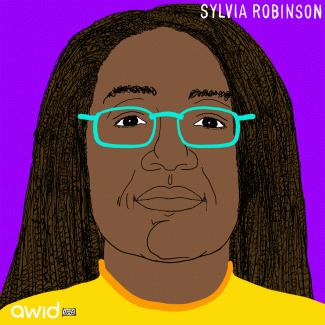
Sylvia Robinson

"Life is...about living in joy - waking up with purpose, feeling our creative energy, answering your calling." - Sylvia Robinson

Sylvia Robinson, a tireless community organizer and leader, was the founder and Executive Director of The Emergence Community Arts Collective (ECAC) in Washington DC.

This hub and performance space combine education, civic engagement, arts, social and spiritual services, and sustainable environmental practices. Sylvia envisioned it as a home where “there was a balance and synergy with the activities that people needed in order to sustain life.” 

She was also one of the founding members of the Georgia Avenue Community Development Taskforce, a neighborhood group that works on social justice and organizing in Northwest DC  to make sure the community has a voice in redevelopment and gentrification in the area. 

“We're asking for affordable housing. We're asking that the small businesses that have been here for a long time don't get wiped out by new retail. We're asking for green space and space for people to get together to socialize. We're asking for streetscape improvements—better roads and lighting in the corridor.” - Sylvia Robinson about the Taskforce

Prior to becoming an organizer and after receiving a degree in computer science, Sylvia worked in air traffic control systems for over a decade. She then moved into drug and alcohol counselling, becoming increasingly engaged in community work.

“It was my call to be involved in community.”  - Sylvia Robinson

Born in Washington D.C. on 14 August 1961, Sylvia passed away on 18 September 2017 after a battle with cancer.

“Sylvia's spirit and legacy will continue to inspire this community for many years to come.” - ECAC

Snippet FEA Occupation’s kitchen Instagram (FR)

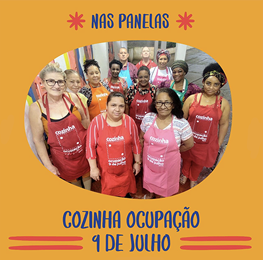
Campagne publicitaire d'Ocupação 9 de Julho :

Photo of Cozinha Ocupação 9 de Julho team in aprons
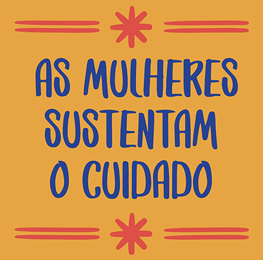
Yellow square that says "As mulheres sustentam o cuidado" or Women sustain care in Portuguese.
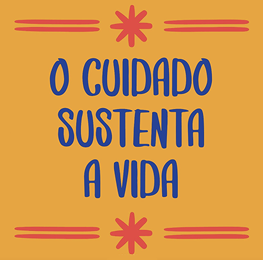
Yellow square that says "O cuidado sustenta a vida" or "Care sustains life" in Portuguese.
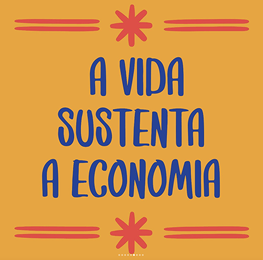
Yellow square that says "A vida sustenta a economia" or "Life sustains the economy" in Portuguese.
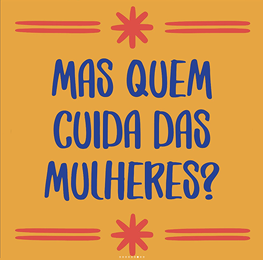
Yellow square that says: "Mas quen cuida das mulheres?" or "But who is taking care of women?" in Portuguese.
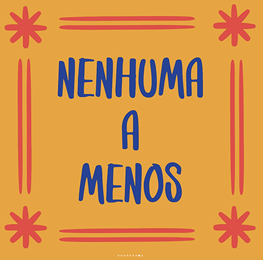
A yellow square that says "Nenhuma a menos" which translates to "Not another woman less"
Yellow square that says "Juntas, Juntos, Juntes" which translates to "Together, together, together"
Yellow square announcing Sunday Lunch at the Occupation's Kitchen

Les Femmes Maintiennent les Soins | Les Soins Soutiennent la Vie | La Vie Soutient l'Économie | Qui s'Occupe des Femmes ? | Pas Une de Moins1 | Ensemble | Déjeuner du Dimanche

1Nenhuna a menos se traduit littéralement par « pas une femme de moins » ou « ni una menos » en espagnol - un célèbre slogan féministe en Amérique latine qui a émergé en Argentine en réponse à l'augmentation de la violence sexiste.

Snippet - CSW68 Intro _Es

Recuperar Nuestro Poder Feminista

Este año, junto con activistas feministas de todo el mundo, estaremos en la CSW68 en Nueva York .Estaremos presentes para desafiar las narrativas capitalistas y neoliberales y las falsas soluciones en torno a la pobreza, el desarrollo y la financiación. A través de eventos presenciales, transmisiones en vivo en nuestras redes sociales, un stand de exhibición y más. Nos presentamos para convocar, amplificar y apoyar las voces y la participación de nuestra membresía y aliades.

Conoce más sobre nuestro programa para este año a continuación.

Maritza Quiroz Leiva

Maritza Quiroz Leiva fue una activista social afrocolombiana, líder comunitaria y defensora de los derechos humanos de las mujeres. Como una de las 7,7 millones de colombianxs desplazadxs internamente por 50 años de conflicto armado, Maritza dedicó su trabajo de incidencia a apoyar los derechos de otras personas, en particular dentro de la comunidad afrocolombiana, que sufrían similares desplazamientos y violaciones de derechos.

Maritza era líder adjunta del Comité de Víctimas de Santa Marta, y una voz importante para quienes buscaban justicia en su comunidad, exigiendo reparaciones por las torturas, los secuestros, los desplazamientos y la violencia sexual que experimentaban las víctimas durante el conflicto armado. También trabajó activamente en el movimiento nacional por la redistribución de la tierra y la justicia agraria.

El 5 de enero de 2019 Maritza fue asesinada por dos individuos armados que irrumpieron en su casa. Tenía 60 años.

Maritza se sumó así a lxs otrxs cinco activistas y líderes sociales colombianxs que fueron asesinadxs durante la primera semana de 2019. En Colombia, ese año fueron asesinadxs un total de 107 defensorxs de derechos humanos.
 

Snippet FEA Clemencia (EN)

Meet Clemencia Carabalí Rodallega, an extraordinary Afro-Colombian feminist.

She has worked relentlessly for three decades towards the safeguarding of human rights, women’s rights and peace-building in conflict areas on the Pacific Coast of Colombia.

Clemencia has made significant contributions to the fight for truth, reparations and justice for the victims of Colombia’s civil war. She received the National Award for the Defense of Human Rights in 2019, and also participated in the campaign of newly elected Afro-Colombian and long-time friend, vice-president Francia Marquez.

Although Clemencia has faced and continues to face many hardships, including threats and assassination attempts, she continues to fight for the rights of Afro-Colombian women and communities across the country.