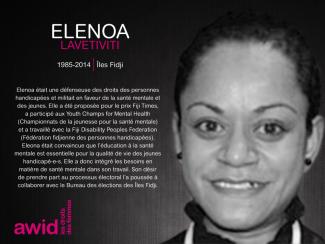
Elenoa Lavetiviti
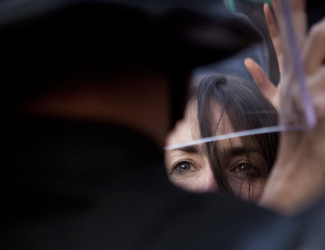
WHRDs are self-identified women and lesbian, bisexual, transgender, queer and intersex (LBTQI) people and others who defend rights and are subject to gender-specific risks and threats due to their human rights work and/or as a direct consequence of their gender identity or sexual orientation.
WHRDs are subject to systematic violence and discrimination due to their identities and unyielding struggles for rights, equality and justice.
The WHRD Program collaborates with international and regional partners as well as the AWID membership to raise awareness about these risks and threats, advocate for feminist and holistic measures of protection and safety, and actively promote a culture of self-care and collective well being in our movements.
WHRDs are exposed to the same types of risks that all other defenders who defend human rights, communities, and the environment face. However, they are also exposed to gender-based violence and gender-specific risks because they challenge existing gender norms within their communities and societies.
We work collaboratively with international and regional networks and our membership
We aim to contribute to a safer world for WHRDs, their families and communities. We believe that action for rights and justice should not put WHRDs at risk; it should be appreciated and celebrated.
Promoting collaboration and coordination among human rights and women’s rights organizations at the international level to strengthen responses concerning safety and wellbeing of WHRDs.
Supporting regional networks of WHRDs and their organizations, such as the Mesoamerican Initiative for WHRDs and the WHRD Middle East and North Africa Coalition, in promoting and strengthening collective action for protection - emphasizing the establishment of solidarity and protection networks, the promotion of self-care, and advocacy and mobilization for the safety of WHRDs;
Increasing the visibility and recognition of WHRDs and their struggles, as well as the risks that they encounter by documenting the attacks that they face, and researching, producing, and disseminating information on their struggles, strategies, and challenges:
Mobilizing urgent responses of international solidarity for WHRDs at risk through our international and regional networks, and our active membership.
Non, il n'est pas nécessaire d'être membre de l'AWID pour y participer, mais les membres de l'AWID bénéficient d'une réduction sur les frais d'inscription ainsi que d'un certain nombre d'autres avantages.
Bien plus de la moitié de la population mondiale est aujourd’hui dirigée par l’extrême droite. C’est sur cette toile de fond que défenseur·e·s des droits humains et féministes luttent pour « tenir bon », protéger le multilatéralisme et le système international des droits humains, alors que leurs engagements les exposent à de violentes répressions. Ces institutions sont cependant de plus en plus soumises aux intérêts du secteur privé. Les grandes entreprises, surtout les sociétés transnationales, siègent à la table des négociations et occupent des fonctions de leadership dans plusieurs institutions multilatérales, l’ONU notamment. Le lien entre ultranationalisme, restriction de l’espace civique et emprise des entreprises a un impact considérable sur la réalisation ou non des droits humains pour tout le monde.
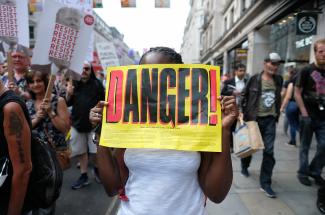
Una colección viva de recursos para apoyar a los movimientos feministas, a personas que diseñan políticas y a aliadxs que resisten a las tendencias fascistas, fundamentalistas y anti-derechos.

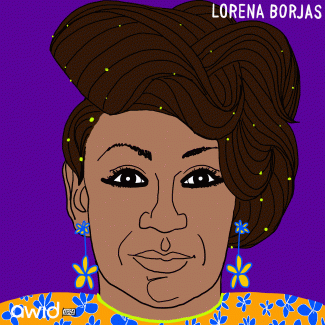
Lorena Borjas, una mujer trans latina y activista, vivía y trabajaba en el barrio de Jackson Heights de Queens, en la ciudad de Nueva York. En esas calles, cuidó de su comunidad durante años, defendiendo los derechos de las personas trans e inmigrantes, apoyando a lxs sobrevivientes del tráfico humano y del abuso, y haciendo campaña por los derechos de lxs trabajadorxs sexuales y de las personas que viven con VIH y SIDA.
Lorena era fuerte e incansable en su lucha por apoyar, defender y proteger a quienes son más marginalizadxs y discriminadxs por la transfobia, la misoginia y el racismo.
«Ella nos empujaba a brillar auténticamente, a convertirnos en un grito de subversión que dice “Aquí estoy, y merezco felicidad también”.» - Cecilia Gentili, activista trans amiga de Lorena
Luego de haber enfrentado ella misma numerosos traumas y dificultades como mujer trans inmigrante y víctima de tráfico humano, recabó conocimientos y memoria emocional de la fuente de sus propias experiencias para ayudar a construir y fortalecer la comunidad de la cual era parte, y que era parte de ella. Algunas de las formas en que llevó esto a cabo fue organizando y movilizando apoyo, que abarcaba desde proveer preservativos y conectar a las mujeres trans con distintos servicios sociales, hasta armar una clínica para el testeo de VIH en su propia casa.
«Era un alma tan bella que ayudaba a otrxs, aun cuando su propio camino era difícil y doloroso como inmigrante, como inmigrante trans. Creía que la comunidad trans necesitaba amor, aceptación, y compasión, y lo daba todo.» - Luchia Dragosh, supervisora de producción de QPTV de un documental sobre Lorena
En sus más de 25 años de activismo, también fundó con Chase Strangio (abogadx y activista por los derechos trans) el Lorena Borjas Community Fund. Este fondo ayuda a lxs diferentes integrantes de su comunidad (y en especial a las personas trans) que lidian con problemas de inmigración, para evitar el ciclo de arresto-cárcel-deportación.
Lorena falleció en marzo de 2020 por complicaciones derivadas del COVID-19.
Su enorme y hermoso legado será llevado adelante a través de las calles de Queens por la red y la comunidad que ella ayudó a crear.
« Continuaremos su trabajo desde donde ella lo dejó, un trabajo que es esencial para el bienestar de “mis pájaras”, como llamaba Lorena a las chicas trans de Queens que protegía bajo su ala.» - Cecilia Gentili
«Lorena nos trajo luz, cuando atravesábamos tiempos muy oscuros aquí en Nueva York. Nos trajo luz cuando tuvimos que enfrentar la epidemia del crack, cuando tuvimos que enfrentar la crisis del SIDA, cuando tuvimos que enfrentar los cambios en las políticas de inmigración.» - Cristina Herrera, fundadora y CEO de Translatina Network y amiga de Lorena
«Lorena ha hecho más que nadie que yo conozca para arrojar luz sobre la epidemia del tráfico en las comunidades transgénero y para ayudar a otras mujeres trans a escapar de la explotación.» - Lynly Egyes, representante de Borjas en nombre del Transgender Law Center
Mira un documental sobre Lorena Borjas (solo en inglés)
Lee un artículo publicado en The New Yorker sobre Lorena Borjas (solo en inglés)
Lee una nota de opinión de Cecilia Gentili publicada en The New York Times (solo en inglés)
Con 1773 cabilderos de los combustibles fósiles presentes en la COP29 del año pasado, nos dirigimos, junto con otres feministas a Belém (Brasil) del 10 al 21 de noviembre de 2025. Allí continuaremos denunciando las soluciones falsas, llamando la atención sobre la captura corporativa, y exigiendo que los Estados cumplan sus compromisos bajo las Responsabilidades Comunes pero Diferenciadas y las Capacidades Respectivas (en inglés) para impulsar las alternativas económicas feministas.
USD 2,7 billones para gasto militar. USD 300.000 millones para la justicia climática. Estamos aquí para dar vuelta el relato.
We are in communication with regional, thematic and funder convenings planned for 2023-2024, to ensure flow of conversations and connections. If you are organizing an event and would like to make a connection to the AWID Forum, please get in touch with us!
A magical experience of feminist story telling led by pan-African feminist Coumba Toure, performing in the age old tradition of West African griots.
And we gathered again
We gathered our stories our strength
our songs
our tears
our rage
our dreams
our success
our failures
And we pull them all together
In one big bowl to share
for a moon of thoughts
And we stay in touch
We shake each others minds
we caress each other souls
While our hands still are tied
And our kisses and hugs are banned
Yet we grow stronger by the hour
Weaving together our voices
Crossing the sound barriers
as we speak in tongues
We are getting louder and louder
We know about differences from others
and from each other so we are stitching our beauties into patchwork or thoughts
From our deepest learnings from our powers
Sometimes we are surrounded by terror
by confusions by dishonesty
But we wash out in the Ocean of love
We are weavers of dreams
To clothes or new world
Thread after thread
As small as we are
Like little ants building our movement
Llike little drops building our rivers
We take steps forward and steps backward
Dancing our way back to sanity
Sustain to the rhythm of our hearts keep
Beating please don't not stop
And we are here transmitter of forgotten generosity
drop after drop growing like the ocean
growing like the river flowing from our souls .
showing our strength to be the water
that will clean this world
and we are gathering again can you feel us
I would lie if I say I said I am
Ok not to see you I do miss my people
I miss your touch and
You unfiltered and unrecorded voices
I miss our whispers and our screams
Our cries of the aborted revolution
We only want to give birth to new worlds
So fight to erase the borders between us
And we gathered again
We gathered our stories our strength
our songs
our tears
our rage
our dreams
our success
our failures
And we pull them all together In one big bowl to share
For a moon of thoughts
And we stay in touch
We shake each others minds
we caress each other souls
While our hands still are tied
And our kisses and hugs are banned
Yet we grow stronger by the hour
Weaving together our voices
Crossing the sound barriers
as we speak in tongues
We are getting louder and louder
We know about differences from others
and from each other so we are stitching our beauties into patchwork or thoughts
From our deepest learnings from our powers Sometimes we are surrounded by terror by Confusions by dishonesty
But we watch out in the Ocean of love
We are weavers of dreams
To clothes or new world
Thread after thread
As small as we are like little ants building our movements
like little drops building our rivers We take steps forward and steps backward
dancing our way back to sanity
Sustain to the rhythm of our hearts
keep beating please don't not stop
And we are here transmitter of forgotten generosity
Drop after drop growing like the ocean
growing like the river flowing from our souls
showing our strength to be the water
that will clean this world
and we are gathering again can you feel us
I would lie if I I said I am Ok
not to see you
I do miss my people
I miss your touch and
You unfiltered and unrecorded voices
I miss our whispers and our screams
Our cries over the aborted revolutions
We only want to give birth to new worlds
So fight to erase the borders between us
Please don’’t stop
Vous souhaitez vous rassembler pour renforcer les résistances ? Cette méthodologie de formation propose des exercices de groupes qui renforcent les connaissances et le pouvoir du collectif, avec des adaptations pour répondre à vos besoins.
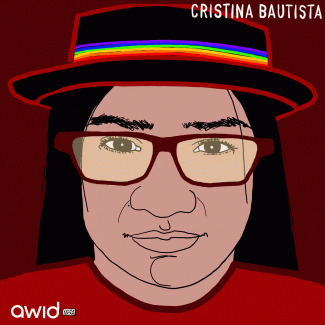
« Si nous nous taisons, ils nous tuent, et si nous parlons [ils nous tuent] aussi. Alors parlons. » - Cristina Bautista, 2019
Défenseuse infatigable des droits du peuple Nasa, Cristina s’est exprimée haut et fort contre la violence à l’égard de sa communauté. Dans un discours devant les Nations Unies, elle appelait à protéger les vies des femmes autochtones et à les impliquer dans différents domaines de la vie. En 2017, Cristina était membre du Bureau des Nations Unies pour les droits humains des personnes autochtones. Le Fonds de contributions volontaires des Nations Unies pour les populations autochtones lui a octroyé une subvention en 2019.
« J’aimerais mettre en lumière la situation actuelle du peuple autochtone en Colombie, le meurtre de leaders autochtones, la répression de la contestation sociale. Au lieu d’aider, l’accord de paix a renforcé la guerre et l’exploitation de territoires sacrés en Colombie… Actuellement, nous travaillons en tant que femmes, dans presque toutes les nations autochtones, à un avenir meilleur pour nos familles. Je ne veux pas voir plus de femmes vivre dans ces conditions en milieu rural. Il nous faut des opportunités qui permettent aux femmes autochtones de participer à la vie politique, à l’économie, à la société et à la culture. J’acquiers une réelle force aujourd’hui, en voyant toutes ces femmes ici, et en voyant que je ne suis pas seule. » - Cristina Bautista, 2019
Cristina a été assassinée le 29 octobre 2019, ainsi que quatre autres membres de la garde autochtone désarmée, dans une attaque potentiellement menée par des membres de « Dagoberto Ramos », un groupe dissident FARC.
D’après Global Witness, « le nombre d’assassinats de leaders communautaires et sociaux·les a terriblement augmenté en Colombie au cours de ces dernières années ».
« La communauté nasa a prévenu à maintes reprises les autorités au sujet des menaces qui pèsent sur leur sécurité. Malgré les efforts déployés par les gouvernements colombiens successifs, les peuples autochtones continuent de faire face à d'importants risques, surtout les dirigeants communautaires ou religieux comme Cristina Bautista.» - Point presse des Nations Unies, 1er novembre 2019
Paneles, talleres, plenarias y espacios de intercambio entre colectivos, activistas y organizaciones que luchamos para recorrer de forma colectiva el camino hacia una agenda y un programa de lucha por el ecosocialismo.
📅 8 - 11 de noviembre de 2025
📍 Buenos Aires, Argentina
Tan pronto como podamos, compartiremos información sobre el programa, los espacios y la forma en que todo el mundo puede participar en su construcción, en camino hacia el Foro y durante el Foro. Sigue con atención las actualizaciones.
ترجمة مارينا سمير
 |
أكوسوا هانسون، فنانة وناشطة مقيمة في أكرا في غانا. تشمل أعمالها على ميادين الإذاعة والتلفزيون ووسائل الإعلام المطبوعة والمسرح والأفلام ومعارض القصص المصورة والأعمال الفنية ثُلاثية الأبعاد والروايات المصورة. تتمحور نشاطية أكوسوا حول قضايا الوحدة الأفريقية والنسوية، مع اهتمام خاص بتقاطع الفن مع الثقافة الشعبية والنشاطية. حائزة على ماجستير في الفلسفة في الدراسات الأفريقية، مع التركيز على الدراسات الجندرية والفكر الفلسفي الأفريقي. أكوسوا مبتكرة مود جيرلز، وهي سلسلة روايات مصورة، تتابع مغامرات أربعة أبطال خارقين يقاتلون من أجل إفريقيا خالية من الفساد والاستعمار الجديد والأصولية الدينية، وثقافة الاغتصاب ورهاب المثلية الجنسية وغير ذلك. تعمل كمذيعة في Y 107.9 FM، غانا. |
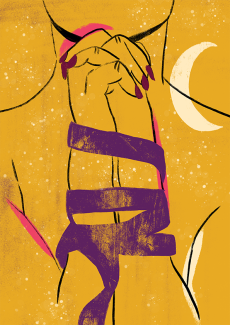
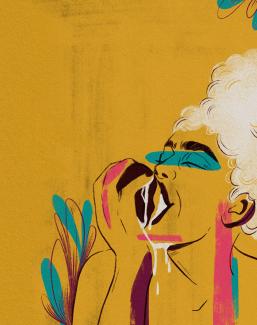
في هذه الرسومات، تنخرط فتاة القمر وادجيت في ممارسة حميمية مع شيطان ثنائي الجندر. من بين فتيات القمر الأربعة، وادجيت هي المُعالِجة والفيلسوفة ووسيطة العرّافة. هي تقوم بذلك من أجل إطلاق عملية علمية وروحية، تُطلِق عليها تسمية «الاستنارة بضوء البدر». خلال هذه العملية، تشكّل تسلسلاً زمنياً حيّاً بين ذكرياتها وحواسها ومشاعرها ورؤاها وخيالاتها. إنّها أحد أشكال السفر عبر الزمن من خلال الذبذبات، من أجل اكتشاف ما تُسميه «تجلّيات الحقيقة». أثناء التجربة، تتضمّن إحدى رؤى وادجيت الضبابية اقتراب نهاية العالم نتيجة تدمير الناس للبيئة في خدمة الرأسمالية الشرهة؛ وذكرى طفولة حول دخول المستشفى بعد التشخيص بمرض نفسي؛ ورؤية لأصل قصّة فتيات القمر يظهر فيها الرمز التوراتي نوح، كفتاة قمر سوداء من عصر قديم تحذّر من أخطار التلوث البيئي.
تمتدّ ممارسات الـ»بي دي إس إم» إلى أبعد من كونها كينك مرح يقود لاستكشافات حسّية، فبإمكانها أن تكون طريقة للتعامل مع الألم العاطفي والصدمات. لقد كانت وسيلةً للتعافي الجنسي بالنسبة لي، بتقديمها نمط للتحرّر الجذري. تطهيرٌ ما، يحدث، عند وقوع ألمٍ مادّي على الجسد. يقع هذا الألم في وجود تراضٍ، فيستخرج ألمًا عاطفيًا، كما لو كان «يستدعيه». نزول السوط على جسدي يسمح لي بتحرير مشاعر مكبوتة: توتّر، اكتئاب، شعوري بغياب دفاعاتي في وجه ضغوطاتٍ تُغرقني أحيانًا. عند الانخراط في الـ»بي دي إس إم» كسبيل للتعافي، على العشّاق أن يتعلّموا كيف يكونون شديدي الوعي ببعضهم البعض، ومسؤولين عن بعضهم البعض. فحتى لو كانت الموافقة قد أُعطيت في البداية، علينا أن نكون منتبهين لأيّ تغيّرات قد تطرأ أثناء الممارسة، خاصةً مع احتدام المشاعر. أتعامل مع الـ»بي دي إس إم» بفهمٍ لأنه ينبغي أن يكون الحبّ والتعاطف أساسًا لعملية الاستسلام للألم، وبذلك أخلق مساحة أو أنفتح للحبّ.
إن الاهتمام برعاية ما بعد وقوع الألم يُعَدّ استكمالًا للعملية. يمكن لذلك أن يحدث بطُرُقٍ بسيطة جدًا مثل الاحتضان، التأكّد ممّا إذا كان الآخر يرغب في شرب الماء، مشاهدة فيلمٍ معًا، مشاركة عناق أو حتى مشاركة سيجارة حشيش. يمكن لهذه الرعاية أن تمتثل لأيّ ما كانت عليه لغة حبّك المُختارة. مع إدراك أنّ جروحًا قد فُتِحَت، تُعَدّ هذه المساحة من الاحتواء ضرورية من أجل استكمال عملية التعافي. إنّه أكبر درسٍ في ممارسة التعاطف وتعلّم كيف تحتوي شريكك/ شريكتك حقًا، نظرًا لحساسية تمييع الحدود الفاصلة بين الألم والمتعة. بهذه الطريقة، يصبح الـ»بي دي إس إم» أحد أشكال أعمال الرعاية بالنسبة لي.
بعد ممارسة جنسية فيها ممارسات «بي دي إس إم»، أشعر بصفاء ذهني وهدوء يَضَعاني في مساحة إبداعية عظيمة ويمكّناني روحيًا. مشاهدة الألم يتحوّل آنيّاً لشيء آخر هي أشبه بتجربة سحرية. وبالمثل، تجربة الـ»بي دي إس إم» المحرِّرة على المستوى الشخصي تسمح لوادجيت بالوصول إلى المعرفة المُسبَقة والحكمة والصفاء الذهني مما يساعدها في واجباتها كفتاة قمر في مواجهة الأبوية الأفريقية.
وُلِدَت «فتيات القمر» أثناء عملي كمديرة لـ»دراما كوينز»، وهي منظمة فنّية شبابية ناشطة في غانا. منذ تأسيسنا في 2016، استخدمنا وسائط فنّية مختلفة كجزءٍ من عملنا الناشطي النسوي والبيئي والعموم- أفريقي. استخدمنا الشِعر والقصص القصيرة والمسرح والأفلام والموسيقى لمناقشة قضايا مثل الفساد والأبوية والتدهور البيئي ورهاب المثلية الجنسية. ناقَشَت أعمالنا المسرحية الافتتاحية مثل «خَيّاطة شارع سان فرانسيس» و»حتى يفيق أحدهم» مشكلة ثقافة الاغتصاب في مجتمعاتنا. كما يُزعم أن «مثلنا تمامًا» كانت من أوائل الانتاجات المسرحية في غانا التي تناقش بشكل مباشر قضية رهاب المثلية الجنسية المتغلغلة في البلد. كما ساهمت «جامعات غانا الكويرية»، وهي ورشة لصناعة الأفلام الكويرية لتدريب صنّاع الأفلام الأفارقة، في تدريب صنّاع أفلام من غانا ونيجيريا وجنوب أفريقيا وأوغاندا. وعُرِضَت الأفلام المصنوعة في الورشة في مهرجانات، مثل فيلم «فتاة رضيعة: قصة شخص بيني الجنس». ولذلك، فإنّ الانتقال إلى وسيط الروايات المصوّرة هو تطوّر طبيعي.
منذ حوالي سبع سنوات، بدأتُ بكتابة رواية لم أكملها أبدًا عن حياة أربع نساء. في عام 2018، فتحت «مبادرة المجتمع المفتوح لغرب إفريقيا» (OSIWA) فرصة مِنحة أطلقت إنتاج المشروع وتحوّلت روايتي غير المكتملة إلى فتيات القمر. هناك جزءان من فتيات القمر، يتكوّن كلّ منهما من ستّة فصول. الكُتّاب والمحرّرون المساهمون في الموسم الأول هم سوهايدا دراماني، وتسيدي كان تاماكلوي، وجورج هانسون، ووانلوف كوبولور. كتّاب الموسم الثاني هم يابا أرما ونادية أهيدجو وأنا. قام الفنان الغاني كيسوا وستوديو «أنيماكس إف واي بي»، وهو ستوديو رسوم متحرّكة وتصميمات وتأثيرات بصرية، بالرسوم التوضيحية للشخصيات وصياغتها مفاهيميًا.
لقد كانت كتابة فتيات القمر، بين 2018 و2022، عملَ حبٍّ بالنسبة لي، بل بالأحرى، عمل من أجل التحرّر. أهدف أن أكون مجدِّدة في الشكل والأسلوب: لقد اهتممت بتحويل أنماطٍ أخرى من الكتابة، مثل القصص القصيرة والشِعر، لتلائم بنية القصص المصوّرة. تستهدف فتيات القمر مناقشة القضايا الكبرى وتكريم النشطاء الموجودين في الحياة الحقيقية، من خلال إدماج الرسومات والنصوص، كما يحدث في القصص المصوّرة عادةً. قراري بمركزة النساء الكوير كبطلات خارقات، وهو أمر نادر الحدوث في هذا النوع من الفن، أصبح له معنى أكبر بكثير عندما بدأ يتطوّر أمر خطير في غانا في عام 2021.
شهد العام الماضي تصاعد في وتيرة العنف ضد مجتمع الميم عين في غانا، والتي بدأت بإغلاق أحد مراكز مجتمع الميم عين. أعقب ذلك اعتقالات تعسفية وسجن أشخاص مشكوك في انتمائهم للطيف الكويري، كذلك أشخاص متّهمين بالدفع بـ»أجندة مثلية». تُوِّج ذلك بتقديم مشروع قانون ضد الميم عين في البرلمان الغاني تحت إسم «حقوق الإنسان الجنسية اللائقة وقِيَم الأسرة الغانية». يُزعم أن هذا المشروع هو أكثر مشاريع القوانين توحشًا ضد الميم عين كان قد صيغ في المنطقة، وقد أتى لاحقًا على محاولات سابقة في بلاد مثل نيجيريا وأوغندا وكينيا.
أتذكّر بمنتهى الوضوح أول مرّة قرأت فيها مسودة مشروع القانون. لقد كانت ليلة جمعة، والتي عادةً ما أستريح أو أحتفل فيها بعد أسبوع عمل طويل. لحسن الحظ، سُرِّبت المسودّة وتمّت مشاركتها معي على مجموعة واتساب. أثناء القراءة، تسلّل إليّ شعور عميق بالخوف والتوجّس مما أفسد ليلة استراحتي.
اقترح المشروع معاقبة أيّة مناصرة للميم عين بالسجن من خمس لعشرة سنوات، وبتغريم وحبس أي شخص يُعرّف نفسه باعتباره مثلي أو مثلية أو عابر أو عابرة جنسيًا أو ينتمي لأية فئات جنسية أو/وجندرية غير نمطية، إلا إذا «تراجع» وقَبِل الخضوع لعلاج تصحيحي. في مسودة مشروع القانون، حتى اللاجنسيين جُرِّموا. انقضّ مشروع القانون على جميع الحرّيات الأساسية: حرّية الفكر وحرّية الوجود وحرّية أن يتمسّك الشخص بحقيقته ويعيش بها. انقضّ مشروع القانون أيضًا على منصّات التواصل الاجتماعي والفنّ. لو مُرِّر هذا المشروع، ستصبح فتيات القمر عملاً أدبياً محظوراً. ما تقدّم به مشروع القانون كان شرًا خالصًا وبعيد المدى، لقد صُدِمت لدرجة الاكتئاب من عمق الكراهية التي صُنِع منها هذا المشروع. أثناء تصفّحي موقع «تويتر» تلك الليلة، وجدتُ انعكاسًا للرعب الذي شعرت به بداخلي. لقد كان هناك بثًا مباشرًا للمشاعر، حيثُ كان يتفاعل الناس فوريًا مع ما يقرأونه: من عدم تصديق إلى رعب إلى خيبة أمل شديدة وشعور بالأسف عندما أدركنا المدى الواسع الذي رغب المشروع في الانقضاض عليه. البعض غرّدوا عن استعدادهم لجمع ما لديهم والرحيل عن البلاد. بعدها، وكعادة الغانيين، تحوّل الأسف والخوف لدعابة. ومن الدعابة أتى الحماس لتصعيد المقاومة.
لذلك، فالعمل مستمرّ. لقد صنعتُ فتيات القمر لتوفير شكلٍ بديلٍ من التعليم، ولتوفير المعرفة حيثُ قمَعَتها أبوية عنيفة، ولخلق مساحة ظهور لمجتمع الميم عين حيثُ تمّ محوه. من الضروري أيضًا أن يحصل الـ»بي دي إس إم» الأفريقي على منصّة لإظهاره حيثُ أنّ الكثير من الـ»بي دي إس إم» المُمثَّل أبيض. إن المتعة الجنسية، سواء من خلال الـ»بي دي إس إم» أو غيره، مثلها مثل أنماط الحبّ اللامغاير جنسيًا، تتخطى العرق والقارّة، فالمتعة الجنسية وتنوّع خبراتها قديمة بقِدَم الزمن.

This journal edition in partnership with Kohl: a Journal for Body and Gender Research, will explore feminist solutions, proposals and realities for transforming our current world, our bodies and our sexualities.
نصدر النسخة هذه من المجلة بالشراكة مع «كحل: مجلة لأبحاث الجسد والجندر»، وسنستكشف عبرها الحلول والاقتراحات وأنواع الواقع النسوية لتغيير عالمنا الحالي وكذلك أجسادنا وجنسانياتنا.
Alors que le capitalisme hétéropatriarcal s’acharne à nous contraindre au consumérisme et à la conformité, nous constatons que nos luttes sont cloisonnées et séparées par des frontières aussi bien physiques que virtuelles.
Avec les défis supplémentaires d’une pandémie mondiale à surmonter, cette stratégie du « diviser pour mieux régner » a favorisé l’expansion de l’exploitation dans de nombreux domaines.
Malgré tout, du 1er au 30 septembre 2021, le festival Crear | Résister | Transform : un festival dédié aux mouvements féministes ! de l’AWID nous a emmené·e·s à la découverte de ce que cela signifiait d’incarner nos réalités dans des espaces virtuels. Lors du festival, des activistes féministes du monde entier se sont réuni·e·s non seulement pour partager des expériences de libertés, de résistances et de solidarités transfrontalières durement gagnées, mais aussi pour exprimer ce à quoi pourrait ressembler une forme transnationale d’unité.
C’est précisément cette unité qui a le potentiel de dépasser les frontières, permettant de tisser une vision de l’avenir qui est transformatrice parce qu’abolitionniste et anticapitaliste. À travers des infrastructures numériques que nous avons investies avec notre queerness, notre résistance et nos imaginaires, le festival a présenté un moyen de se détourner des systèmes qui nous rendent complices de l’oppression des autres et de nous-mêmes.
Si Audre Lorde nous a appris que « les outils du maître ne détruiront jamais la maison du maître », Sara Ahmed nous a montré en revanche que nous pouvons en faire mauvais usage. Le fait d’avoir à créer un espace de rassemblement, en dépit de toutes les autres contraintes pesant sur nos emplois du temps, nous a permis d’imaginer une façon de rompre avec la réalité du capitalisme hétéropatriarcal.
Maintenant, si nous comprenons le rassemblement comme une forme de plaisir, il devient alors possible de faire le lien entre le plaisir transgressif et la résistance transnationale/transdigitale; entre les types de plaisir qui bousculent les frontières d’une part, et la queerness, la théâtralité, la lutte pour la terre et les autochtones, l’anticapitalisme et l’organisation anticoloniale d’autre part.
La présente édition a tenté de donner une idée de la manière dont l’exercice de rassemblement du festival a revêtu de multiples formes et imaginations. Au-delà des collaborations directes avec certain·e·s de ses orateurices et rêveur·se·s, nous avons fait appel à une pléthore d’autres voix du Sud mondial pour aborder plusieurs de ces sujets et thématiques. Vous trouverez ci-dessous une carte de certains des panels du festival qui nous ont le plus inspiré·e·s.
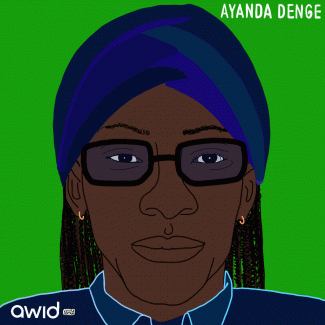
“I am a wonder… Therefore I have been born by a mother! As I begin to stutter, my life has been like no other…” - Ayanda Denge (read the whole poem below)
As a committed and fervent social justice activist, she fought for the rights of sex workers, trans persons, and for those of people living with HIV and AIDS. She was also a motivational speaker on cancer awareness, and campaigned for affordable and social housing, especially for poor and working-class people. Ayanda stood tall as a mountain against different and often abusive faces of discrimination.
“Being transgender is not a double dose, but it’s a triple dose of stigmatisation and discrimination. You are discriminated against for your sexual identity, you are discriminated against for your work, and you are discriminated against for your HIV status.” - Ayanda Denge, 2016
She was acting chairperson at the Sex Workers Education and Advocacy Taskforce (SWEAT) and also worked as an Outreach Coordinator at Sisonke, a national sex workers’ movement in South Africa.
“From us, from our regional head office, to SWEAT where I sit on the board, to Sisonke, a movement of sex workers in Cape Town. We all amalgamate, we have one cry and it’s a cry that is recognised internationally by international sex workers. We want decriminalisation of sex work.” - Ayanda Denge, 2016
She lived in the Ahmed Kathrada House, which was being occupied by the Reclaim the City campaign for social housing. In 2018, Ayanda was elected house leader. On 24 March 2019, she was stabbed to death in her room. The year prior, another resident was killed.
Reclaim the City draws a connection between the safety of the house residents and the Provincial Government withholding electricity and the human right to water:
“We cannot separate the safety of women and LGBTQI people living in the occupation from the refusal by the Western Cape Provincial Government to turn the electricity and water back on at Ahmed Kathrada House.
The house is pitch black at night. We need lights to keep each other safe. It is as if the Province wishes to punish poor and working class people, whose only crime is that we needed a home. While they may disagree with our reasons for occupying, they should be ashamed of themselves for putting politics before the safety and dignity of residents of this city.
Rest in Peace comrade Ayanda Denge, we shall remember you as we carry the torch forward in the struggle for decent well-located housing.”
Poem by Ayanda:
I am a wonder…
Therefore I have been born by a mother!
As I begin to stutter,
My life has been like no other.
Born in pain
Nourished by rain
For me to gain
Was living in a drain.
As I shed a tear
I stand up and hold my spear.
Voices echo, do not fear
Challenges within a year,
Challenges of hurt are on my case;
Community applauds as they assume I have won my race;
But in reality my work strides at a tortoise pace;
On bended knee I bow and ask for grace.
For the Lord
Is my Sword;
To remind humanity
That he provides sanity.
Why Lord am I this wonder?
The Lord answers me with the rain and thunder,
For questioning my father
Who has in the book of lambs
A name called Ayanda.
From the streets my life was never sweet
The people I had to meet;
At times I would never greet;
Even though I had to eat;
I’d opt to take a bow
Rather than a seat
Listen to the poem in Ayanda’s voice
“For my life represents that of a lotus flower, that out of murky and troubled waters I bloomed to be beautiful and strong...” - Ayanda Denge, watch and listen
“Ayanda, I want to say to you that you are still a survivor, in our hearts and minds. You are gone but you are everywhere, because you are love. How beautiful it is to be loved, and to give love. And Ayanda, that is the gift that you have given us. Thank you for all of the love, we truly did need you. Going forward, I promise to you that we will all commit to continue with the struggle that you have dedicated so much energy and your time to. And we will commit ourselves to pursuing justice in this awful ending to your life.” - Transcript of a message, in a farewell Tribute to Ayanda
“Ayanda was an activist by nature. She knew her rights and would not mind fighting for the rights of others. For me, it was no shock that she was involved with many organizations and it was known that she was a people’s person. It did not need to be the rights of LGBTI but just the rights of everyone that she stood for.” - Ayanda’s sister
*Sites web en anglais

“My mission in life is not merely to survive, but to thrive; and to do so with some passion, some compassion, some humor, and some style.” - Maya Angelou
The AWID International Forum is both a global community event and a space of radical personal transformation. A one-of-a-kind convening, the Forum brings together feminist, women’s rights, gender justice, LBTQI+ and allied movements, in all our diversity and humanity, to connect, heal and thrive. The Forum is a place where Global South feminists and historically marginalized communities take center stage, strategizing with each other and allied movements, funders and policy-makers, in order to shift power, make alliances, and usher in a different, better world.
When people come together on a global scale, as individuals and movements, we generate a sweeping force. Join us in Bangkok, Thailand in 2024. Come dance, sing, dream and rise with us.
When: 2–5 December 2024
Where: Bangkok, Thailand; and online
Who: Approximately 2,500 feminists from all over the world participating in-person, and 3,000 participating virtually
Learn more about the forum:
Read our Frequently Asked Questions
شكرًا انجيلا وبيار

 |
يانيا صوفيا غرسون ڤالنسيا، أنا امرأة سوداء أعمل في مجال رأب صدع المُجتمع. أعيش في سنتاندر دي كيليتشاو في كاوكا في كولومبيا. مهتمّة بالعمليات الإبداعية التي تنظّم الحياة الجماعية المستدامة. أحبّ تبادل الأفكار والطبخ، والتحقيق والتحليل، وزرع البذور والتعلّم من النباتات، والقراءة واللعب. أقوم حاليًا بتنسيق مرصد العنف القائم على النوع الاجتماعي ضد المجتمعات المنحدرة من أصول إفريقية في كولومبيا (@VigiaAfro). |

كنّا أخيرًا نعيش ذلك النوع الآخر من الحبّ – ذاك الحبّ حيث نجلس معًا لمجرد السعادة في أن نكون معًا، ونصغي لبعضنا الآخر. بالنسبة إليّ، هذه الأنواع من الدردشات كانت ضمن تعابير الحبّ التي أتاحت لي الحياة أن أستمتع بها حديثًا فقط. ما كنت أعرف أن هذه الأشكال الأخرى ممكنة – تلك التي توجَد خارج نطاق ورشات العمل، أو أماكن الناشطين أو غرف الصفّ أو أماكن العمل. نحن، ثلاث صديقات، أمضينا فترة الأصيل معًا ولم يكن اختلاف لون بشرتنا بأمرٍ تظاهرنا أننا لم نلحظه، لا بل كان عنصرًا واقعيًا أتاح لنا أن نناقش بحرارة نقاط التشابه والاختلاف في التجارب التي خضناها في مرحلتي طفولتنا وشبابنا.
كنّا نحن الثلاثة «نتشارك» فترة الأصيل في حيٍّ جنوبي بوغوتا. كانت هناك مساحة خضراء كبيرة خُصّصت للّعب، شيء لم نألفه، جلسنا على مقاعد خشبية بدون مسند للظهر تحت شجرة بيلسان. كنّا أخيرًا نعيش ذلك النوع الآخر من الحبّ – ذاك الحبّ حيث نجلس معًا لمجرد السعادة في أن نكون معًا، ونصغي لبعضنا الآخر. بالنسبة إليّ، هذه الأنواع من الدردشات كانت ضمن تعابير الحبّ التي أتاحت لي الحياة أن أستمتع بها حديثًا فقط. ما كنت أعرف أن هذه الأشكال الأخرى ممكنة – تلك التي توجَد خارج نطاق ورشات العمل، أو أماكن الناشطين أو غرف الصفّ أو أماكن العمل. نحن، ثلاث صديقات، أمضينا فترة الأصيل معًا ولم يكن اختلاف لون بشرتنا بأمرٍ تظاهرنا أننا لم نلحظه، لا بل كان عنصرًا واقعيًا أتاح لنا أن نناقش بحرارة نقاط التشابه والاختلاف في التجارب التي خضناها في مرحلتي طفولتنا وشبابنا.
لم تكن تلك الدردشات مرتبطة بأية مهمّة وشيكة لحركة السود في كولومبيا، لكنها لا تنفكّ تمنحني القوة وتكتسب معانٍ جديدة. اشتدّت أواصر علاقتنا مع لقاءاتنا المتكررة، ومعرفة كلٍّ منّا للأخرى بشكل أفضل وتمييز فرادة تحرّرنا. ومعرفة أنّ التحرّر ليس حكرًا على مسلك واحد فقط ويمكن أن يتمّ عبر عدة مسالك – هذه المسالك التي مشيناها في كل مرّة قلنا «لا» وتمرّدنا. لم يخالجنا أي شعور بالانزعاج، إنما شعور بالأصالة المصنوعة من الضعف والقوة، شعور جَمَعَنا بدل أن يفرّقنا وقرَّبَنا من بعض أكثر.
كان هدفنا في فترة الأصيل الجميلة تلك، أن نكون نحن – ذاك الوعي أن نكون أنفسَنا ومع أنفسِنا. استذكرنا ماضينا فكانت الذكريات التي بقيت معنا هي تلك التي اخترنا نحن الاحتفاظ بها، وليس التي زرعها الخوف في أنفسنا. تذكّرنا مقتطعات معيّنة من مسلسلات تلفزيونية، وغنّينا أغنيات كتبها فنّانون علّمونا عن الحبّ المتناهي، والكره الشديد، والشتم كما يفعل الأشرار، والمعاناة كمأ تختبرها النساء في مواقع القيادة. أخبَرْنا بعضنا عن المقالب المدرسية، تلك التي بقيت في لاوعينا الذي كان مُنكشفاً على شتّى الطُرق التي ينتهجها الإعلام لإعادة بثّ انطباعات مُعيّنة، وعلى قصص الراهبات والمُعلّمات وما حملته من تطلّعاتٍ حياتيةٍ ترسمها معايير سندريلا. تلك العوامل هي ما حدّد إيقاع بقية القصة: مأساة الفتاة الفقيرة المسلوبة والمُهانة، والتي ستعيد لاحقًا إعتبارها من خلال فعلٍ يحرّرها من الحالة التي تعيشها. إعادة الإعتبار تلك لا تتحقق إلا إذا وقَعَتْ عينا رجل أبيض البشرة (على أقل تقدير) عليها – فيستحقّ ما بين فخذيها (وهو ما يتطلّع إليه أساسًا). وهكذا تتحوّل أحلامنا إلى حقيقة بشكلها الأمثل – قالوا لنا إنّ ذاك هو ما يجب أن نصبو إليه.
كنّا ثلاثتنا هناك ذاك الأصيل. كلٌّ منّا نشأت في منطقة مختلفة من البلاد، لكن ولدهشتنا، كنّا ثلاثتنا نقتبس مقتطعات وأحداث من أغانٍ ومسلسلات كانت لها غالباً نفس الرموز والشعارات مع بعض التحويرات الموائمة لبيئة منازلنا وعلاقاتنا الأولى، والأحياء التي عشنا فيها ومدارسنا. لاحظنا كلّ هذه التقاطعات والتحويرات من خلال كلامنا معاً وتعمّق معرفتنا ببعضنا الآخر. إنها النشأة في ظل ّوبإسم الـ «دراما» – أوليس هذا هو الوصف الذي كان يُطلق على المدرسة الإخراجية الناجحة تلك؟ – تلك المدرسة (الـ»جانر») التي تقول إن تَعاظُم معاناتكِ يحدّد ما تستحقّين. بكلمات أخرى، يطرح هذا الجانر المسألة التالية: كيف وبأية حالات يحقّ لكِ ويكون مقبولًا أن تعاني؟ فمعاناتكِ (وهذا شيء بالغ الاهمية)، هي الوصيةُ على سلوكياتك، إنها تُحدّد ما يجب أن يظهر عليه المرء المُعذَّب، وما هي الأفعال التي يجب أن تقوم بها ومَن عليها أن تكون. نجح بعضنا في تحرير أنفسهن و»تعلّمنا» أن تعريفنا الخاص للحبّ يمكن فقط تعلّمه في سن الرشد، وفي تهشيم أوهامنا، وفي تقبّل الخطيئة الطبيعية وفي الوعي بوجود آلة إنتاج عالميةٍ لنموذج العذرية التي قد نختار رفض التماثل بها لأنها وبكل بساطةٍ لا مكانة لها في إدراكنا وفي خيباتنا المتولّدة من الواقع التغريبيّ.
بعد الغناء، راجعنا بدايات استكشافاتنا الجنسية. لم يخطر لي يوماً أن معظم الناس خَبِروا تلك الأحاسيس قبل عمر التاسعة، وأنه حتى في سن الرشد تلك الاستكشافات، تلك الذكريات، تبقى حِملاً ثقيلًا. حتى في أيامنا هذه، في الكثير الكثير من الأماكن، ملايين الفتيات والفتيان يعتبرون براءتهم مُختصَرة بأجسادهم. إلقاء اللوم على الفضول هي آلية الضبط الأكثر فعالية. عدنا بالذاكرة إلى المحادثات المختصرة التي دارت بيننا عندما غيّرنا تاريخ حياتنا من أشخاص سود مُحقَّرين، إلى مفهومٍ أعاد ولادتنا من جديد. تذكَّرنا كيف أن العديد من زوجات أقاربنا وبناتهن، تركن منازلهن وانتمائهن وجذورهن بحثًا عن مستقبل في الخارج، في مكان آخر.
لم يأتِ المستقبل بلا ثمن، لأنه أَجبَر إعادة تشكيلٍ لتلك العلاقات التي وصمت طفولتنا، وحَبَسَها في غرف النسيان. إنها الأُسس التي نشأنا عليها، لكنها لم تكن دافعنا لنتقدّم. منبع التقدّم بالنسبة لنا كان إدراكنا بجوارحنا ما يستوجب علينا فعله للوصول إلى مكان اخر، فاقترنت فكرة التقدّم «بفُرصةٍ» للابتعاد عمّا في داخلنا، في محاولةٍ للاقتراب من الخارج البعيد. دفعت العديدات من زوجات أقاربنا وبناتهن، أثماناً باهظةً مُقابل تلقّف فرصةٍ للتسجيل في ومتابعة صفّ مسائي مثلاً، أو أخذ إجازة من العمل المنزلي. أثمانٌ مسّت بجنسانيّاتِهنّ، أثمانٌ هنّ أنفسهنّ وأخريات قبلهن سَبَق ودفعنها وربما تناسينها. وكان تسديد هذا الثمن أمراً حتميّاً، أشبه بتسديد فاتورة خدمات المرافق العامة. لكننا لن نرضخ لهذا الإرث.
في كولومبيا وأميركا اللاتينية، كان هناك دليل عن آداب السلوك وكان عنوانه «دليل آداب السلوك للكاتب كارينيو». كان ذاك الدليل مقرّرًا إلزاميًا للقراءة في المدراس الرسمية والخاصة حتى التسعينيات. وكانت أمّي، التي تتلمذت وتربّت على أيدي الراهبات الكرمليات، حفظته عن ظهر قلب: والدليل حدّد فعليًا كيف كان مفهوم الجسد. عندما قرأتُه للمرة الأولى، توقّفتُ أكثر من مرّة لأفرك معدتي التي آلمتني من شدّة الضحك. كان يحتوي على تعليمات سخيفه مثل: خذي دوشاً وعينيك مغمضتين، واطفئي النور لترتدي ملابس النوم. وتناولت عدّة فصول فيه كيفية التصرّف في المنزل، وفي الشارع وخلال حفل عشاء أو غداء – باختصارعادات الذوق الرفيع وآداب السلوك. النواة الأخلاقية للمواطنين الصالحين، الحضارة التي أتاحت للإنسان الابتعاد عن الحياة الريفية. الدليل ذاته أشار إلى أنّ إلقاء التحية بصوت عالٍ لأحد المعارف على الجهة الأخرى من الشارع أمر مشين، أداب السلوك تقتضي أن تَعبري الشارع. وعلى المنوال نفسه، على الرجال أن يخلعوا معاطفهم ويضعوها فوق بِرَك الماء الضحلة عندما يكونون بصُحبة امرأة تفادياً لابتلال حذائها. وهنا أدركتني خاطرة: بلادنا حارّة ولا نحتاج إلى ارتداء المعاطف، فما الحلّ إذا ما اضطررتُ إلى إلقاء التحية على أحدٍ على الضفة المُقابلة من النهر؟!
السيد كارينيو ذاك، هو شخصيةٌ مُختلفةٌ جوهرياً عن شخصية جدّ إحدى السيدات اللواتي وُلدن في تيوربو. أخبرتني ذات مرّة أنّ جدّها كان رجلًا حكيمًا، فقد علّمها عن الولادة وكيف تعتني بجسدها. تعلّمت أنها ولتعتني ببطنها، عليها الحفاظ على دفء جسدها، وتفادي البرد الذي يتسلل إلى نفوخ الرأس والقدمين والأذنين، لكي لا تشعر بألم أثناء المساء. لذلك عليكِ التنبّه لنوع الأطعمة التي تتناولينها وتلك التي يجب ألا تتناولينها، كما عليك التنبّه للملابس التي ترتدينها ولطريقة سيرك، لأن كلّ ذلك له علاقة بصحة الفتيات. قالت المرأة المسنّة أنها تعلّمت من جدّها المتفاني، أنّ المغص أصبح أكثر شيوعًا عندما لم تعد أرضيات المنازل مصنوعة من التربة و/ أو الخشب. عندما بدأ استخدام الباطون والبلاط، وعندما أصبحت المواد التي يتكوّن منها المنزل، تسمح للبرد بالدخول إلى الجسم من القدمين، ما أدّى إلى ازدياد اضطراب أنسجة البطن.
تفاجأتُ مرة أخرى، بالفرق الشاسع ما بين دون كارينيو والجدّ الحكيم فيما يتعلّق بإدراكهما للحياة. شاسعٌ هو الفرق، كبُعد إرشادات السلوك الجيّد التي تكبت دوافعك وحواسك، عن الأفعال المنطقية التي تصون صحّة الجسد. في تلك اللحظة، استطعت أن أدرك الطرق العديدة التي يكتم فيها الباطون نفَسَ الأرض وأنفاسنا كجزء من هذه الأرض، ولكن في بعدٍ مختلف. لم أكن أعرف من قبل أنّ مواداً وهندسات معمارية معيّنة، كانت وما زالت، تعتني بأجسادنا. في كولومبيا، كما في بلدان أخرى، كانت المواد المستخدمة لبناء البيوت، تُعتبَر مؤشرات للفقر المتعدّد الجوانب. فقد كان البيت الذي بُني من الباطون يعني أنّ قاطنيه ليسوا فقراء على الأرجح. هذا مجرد مثال آخر مثيرٍ للإحباط، يُظهر كيف أن التقدّم دَفَعَنا للتخلّي عن العلاقة بين بيوتنا وأجسامنا. الذوق الرفيع والتمدّن دفعا بنا للخروج عن ذواتنا: التقدّم يستوجب منك، كما زعموا كاذبين، الذهاب إلى هناك، إلى ذاك الخارج.
استطعت أن أدرك الطرق العديدة التي يكتم فيها الباطون نفَسَ الأرض وأنفاسنا كجزء من هذه الأرض، ولكن في بعدٍ مختلف. لم أكن أعرف من قبل أنّ مواداً وهندسات معمارية معيّنة، كانت وما زالت، تعتني بأجسادنا.
أزعَجَنا أنّ أحدًا من أهلنا، لا أمّهاتنا ولا أبائنا، تكلّموا معنا عن العادة الشهرية، قبل أن تلطّخ البقعة الحمراء الداكنة لباسنا الداخلي. ولم ينجحوا في حمايتنا من الشعور بالخجل، الذي يُفترض أن يكون شعوراً طبيعياً يرافق ظهورالعادة الشهرية. بدأت تشنّجات البطن والتي غالبًا ما كنّا نتحمّلها بصمت، فقد كان هناك دائماً عمل ما يجب إنجازه. كانت بعض التشنّجات نتيجة حويصلات أو ورم دموي أوأورام ليفية، كثيراً ما كانت السبب في موت الجدّات، أولئك اللواتي اكتشفنَ العلاجات ونسينهنّ، ومع الوقت أصبحن هنّ أنفسهنّ من المنسيّات. وبدأت أمهاتنا وأباؤنا بالقلق أكثر فأكثر. وجمّد الخارج شعورهم بالألفة والودّ، فبدلًا من أن يُدفئوا بطوننا، وضعوا الأحكام وأغدقوا النصح الذي كان أقرب لتحذيرات مما وصفوه «بالشيء الوحيد الذي يهمّ الرجال» – كلّ الرجال – مشرّعين بذلك الدور السالب للفالوس، وكأنّما خياره الوحيد هو ابتكار (إزالة البكارة) ما بين ساقينا. النسخات العديدة لتلك الحقيقة، استُبدلت بتطبيع ثابت وعميق لفكرة أنّ علينا جميعاً كنساء المحافظة على أنفسنا لواحد من بين الرجال، لذلك الرجل الأول الذي سيدفع قضيبه داخلنا، للرجل الذي سيعطينا شيئًا بالمقابل. وقالوا بأننا نساء فقط لأننا نطمح لذلك، ونسمح له بدخولنا. ولكنني كفتاة استكشفت عددًا من القضب والبظور، وخلال الألعاب التي كانت الفتيات تمارسنها، كان السؤال هذا يُهمس مرارًا: من التي ستلعب دور الرجل، ومن ستلعب دور المرأة الآن؟ وكانت الإجابة تتمثل في بدايات نشوات صغيرة، دون الاكتراث بالشخص الذي نتبادلها معه. أعتقد أن الأمر نفسه كان يحدث بين أجساد الذكور.
تجارب واستكشافات زوجات أقاربنا وبناتهن ورفيقاتهن، ركّزت على أنّ الجسد وعُريّه شيء مُحرّم. فتحاشَين التعبير عنها أو تسميتها، لدرجة أنهن أخفيَنها، واستخدمن أسماء جديدة للدلالة على إفرازات أجسادنا وانبعاثاتها وعملية الإنجاب والضمّ والاحتواء التي تقوم بها، وتلك الأخيرة منوطة بنا نحن النساء فقط. ذات مرّة سمعت سيدة في سياق ورشة عمل، تقول إنها عندما كانت تعيش مع جدّتها، انطبعت في ذاكرتها صورة لامرأة عجوز تنام بعينٍ مفتوحة والأخرى مغمضة وبندقية إلى جانب الفراش. وكان أي صوت ولو خافت أثناء الليل، كفيلٌ بإيقاظها، لتنهض مُستنفرةً مصوبةً بُندقيتها. كان هذا أمرًا شائعًا على الخط الساحلي الكولومبي المُطلّ على المحيط الهادئ، حيث طُبّع مع أنماط السلوكيات العدائية/ المؤذية. كان الرجال، المتزوّجون أو العُزّاب، إن أعجبتهم إمرأة شابّة يدخلون غرفتها في الليل – كنّا نُطلق على تلك الظاهرة اسم الزحف (gateada). كانت تلك مخاطرة: فبغض النظرعمّا إذا كان الفعل تحرّشًا أم لا، إنّ تنبّه ربّ المنزل لما يحدث كان ليكلّف ذلك الرجل صحّته أو حياته.
أخفق النهج الاجتماعي الداعي لأن يستعيد المرء حقّه بيده، فلم يستطع وضع حدٍّ لعمليات الزحف (gateada)، حتى أيامنا هذه. في ورشة العمل نفسها، كما دأبت على إخبار شقيقاتي، قالت مشاركات أخريات بأنهن، لا هنّ ولا والداتهن، لن يتركن بناتهن لوحدهن مع آباءهن وقت الاستحمام، إلا إذا كانت البنات ترتدين سراويلهن الداخلية. عندها تذكّرت صوت أبي وهو يقول، عندما كنت فى السابعة من العمر، أمّك لم تسمح لي يومًا بتحميمك. في سياق ذاك الحديث أضافت امرأة، بعكس ذلك، كان والدها يُحمّمها وهي عارية في باحة الحيّ حيث كانت تسكن حتى بلغت السابعة من العمر، ومن ثم أصبح شقيقها الأكبر يقوم بذلك حتى بلغت التاسعة من العمر. لم تشعر بإي أمرٍ غريب في نظراتهما إليها، فقد كان ذلك بالنسبة لهما مهمة أخرى للإهتمام بالطفل الأكثر دلالاً في المنزل. فكُلّ ما كانت تذكره، هو أنهم كانوا ينظرون إليها على أنها الطفلة الإبنة، والطفلة الأُخت، التي كانت تكره المياه.
فاجأتنا كالعادة قصص طفولات الماضي والحاضر، وتلك القصة بالذات فاجأتنا وأدخلت الراحة إلى نفوسنا في آن معاً. حتى أنني قد رأيت طُرُقاً مختلفةً في سير الأمور، فوالد ابنتي على سبيل المثال كان يُحممها في المغطس، واستمرّ في القيام بذلك حتى بلغت الثانية من العمر. حتى قبل أن تبلغ الثانية، كان يصفعها صفعات قليلة خفيفة على مؤخرتها كي تصبح أكبر، كما قال. يمكننا هنا الحديث عن أبعاد أخرى للكيفية التي تُبنى بها أجسادنا، لكن هذه قصة مختلفة. بالنسبة لي، كان موضوع الاستحمام مجرد مهمة أخرى، من بين العديد من المهام التي قرّرنا توزيعها فيما بيننا كما اتفقنا قبل ولادة الطفلة. لا يعني أن الرجال لا يُمكن أن يكونوا مُغتصبين، لكن بإمكانهم عدم القيام بهذا السلوك. كما أنّ هنالك رجالاً تربّوا على أن لا يكونوا يومًا بمغتصبين.
ما زالت هذه الأمور تحدث. حدثت لصديقة لنا ولإبنتي. وخطر لي: كيف يمكن أن تعيش بعض النساء مع رجال لا يسعهم إئتمانهم على بناتهم؟ أنا متأكدة أنّ أمي كانت تحبّ أبي. وبرغم أننا قلّما تكلّمنا عن المرأة التي كانتها قبل أن تصبح أمي، أعرف أن تجاربها مع الاستغلال والإساءة لا تُقارَن بالوحشية والإفراط في العضّ على الجُرح في أيامنا هذه. لكن هذا قرار على الكثير من النساء اتخاذه في العديد من الأماكن، وهذا يقودنا إلى أسئلة أُخرى. كم من المرّات، وكم تكرّرت حالات الإساءة الجنسية ضمن العائلات الممتدّة، إلى حدّ أن تجعل النساء يمنعن علنًا أو ضمناً الآباء من تحميم بناتهم؟ هل الأمر عائد إلى الضخ الإعلامي الذي يُحاصرنا منذ ولادتنا؟ كيف تبهت الروابط العائلية متحوّلةً إلى مجرّد مبادلات لرضى جسدي؟ هل هو القرب من القيم المدنية التي تعلّق أهمية بالغة على الشكل الجميل لجسم المرأة كمصدر لإثارة الرغبة وتدفع أجسام الرجال للتصرف وكأنها المالكة والغازية، مُتماثلين بذلك مع الصور النمطية التي يقدّمها الإعلام، فيتصالحوا مع طبيعة هويتهم الجنسانية؟ أهو الباطون وغيره من العناصر التي تُرافقه، مثل آداب السلوك لكارينيو، التي تُحصن وتُديم تلك النمطيات؟ هل يُصار إلى تشجيعها بالحاجة إلى نسيان بعض العلاقات التي كانت ثمنًا للتقدّم، ذاك الإصرارعلى «العمل للوصول إلى ذاك الخارج المُهيمِن»؟ ماذا حدث للأمور التي تعلّمناها في زمننا، أولئك منّا اللواتي، في السرّ أو العلن، خُضن تجارب جنسية أثناء طفولتنا؟ هل محاها الشعور بالذنب؟ هل تحوّلت لبذور عدم ثقة وخجل من الجسد العاري؟ هل تحوّلت لبذور عدم ثقة وخجل من التصالح مع ذواتنا؟ ولكن ألا يُمكن لتلك التعاليم الدفينة أن تكون مصدراً لبناء الثقة، وتشكيل فهمٍ واحترامٍ للجسد العاري وللذات وللآخر؟ ترشح هذه الأسئلة ضمن المساحات الآمنة، حيث يتبدد خوف المرء من المُجاهرة بما يُفكر ويشعر، على أملِ العثور على وصال صادق. فتخيّلن كم من قصةٍ شبيهةٍ بقصصنا تركد في زوايا هذا العالم المُظلمة. إنني أجزم أن ما طرحناه من أسئلةٍ ليس بجديد، وأنّ عِبرة ما قيل ليست سوى تكرار، وأننا سنجد الإجابات في كلّ ما نحياه.
This journal edition in partnership with Kohl: a Journal for Body and Gender Research, will explore feminist solutions, proposals and realities for transforming our current world, our bodies and our sexualities.
نصدر النسخة هذه من المجلة بالشراكة مع «كحل: مجلة لأبحاث الجسد والجندر»، وسنستكشف عبرها الحلول والاقتراحات وأنواع الواقع النسوية لتغيير عالمنا الحالي وكذلك أجسادنا وجنسانياتنا.