None On Record

Young Feminist Activism

Organizing creatively, facing an increasing threat

Young feminist activists play a critical role in women’s rights organizations and movements worldwide by bringing up new issues that feminists face today. Their strength, creativity and adaptability are vital to the sustainability of feminist organizing.

At the same time, they face specific impediments to their activism such as limited access to funding and support, lack of capacity-building opportunities, and a significant increase of attacks on young women human rights defenders. This creates a lack of visibility that makes more difficult their inclusion and effective participation within women’s rights movements.

A multigenerational approach

AWID’s young feminist activism program was created to make sure the voices of young women are heard and reflected in feminist discourse. We want to ensure that young feminists have better access to funding, capacity-building opportunities and international processes. In addition to supporting young feminists directly, we are also working with women’s rights activists of all ages on practical models and strategies for effective multigenerational organizing.

Our Actions

We want young feminist activists to play a role in decision-making affecting their rights by:

  • Fostering community and sharing information through the Young Feminist Wire. Recognizing the importance of online media for the work of young feminists, our team launched the Young Feminist Wire in May 2010 to share information, build capacity through online webinars and e-discussions, and encourage community building.

  • Researching and building knowledge on young feminist activism, to increase the visibility and impact of young feminist activism within and across women’s rights movements and other key actors such as donors.

  • Promoting more effective multigenerational organizing, exploring better ways to work together.

  • Supporting young feminists to engage in global development processes such as those within the United Nations

  • Collaboration across all of AWID’s priority areas, including the Forum, to ensure young feminists’ key contributions, perspectives, needs and activism are reflected in debates, policies and programs affecting them.

Related Content

Khaoula Ksiksi

Biography

Khaoula Ksiksi es una apasionada defensora de la justicia, la equidad y la liberación. Como asesora de género, igualdad, diversidad e inclusión, trabaja en diferentes programas humanitarios y contextos de crisis para que la inclusión sea una realidad, no una mera política. Colabora con diferentes equipos para luchar contra la opresión estructural mediante herramientas audaces y transformadoras basadas en experiencias reales.

Su activismo comenzó al frente del movimiento antirracista de Túnez. Con Mnemty, contribuyó a impulsar la primera ley antidiscriminación del país, lo que forzó un examen de conciencia nacional sobre la injusticia racial. Más tarde fue cofundadora de Voices of Black Tunisian Women (Voces de las Mujeres Negras de Túnez), que tiene por objetivo ampliar el liderazgo de las mujeres negras, construir redes de solidaridad y exigir su visibilidad en una sociedad que a menudo las silencia.

Khaoula es también miembro fundadora de Falgatna, un movimiento queer-feminista radical que lucha por los derechos relativos a la orientación sexual, la identidad y la expresión de género y las características sexuales (SOGIESC, por sus siglas en inglés) y apoya a las comunidades LGBTQI+ mediante acciones directas, la resistencia digital y una militancia enfocada en las personas sobrevivientes.

Anteriormente, lideró proyectos feministas y de justicia climática regionales de la Fundación Rosa Luxemburgo en África del Norte y África occidental.

El corazón de su trabajo abriga una convicción bien arraigada: nadie es libre hasta que todes seamos libres. Su activismo es tanto una lucha como una carta de amor a su gente, a sus comunidades y al mundo que merecemos.

Add to stories
Off

هل مشاركتي سريّة؟

أكيد. سيتم محي اجوبتك بعد عملية معالجة المعطيات وتحليلها وسيتم استعمالها لأهداف بحثية فقط. لن تتم أبداً مشاركة المعطيات خارج AWID وسيتم معالجتها فقط عن طريق طاقم AWID والمستشارات/ين اللواتي/ اللذين يعملن/وا في مشروع "أين المال" معنا. خصوصيتكم/ن وسرّيتكم/ن هي في أعلى سلم أولوياتنا. سياسة الخصوصية متواجدة هنا.

Promenade Artistique Féministe

Promenade Artistique Féministe

Annonce de programme par Rula Khoury

Dans le cadre de notre engagement à nouer des liens plus profonds avec des artistes via nos pratiques de co-création de Réalités Féministes, AWID a collaboré avec un Groupe de Travail Artistique visant à faire progresser et à renforcer les programmes et réalités féministes, dans les communautés et mouvements via l’expression créative. Notre intention ici est de rassembler des féministes créatifs·ves dans un espace puissant et audacieux pour grandir et vivre librement, et briser les récits toxiques en les remplaçant par des alternatives transformatrices.

Cette exposition rassemblera le travail d’artistes et de collectifs du monde entier, de celle.ux qui créent activement la différence que nous voulons voir dans ce monde. Ces féministes créatifs·ves comprennent Upasana Agarwal, Nicole Barakat, Siphumeze Khundayi, Katia Herrera, Ali Chavez Leeds, Colectivo Morivivi, Ika Vantian, ainsi que les organisateurs·rices de l’exposition #MeToo en Chine. Leurs voix résonnent avec force dans leur refus d'accepter les limites imposées par le patriarcat, et amplifient leurs engagements envers les communautés dans lesquelles, et avec lesquelles, i.elles travaillent. Chaque œuvre représente, à sa façon, des actes de résistance quotidienne, des histoires et des identités inédites, des liens avec la terre et nos ancêtres et, plus important encore, la solidarité qui existe au sein et entre les mouvements et luttes féministes. Ces artistes inspirent et sont inspiré·e·s par des stratégies créatives de résistance et d'initiatives féministes qui nous montrent comment nous pouvons vivre ensemble dans un monde plus juste - un monde qui place au centre le soin et la guérison.

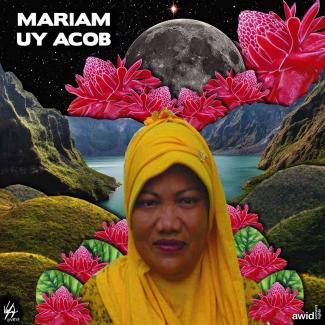
Mariam Uy Acob

Mariam era asistente jurídica en la Alianza Kawagib Moro por los Derechos Humanos.

Fue una acérrima crítica de la militarización de las comunidades moro, y denunció sistemáticamente los bombardeos aéreos y la concentración de campamentos militares. Tuvo que buscar refugio luego de exponer y denunciar las injusticias cometidas contra las comunidades musulmanas en Filipinas.

Se cree que fue asesinada por agentes militares sospechosos debido a su trabajo como defensora de derechos humanos. Los atacantes que mataron a Mariam la esperaron, se pusieron a la par del vehículo en el que se desplazaba y le dispararon siete veces.


Mariam Uy Acob, Philippines

¿Qué es AWID?

La Asociación para los Derechos de las Mujeres y el Desarrollo (AWID) es una organización internacional feminista de membresía.

Trabajamos para alcanzar la justicia de género y los derechos humanos de las mujeres mediante el fortalecimiento de la voz colectiva, el impacto y la influencia de las/os activistas, organizaciones y movimientos por los derechos de las mujeres de todo el mundo.

Más información sobre AWID

Как долго будет доступен опрос?

Опрос будет доступен до конца августа 2024 года. Пожалуйста, заполните его в течение этого срока, чтобы ваши ответы были включены в анализ.

40 Years of AWID: The Scrapbook | EN Snippet HOME

40 Years of AWID: The Scrapbook

In collaboration with artist Naadira Patel, we created a scrapbook that highlights a handful of snapshots from AWID’s last four decades of feminist movement support.

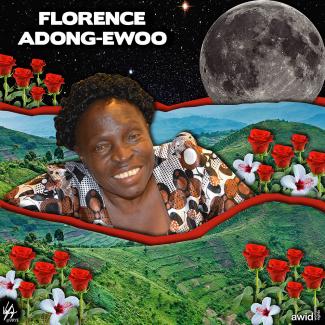
Florence Adong-Ewoo

Florence était une militante des droits des personnes handicapées qui travaillait avec plusieurs organisations de femmes handicapées en Ouganda.

Elle a également occupé le poste de présidente de l’Association des femmes handicapées du district de Lira, ainsi que du caucus des conseillères du district de Lira. Formée en tant que conseillère pour personnes handicapées et parents d'enfants handicapés, elle a soutenu de nombreux projets appelant à une plus grande représentation des personnes handicapées.

Elle est morte dans un accident de moto.


Florence Adong-Ewoo, Uganda

L’AWID est-elle une organisation féministe ?

Snippet - Home page promo WITM - EN

"Where is the money for feminist organizing?"

Building on our 20-year history of mobilizing more and better funding for feminist-led social change, AWID invites you to complete the new iteration of our flagship survey, WITM.

START THE SURVEY Learn more

Snippet Propuestas feministas para una economía justa ES

AWID, el Center for Women’s Global Leadership [CWGL, Centro por el Liderazgo Global de las Mujeres], y la African Women's Development and Communication Network [FEMNET, Red de Desarrollo y Comunicación de las Mujeres Africanas], presentan esta plataforma como aporte para cuestionar las nociones dominantes acerca del desarrollo y poner sobre la mesa propuestas iniciales para una agenda feminista para el desarrollo y la justicia económica y de género.

¿Cómo se originó este proyecto?


Las propuestas

Estas propuestas son exactamente eso: se ideas y experiencias a ser conversadas, debatidas, para que les sumemos elementos, las desmenucemos, las adaptemos, las adoptemos e incluso para que inspiren otras propuestas.

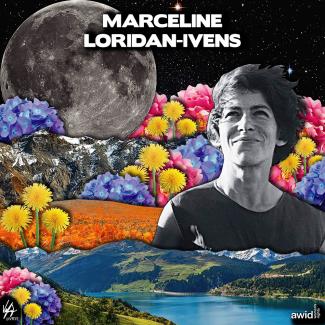
Marceline Loridan-Ivens

Born in 1928, Marceline worked as an actress, a screenwriter, and a director.

She directed The Birch-Tree Meadow in 2003, starring Anouk Aimee, as well as several other documentaries. She was also a holocaust survivor. She was just fifteen when she and her father were both arrested and sent to Nazi concentration camps. The three kilometres between her father in Auschwitz and herself in Birkenau were an insurmountable distance, which she writes about in one of her seminal novels “But You Did Not Come Back.”

In talking about her work, she once said: "All I can say is that everything I can write, everything I can unveil — it's my task to do it.”


Marceline Loridan-Ivens, France

Do you produce an annual report?

Yes, we do produce annual reports.

All our annual reports are accessible online.

See all annual reports from AWID

What Our Members Say - FR

Ce que disent nos membres

Snippet From the Heart of the Commune_Fest (FR)

Conte: Du coeur de la commune

par María Bonita 

mariabonita

regarder la narration (espagnol)

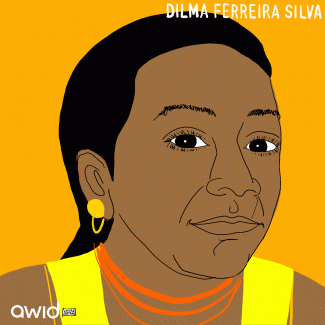
Dilma Ferreira Silva

Dilma Ferreira Silva was a leading Amazonian rights activist who fought for decades for the rights of people affected by dams.

She herself was among the 32,000 people displaced by the Tucuruí, a mega-hydroelectric power plant, built in Brazil during the 1964-1985 military dictatorship.

In 2005 Dilma was invited to join the Movement of Dam-Affected Peoples in Brazil (MAB), and in 2006 she formed the women’s collective, eventually becoming regional coordinator of the movement.

In speaking about her activism, her colleagues commented:

“She stood out very fast because she was always very fearless in the struggle.” 

Dilma lived in the rural settlement of Salvador Allende,50 kilometers from Tucuruí, and dedicated her life to better protect communities and the land affected by the construction of mega projects. She was especially concerned with the gendered impacts of such projects and advocated for women’s rights.

At a national MAB meeting in 2011, Dilma spoke to women affected by the dams, saying:

“We are the real Marias, warriors, fighters who are there, facing the challenge of daily struggle”.

In the following years, Dilma organized grassroots MAD groups and worked with the community to form farming cooperatives that created a better distribution of food for the community. They improved the commercialization of fishing, and developed a cistern project for safe drinking water. She was also an advocate for farmers whose lands were being coveted by ‘grileiros’ (land grabbers). 

On 22nd March 2019, at the age of 48, Dilma, her husband and their friend were all brutally murdered. The three killings came as part of a wave of violence in the Amazon against the Movimento dos Trabalhadores Sem Terra (translates as ‘landless workers’ movement’), environmental and indigenous activists.